I don’t usually do this but I decided to try tracing from my reference today. I think it turned out ok but I’m not sure how I feel about it. Is tracing cheating?
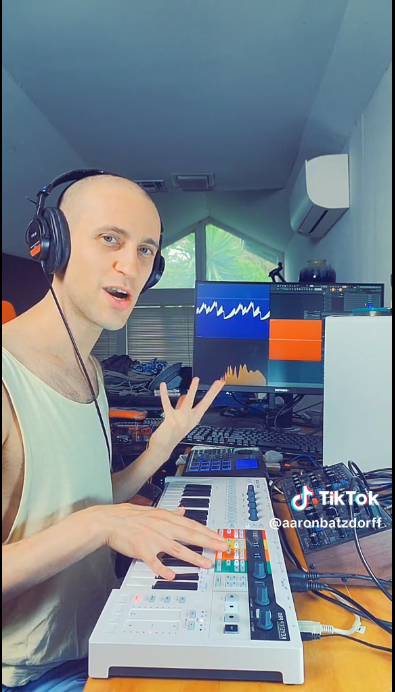
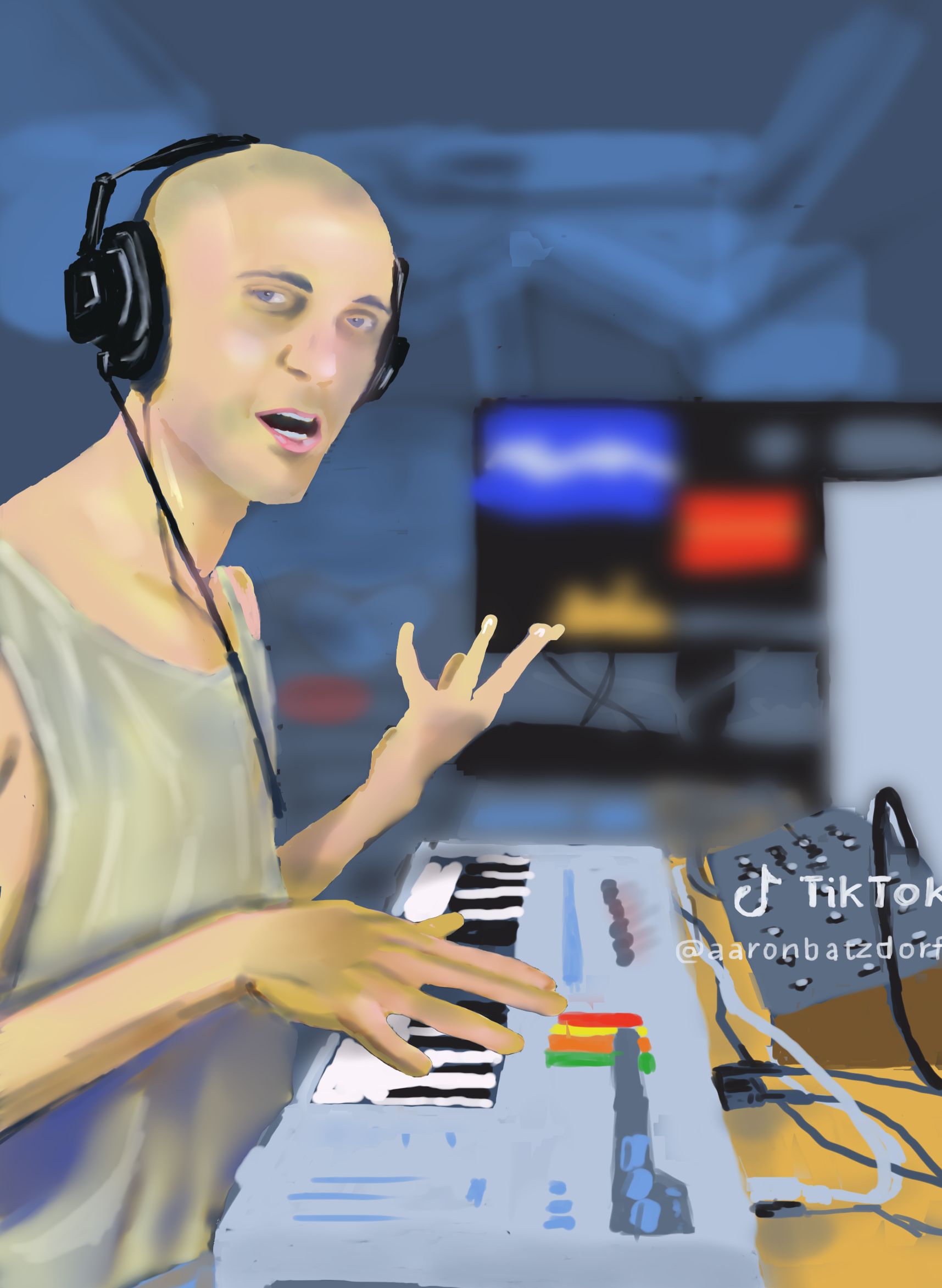
I think tracing is a valid learning method. I’ve used it to teach myself to find large shapes within an image. We do have to be careful about posting work that was traced from an image that belongs to someone else, though. Stick to your own reference images (or those that are offer a copyright-free licence) and you’ll be safe.
7 Likes
Tracing can also be a huge help when you’ve drawn things freehand and can’t figure out why things don’t line up.
Of course, even when you’ve done 100% tracing, you still have to fill it all in, noticing the color ranges and appropriate blending.
4 Likes
It’s a weird one this because it is SO easy to trace with digital art it does feel a bit like cheating. But when you consider other mediums, and how it’s called ‘transferring’ the lines/composition, that often isn’t regarded as cheating.
For example - doing portraits or drawing/painting of a house or specific item from a provided photo. You’d want the proportions to be as close as possible and so using a backlight, or rubbing soft pastel on the back and going over the lines would probably be seen as quite acceptable to get the outlines, and then fill it in by eye with your medium.
There’s even YouTube videos on how best to transfer your lines to the paper or canvas. And I don’t think many people would have an issue and object that it was ‘traced’. Maybe because it’s still kinda fiddly to transfer the outlines using traditional methods.
But being able to put your reference photo directly under a new layer, and even zooming in to be super precise, is sometimes viewed as cheating. Like I said, maybe because it’s just so easy to do.
I’ll hold my hands up and say I sometimes trace outlines of things. You can spend hours trial and error trying to get a specific proportion just so, or you can utilize the convenience of digital art! You still need to use your skills to fill in the lines how you want to.
If we go down that route then you can argue that all of digital art is cheating - shading with the multiply layer, adding blur, adjusting colour values, using stamps of leaves and grass etc.
As Sooz says, as long as you’re not tracing someone else’s art work and claiming it as your own, I see no issues at all with the convenience of tracing.
7 Likes
Agreed, if it’s a photo that you own, I would treat it as a part of the process. If it’s someone else’s then it could be viewed as plagiarism or a copyright violation.
To me, tracing can be good or bad depending on what purpose it serves. Not sure if others find these points compelling:
-
If tracing is the means to accelerate the process or produce a more accurate painting, for example when the painting has to follow a specific design, or go together with other artist’s work (as in an animation or a game maybe), then I think it’s valid.
-
However, if the art piece is painted just for the sake of creating art, then I don’t really recommend tracing. I see these problems with that:
- traced lines will not be as natural and flowing as freehand lines from an observed reference
- tracing doesn’t work as a practice; you won’t be able to draw the same thing next time. At best, you will train your line quality and accuracy, which comes with mileage anyway.
-
And the point that Sooz made, tracing to break down and analyze the reference. I do that too, because sometimes it’s difficult to understand how the object is constructed and your eyes usually work against you (that’s why it’s so difficult to accurately copy without careful measurement, using a grid, etc.).
Naturally, these are not universal truths, just my take on the matter 
2 Likes
I think tracing is useful both as a learning tool and for producing art. One of the important things when it comes to tracing is to not trace details. Trace the flow and construct forms over the reference, this way the tracing becomes a guide to establish relationships between lines for you.
One practice i do with tracing is i draw as best as i can by eyeballing the reference first, then i will draw another one by tracing the flow of the reference. I compare how far off was i with the eyeballed one with the tracing and i draw another one again by eyeballing taking into account what i learned from the tracing.

As for producing art, there was one time where i was paid to trace over photos of clients’ faces, collaging their faces together for a fantasy themed family portrait illustration. It was still alot of work to do.
6 Likes
Good Discussion. I don’t draw freehand well at all, but for me that’s only the beginning, it’s getting the colors, shading, textures right that matter in the work I do.
5 Likes
@Lucifer Please place nude studies behind a details tag so users have to click to see it. I did this one for you.
2 Likes
My bad, i thought as the picture had no nipples or genitals it was ok. Sorry for the trouble.
3 Likes
There are many tools available to help artists get what they are trying to achieve faster and more accurately. I think tracing is just another valuable time-saving tool… especially for artists on a deadline. Really, it’s no different from using a grid, except it’s less time consuming. I agree, however, that permission should be obtained before tracing someone else’s work or photo, and in the case of deceased artists’ works, we should give credit to the original artist. If your goal is to learn anatomy and proportion for freehand work, then tracing should be kept at a minimum and just used for comparison. jmo
5 Likes