also is there anything else

off or bad about this artwork?
Hello! Thank you for sharing your artwork — I can see you’ve put real effort into it.
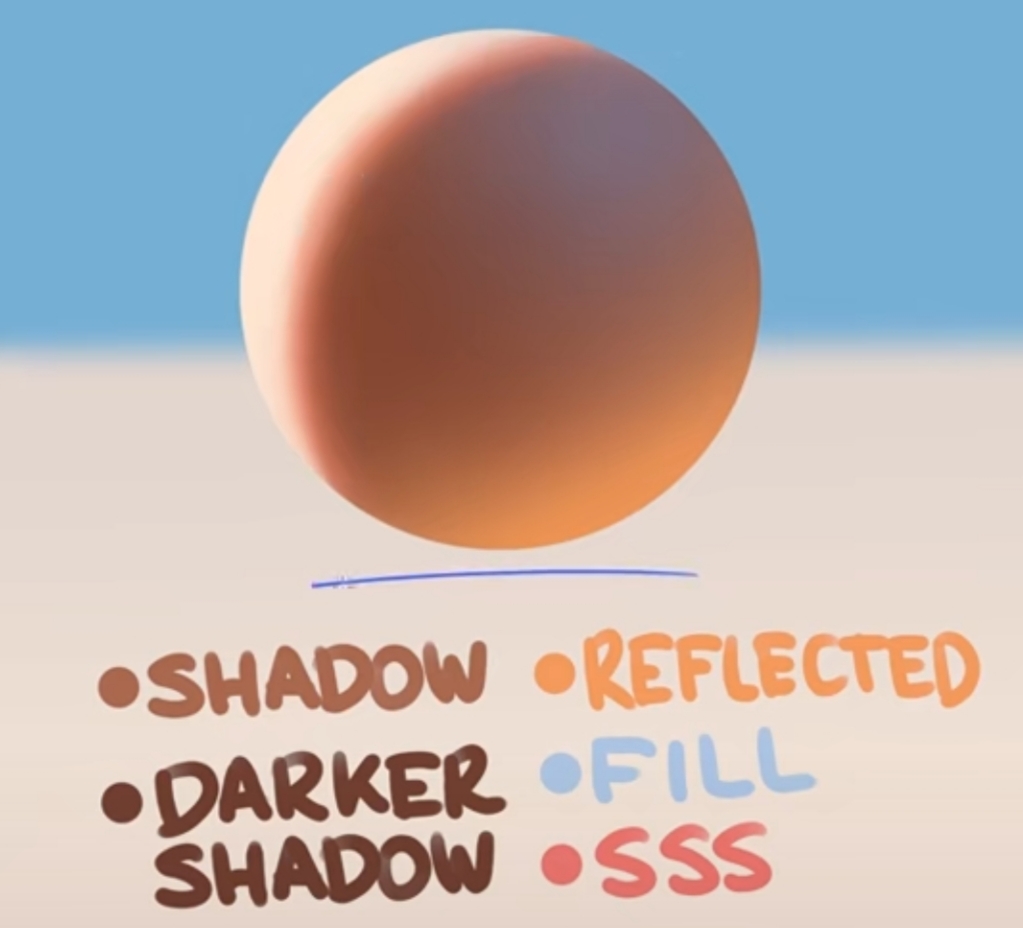
First, let’s talk about lighting. It’s important to identify the type of light source you’re working with (e.g., warm or cool) and where it’s coming from. For more natural and dynamic results, I highly recommend using complementary temperature relationships: if your key light is warm, try making your shadows cooler — and vice versa. This contrast adds depth and realism. You might find it helpful to research “warm vs. cool lighting in art” or study classic examples from artists like Caravaggio or Rembrandt.
To build confidence and understanding, I’d suggest practicing on simple geometric forms first — cubes, spheres, cylinders. These help you grasp how light interacts with volume before moving on to complex subjects like the human figure.
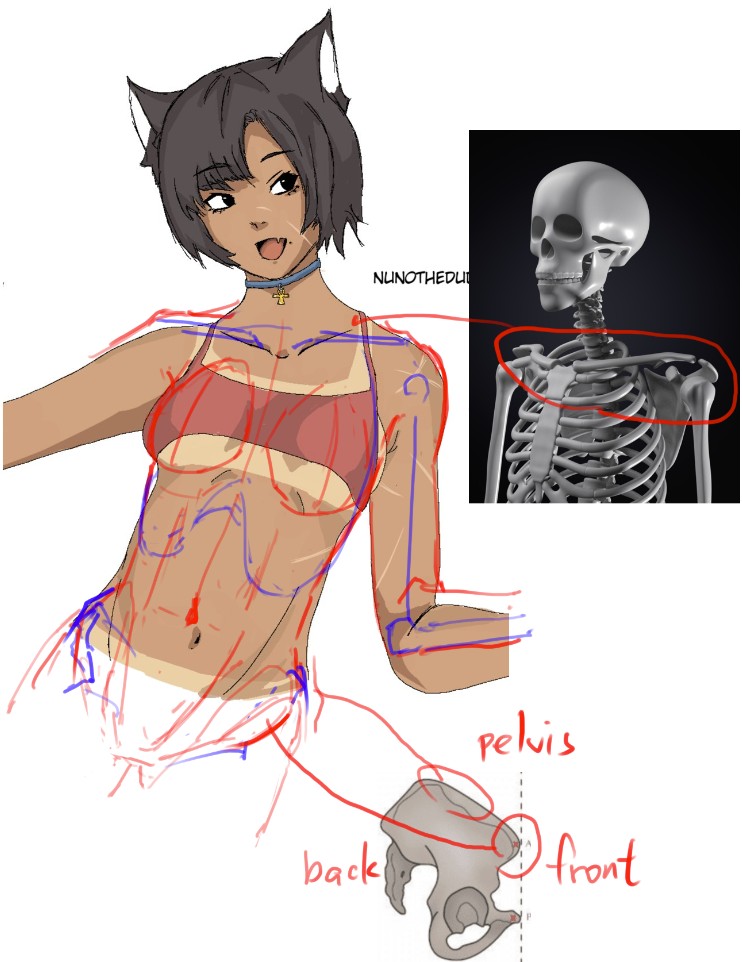
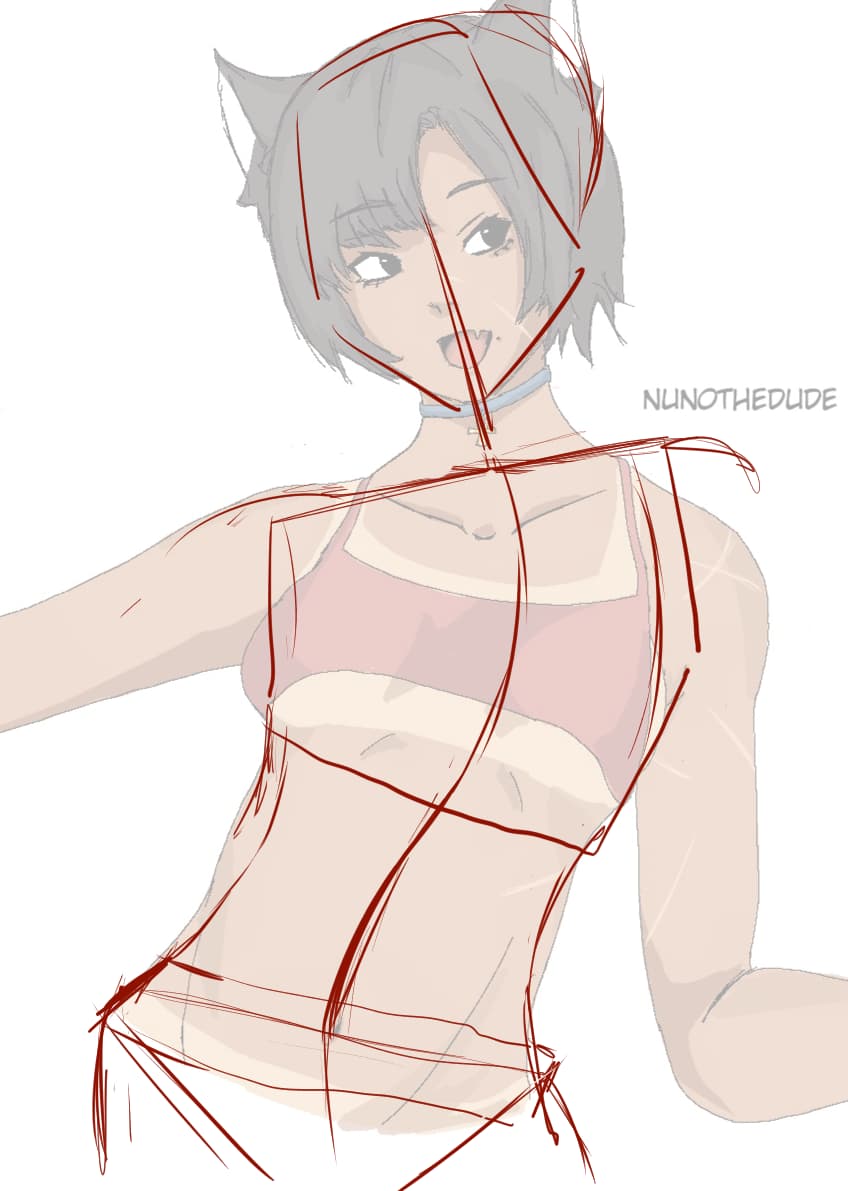
Regarding anatomy — overall, your drawing shows a good sense of structure, but it does feel a bit flat. The most noticeable issue is in the shoulder area: the form appears disconnected or sagging, as if the underlying bone and muscle structure isn’t fully understood. I’d encourage you to revisit the anatomy of the clavicle, scapula, and deltoid — how they connect and overlap. A great way to learn this is by studying traditional anatomy books from classical artists like George Bridgman, Andrew Loomis, or Burne Hogarth. You can easily find free PDFs online by searching terms like “Bridgman anatomy pdf” or “Loomis figure drawing book.”
Keep going — your foundation is solid, and with focused practice on form, lighting, and anatomy, your work will improve dramatically. Feel free to share another version when you’ve had a chance to refine it!
thanks, yeah art is so hard, i struggled with the anatomy allot
thats great how do u know all this, its so hard man
I would argue with you.
It is necessary to consider not only the bones and proportions, but also the curve of the figure itself, if I were to draw in a similar pose.
Your analysis impressed me. 
You can have that pose, although it’s unusual, but the anatomy diagram as decribed by Lesqwe56 is the way forward. Check out publications by Anrdrew Loomis and Jack Hamm, etc for accessible easy-to-follow instructions on how to draw anything/everything, as stated in other replies.