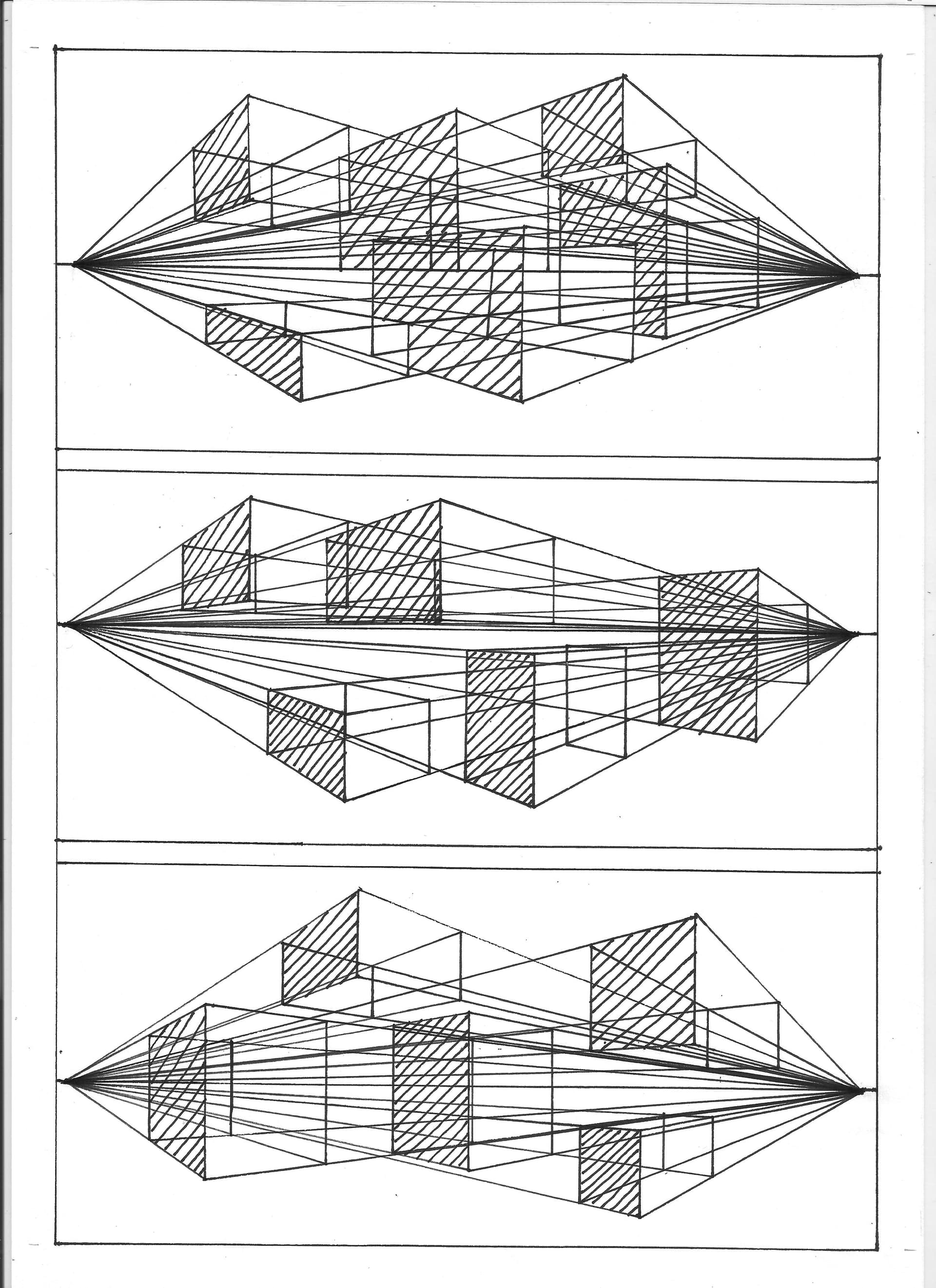
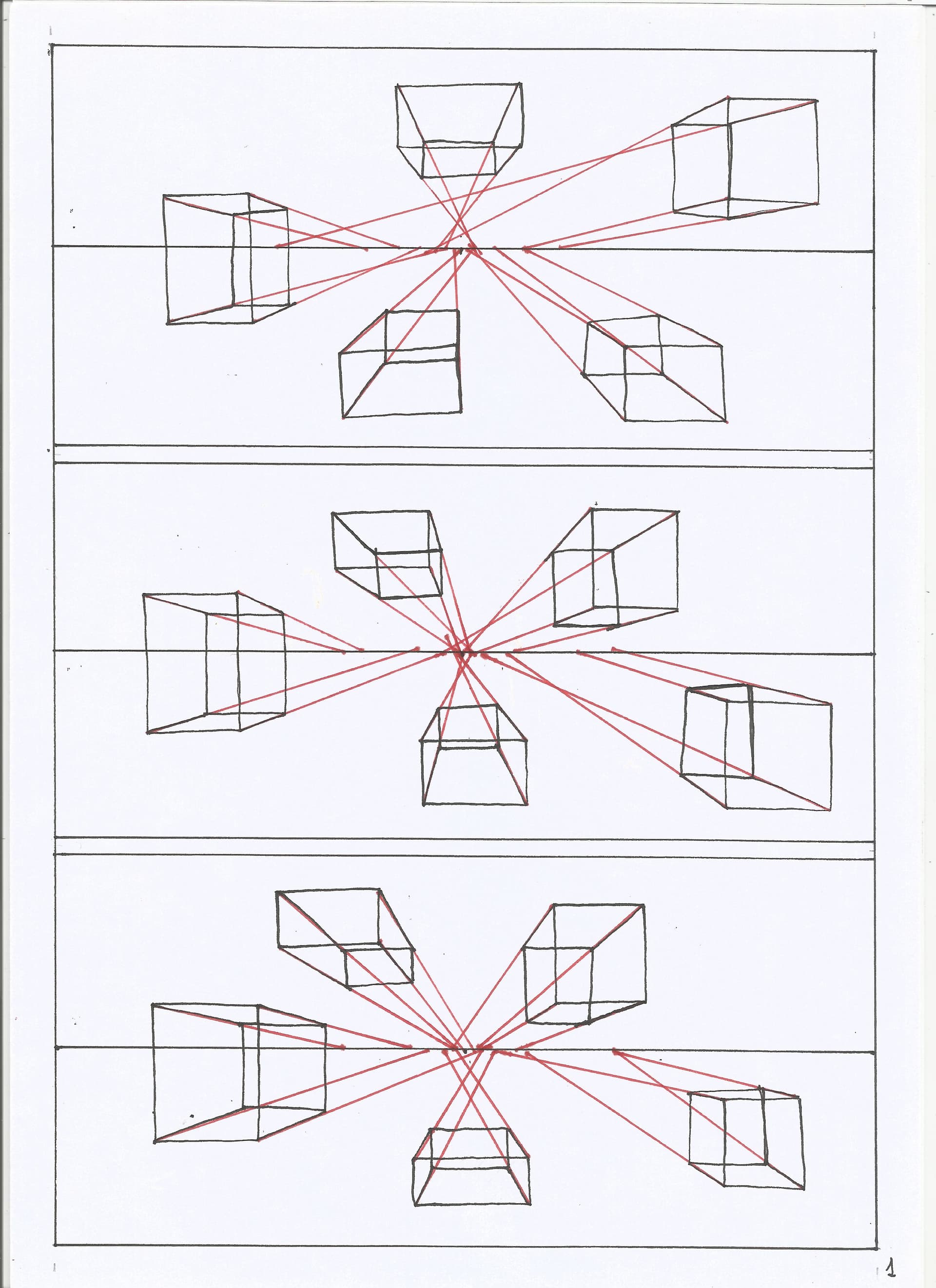
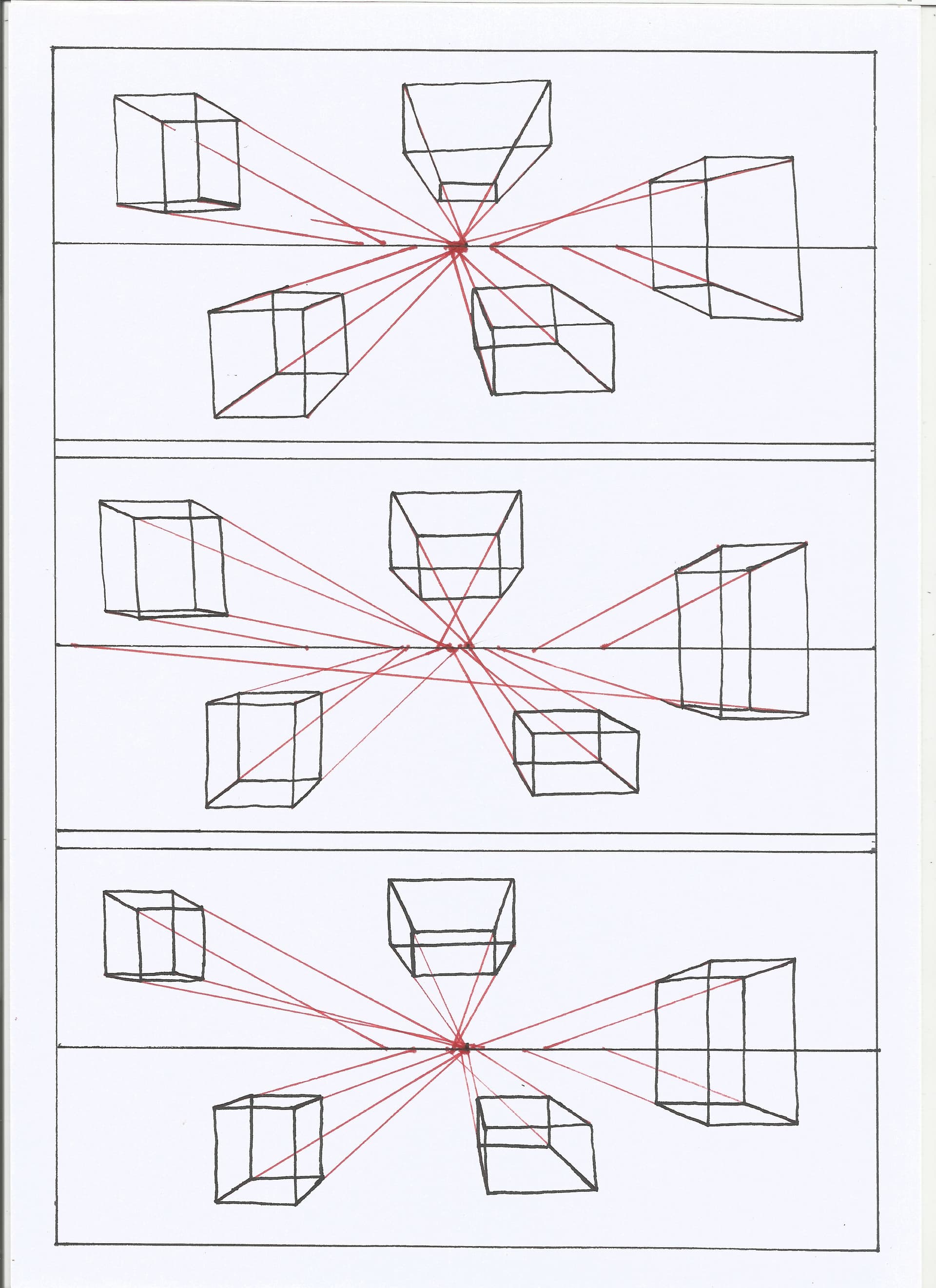
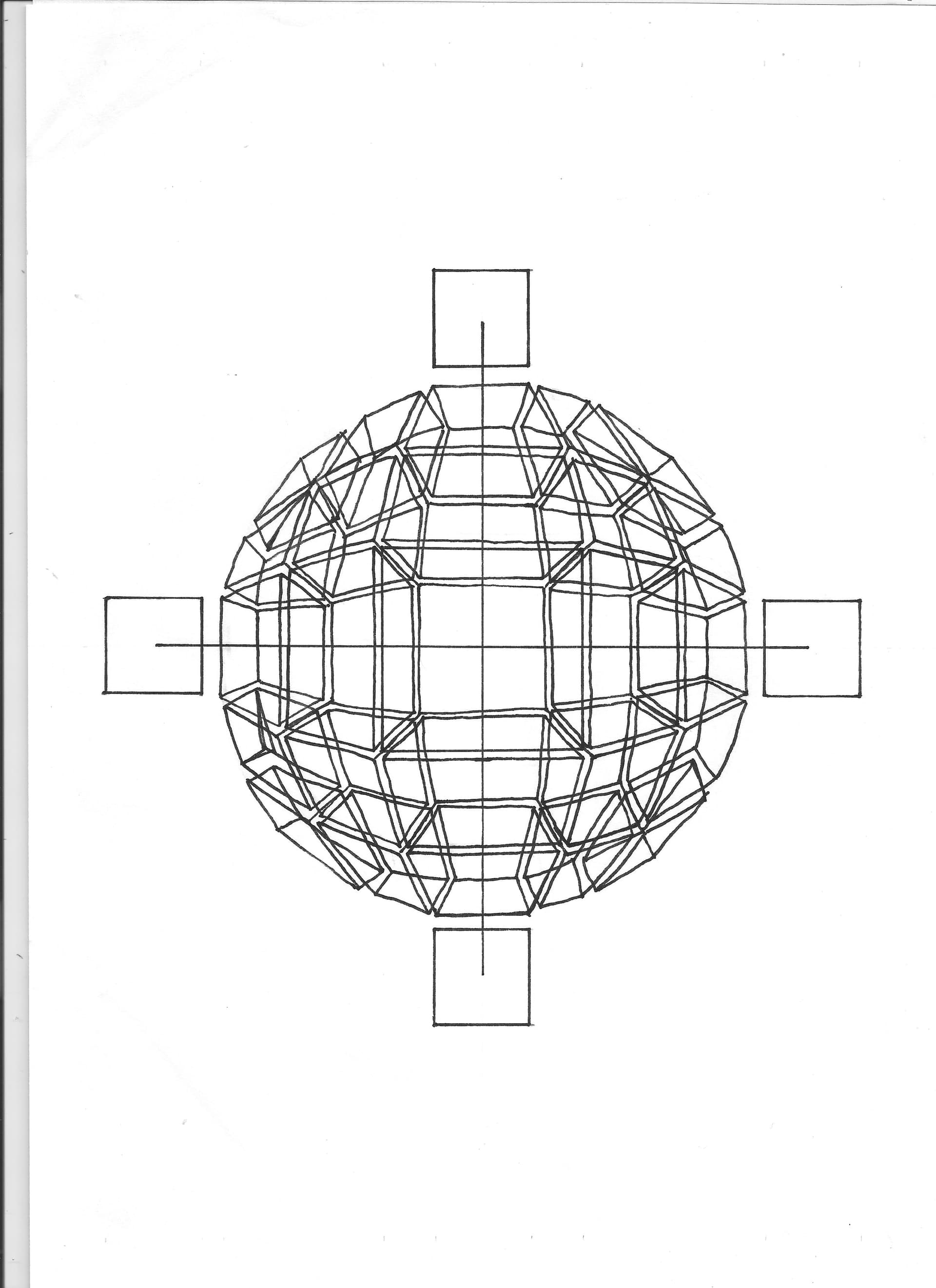
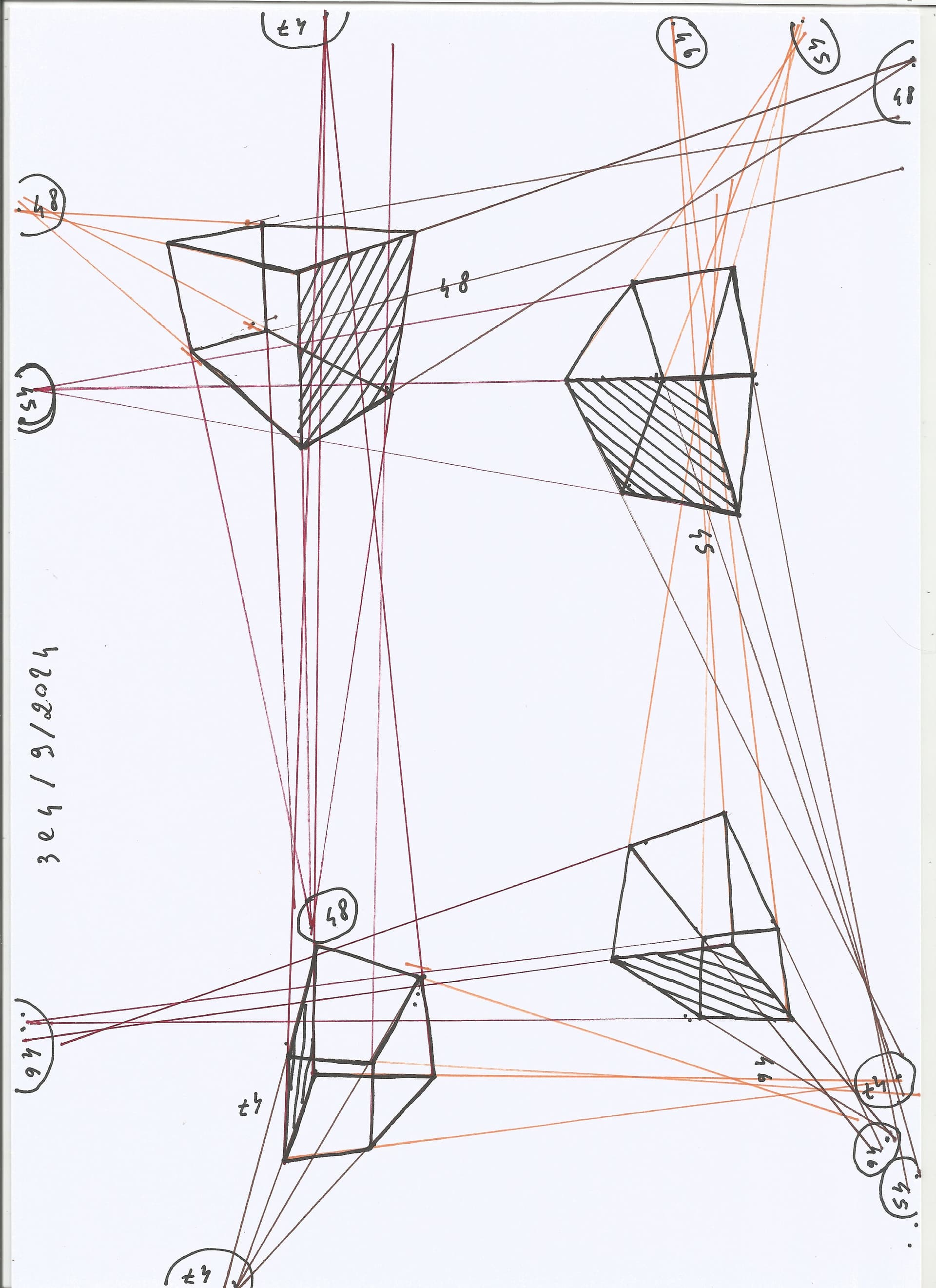
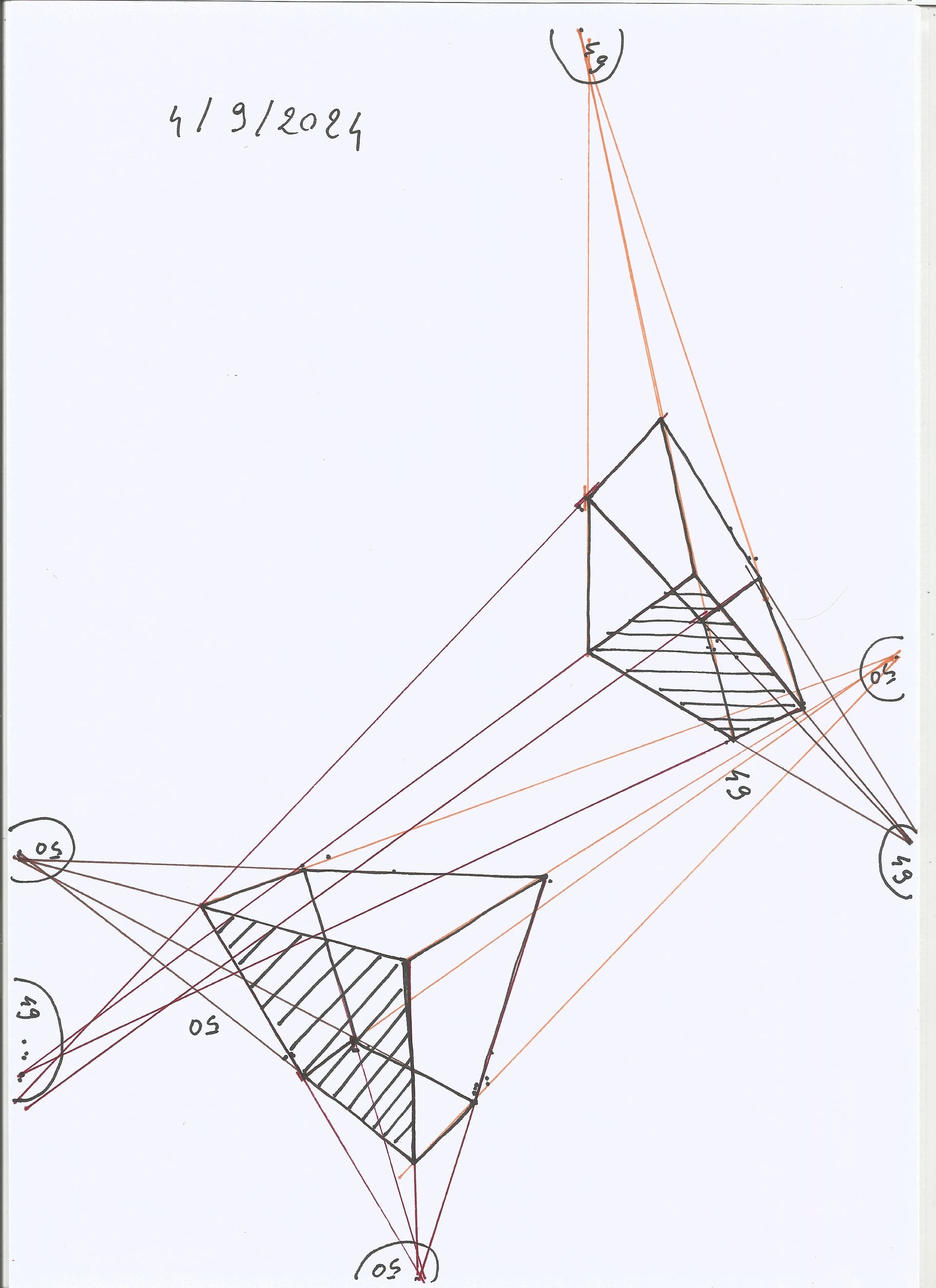
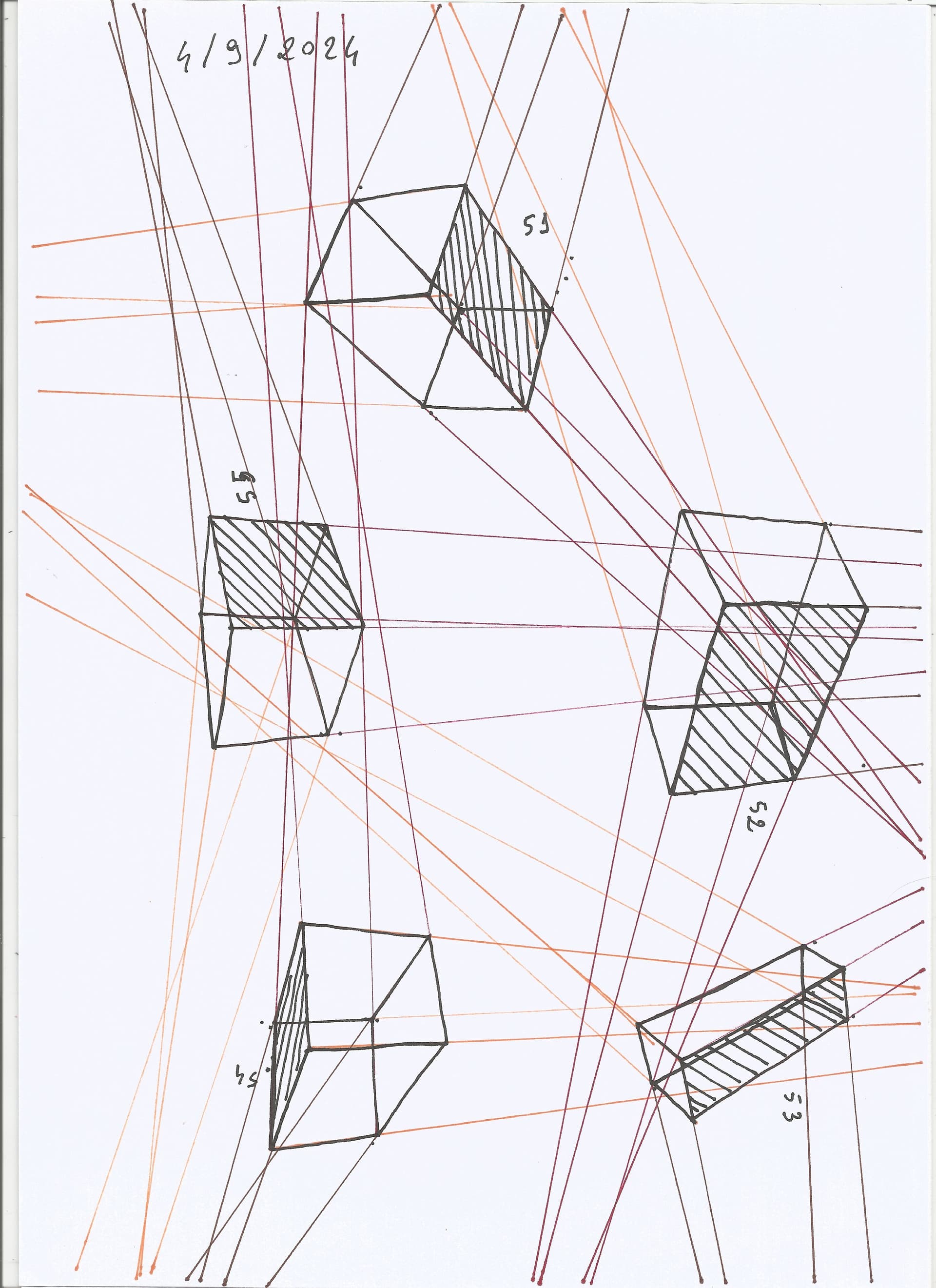
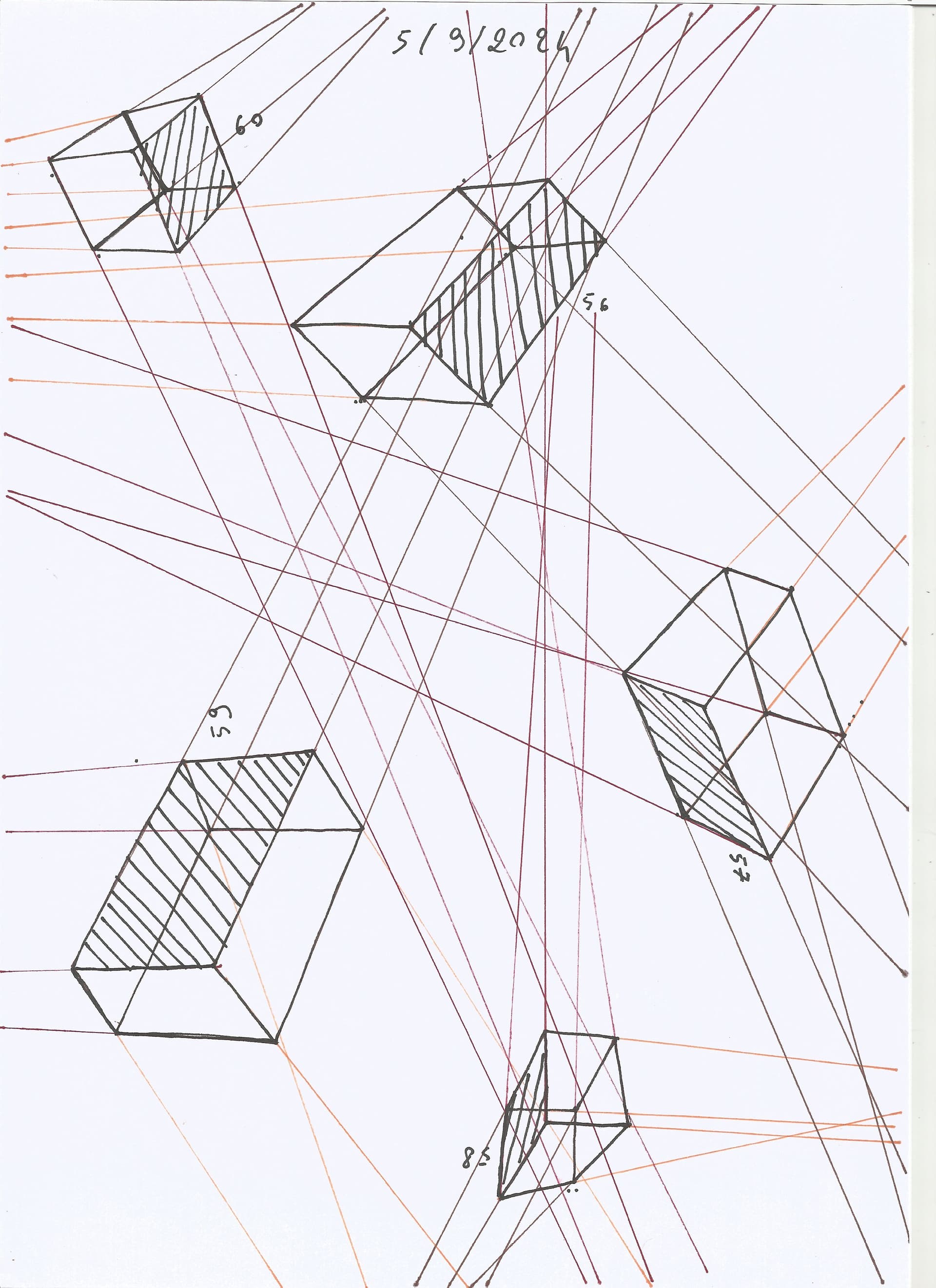
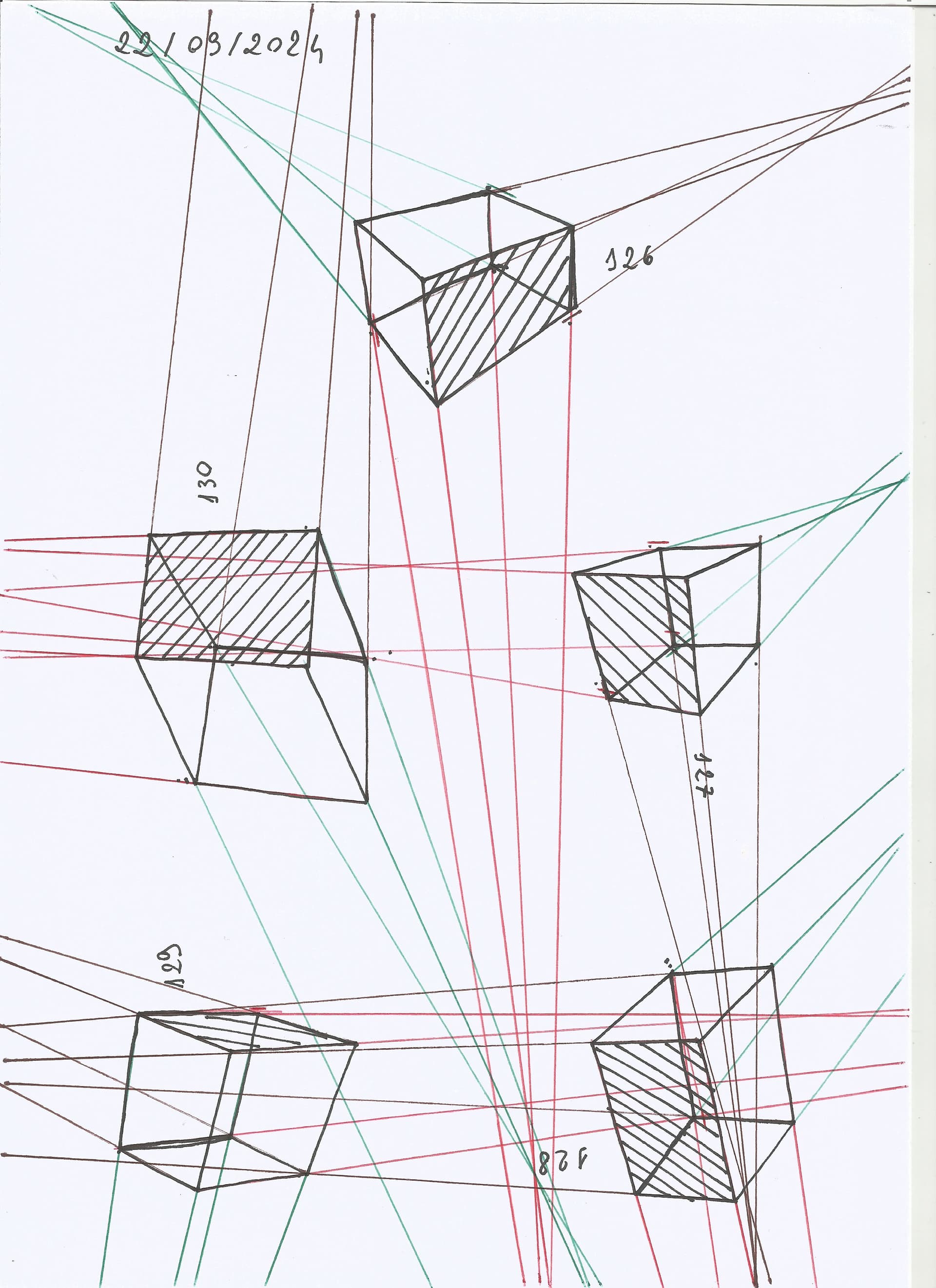
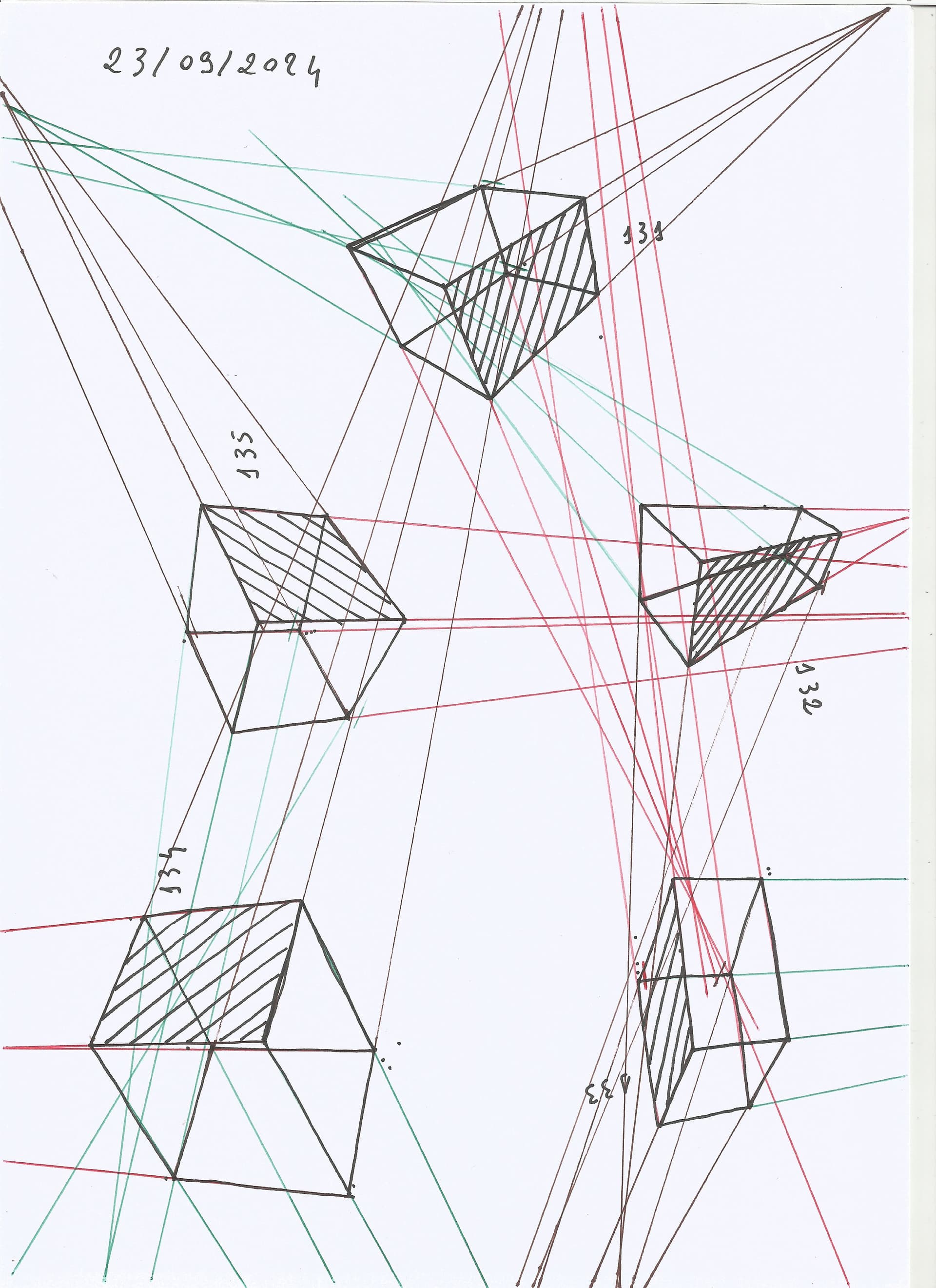
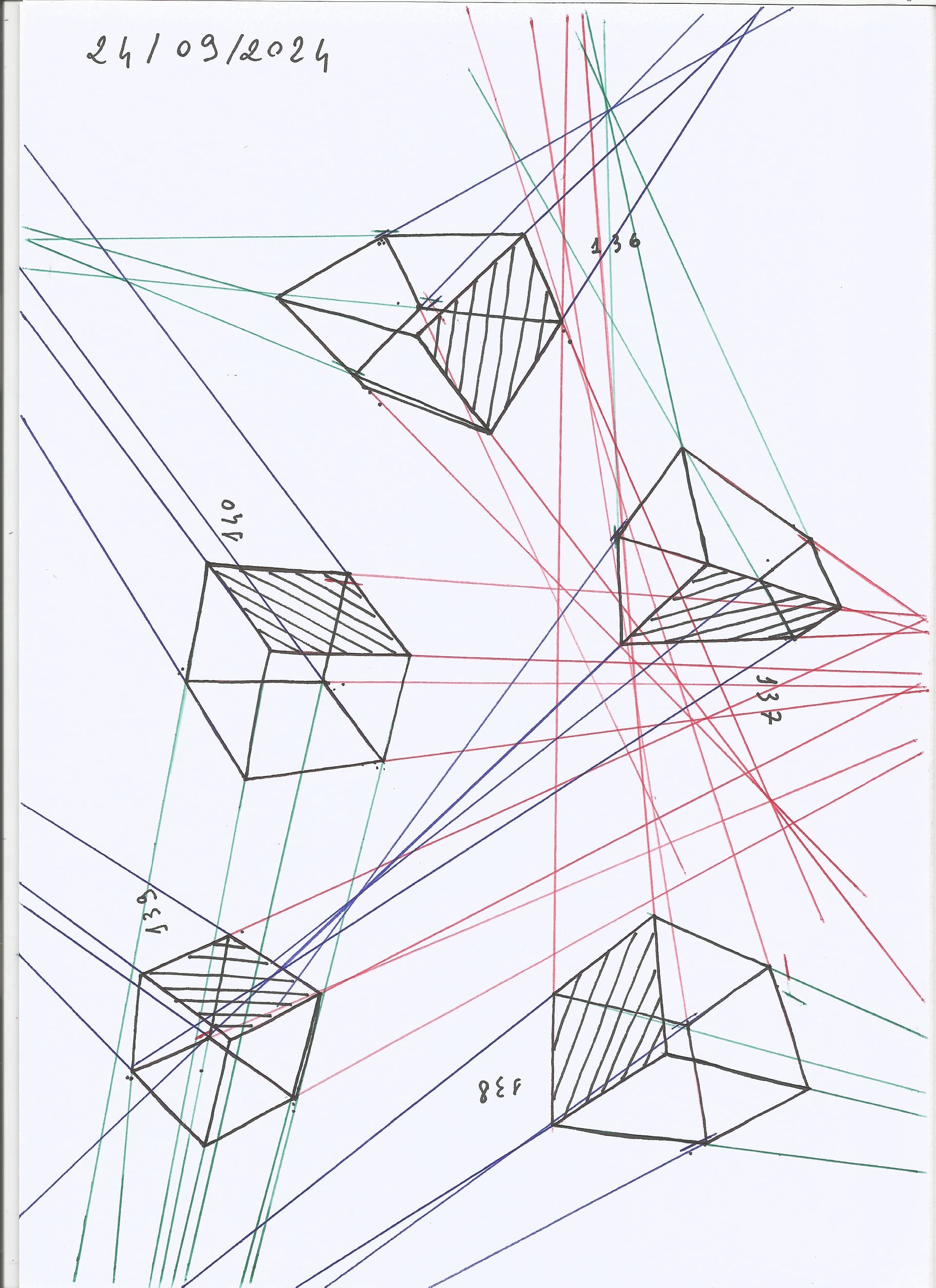
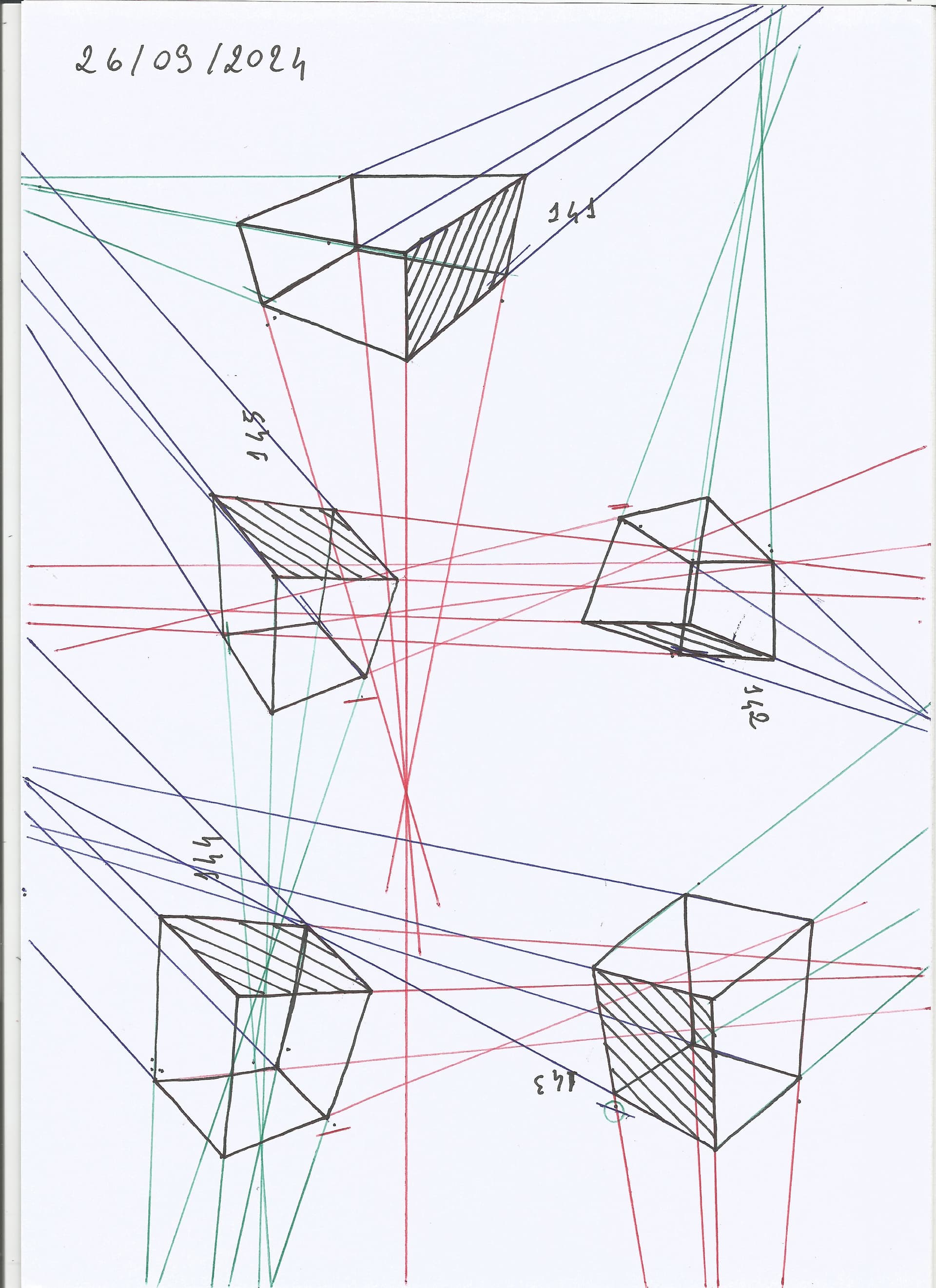
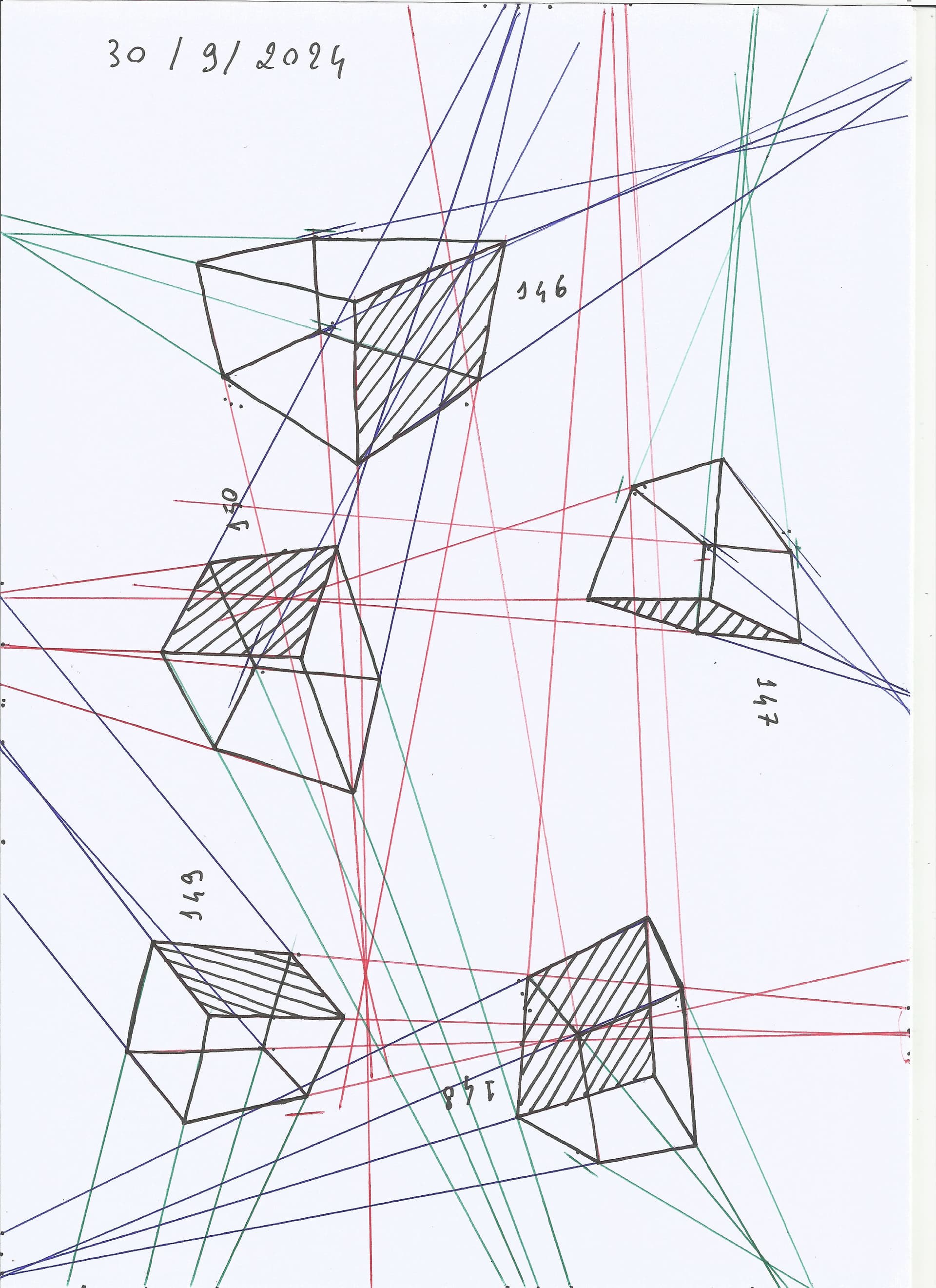
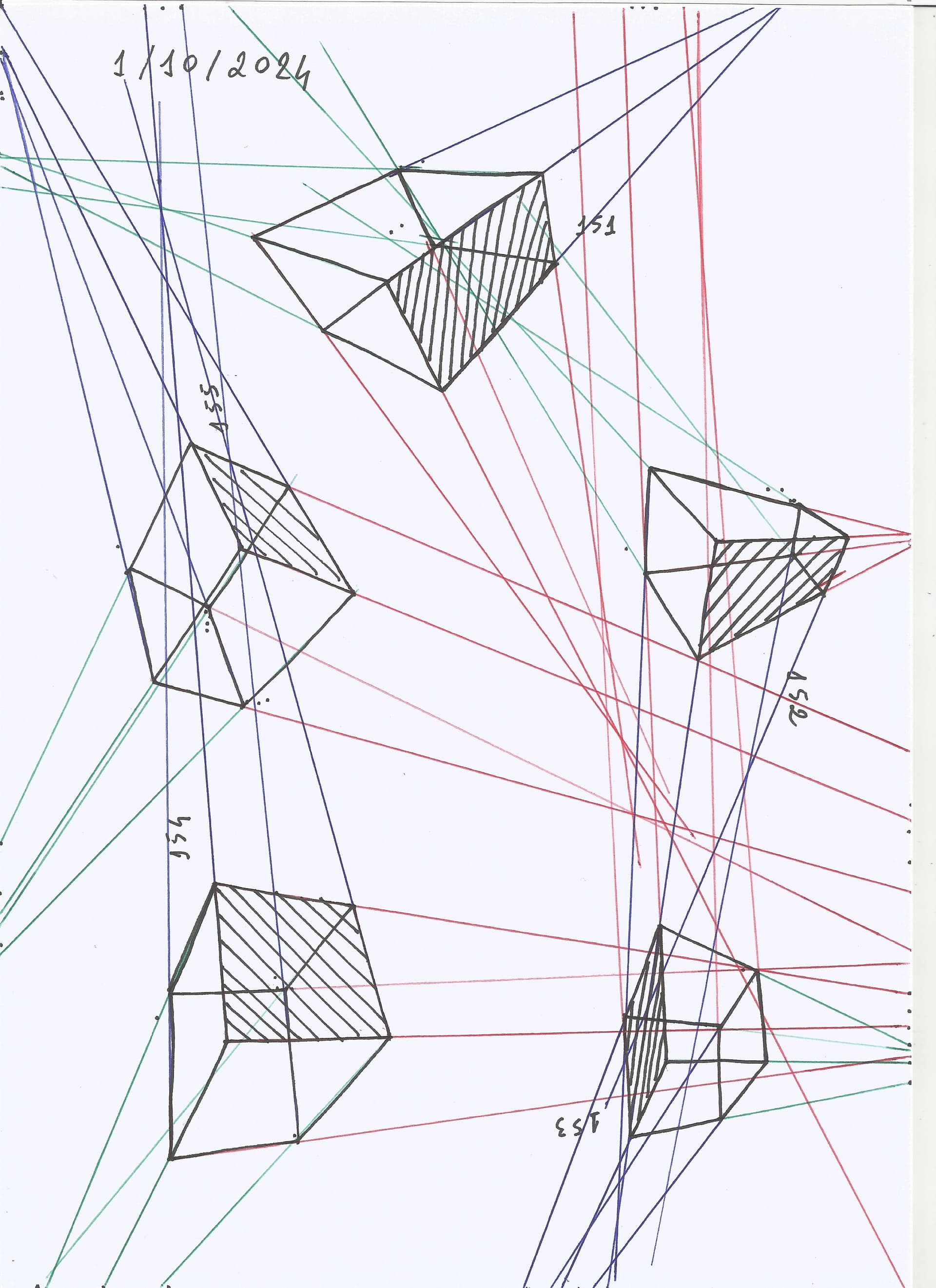
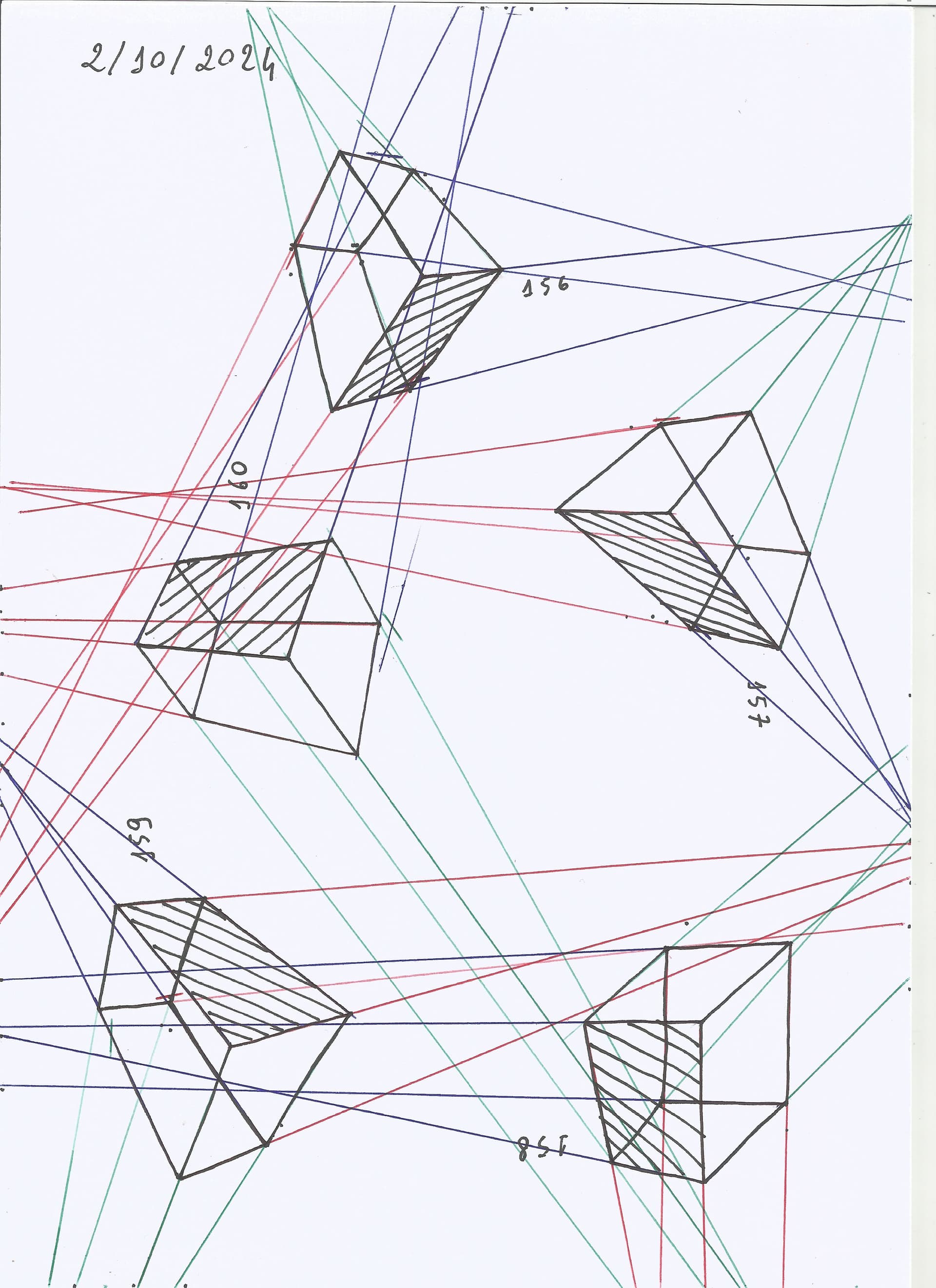
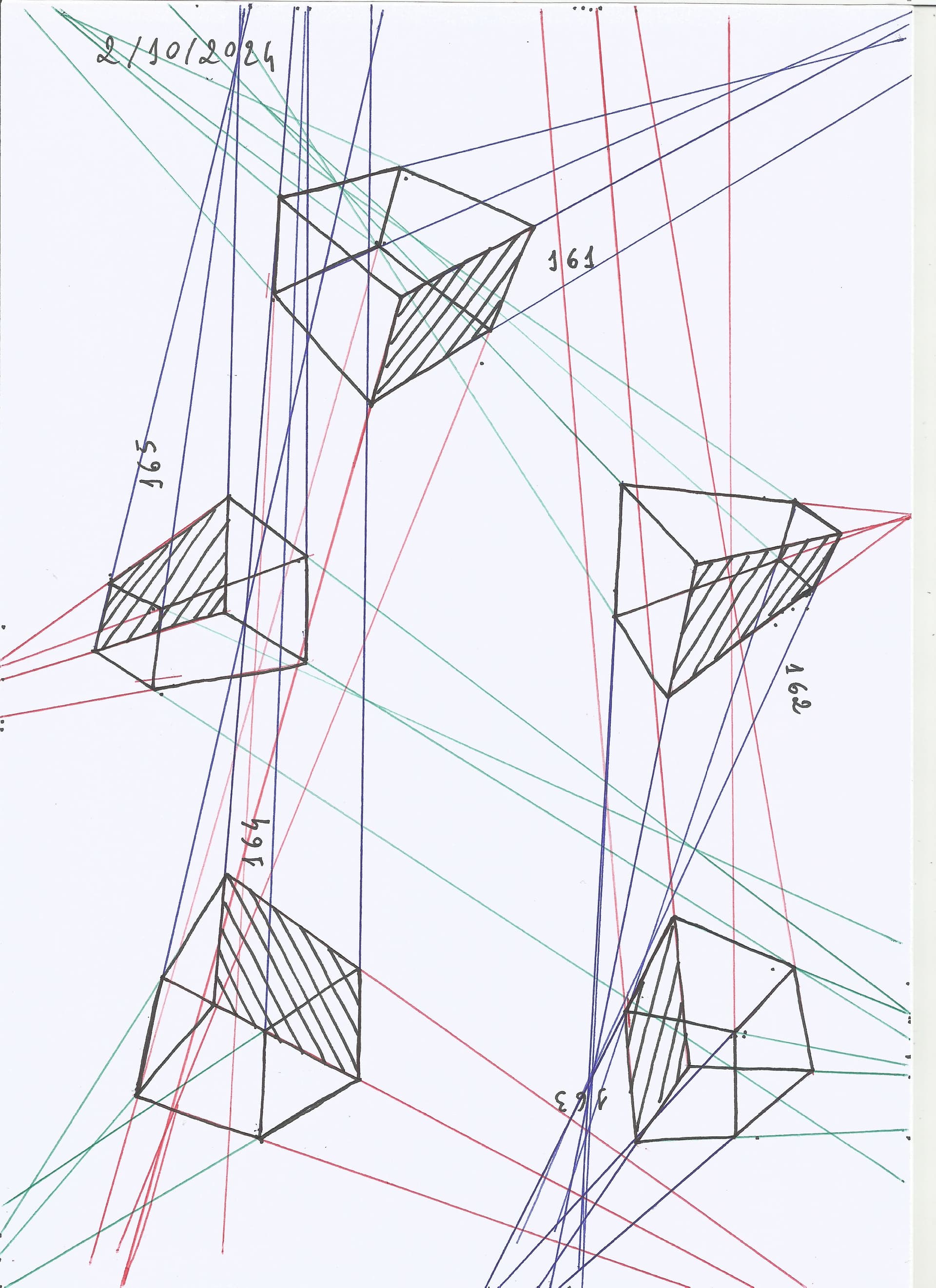
Hi, I am trying The Drawabox method to emprove drawing from imagination.
Here is what I have done so far:
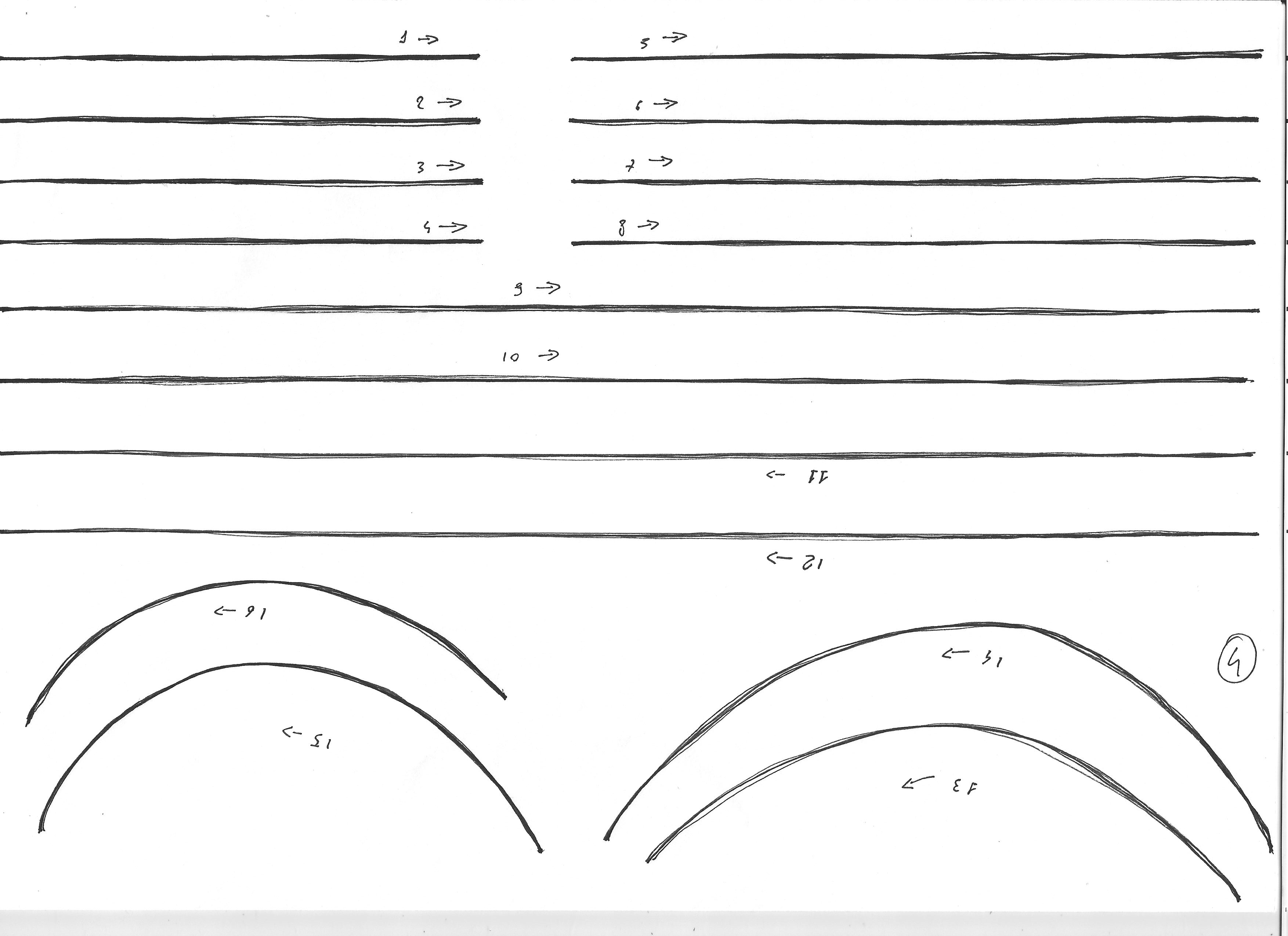
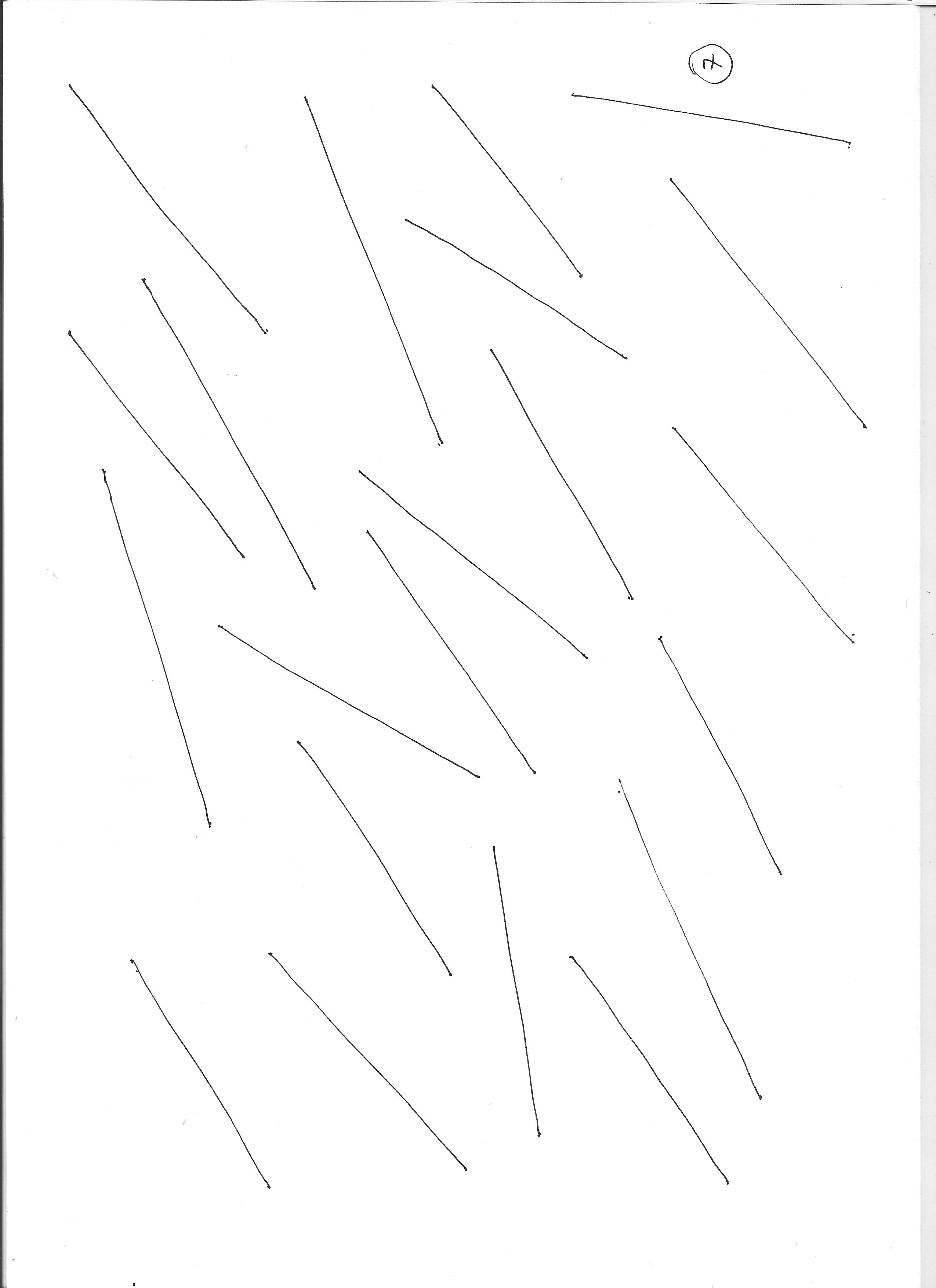
Superimposed lines:
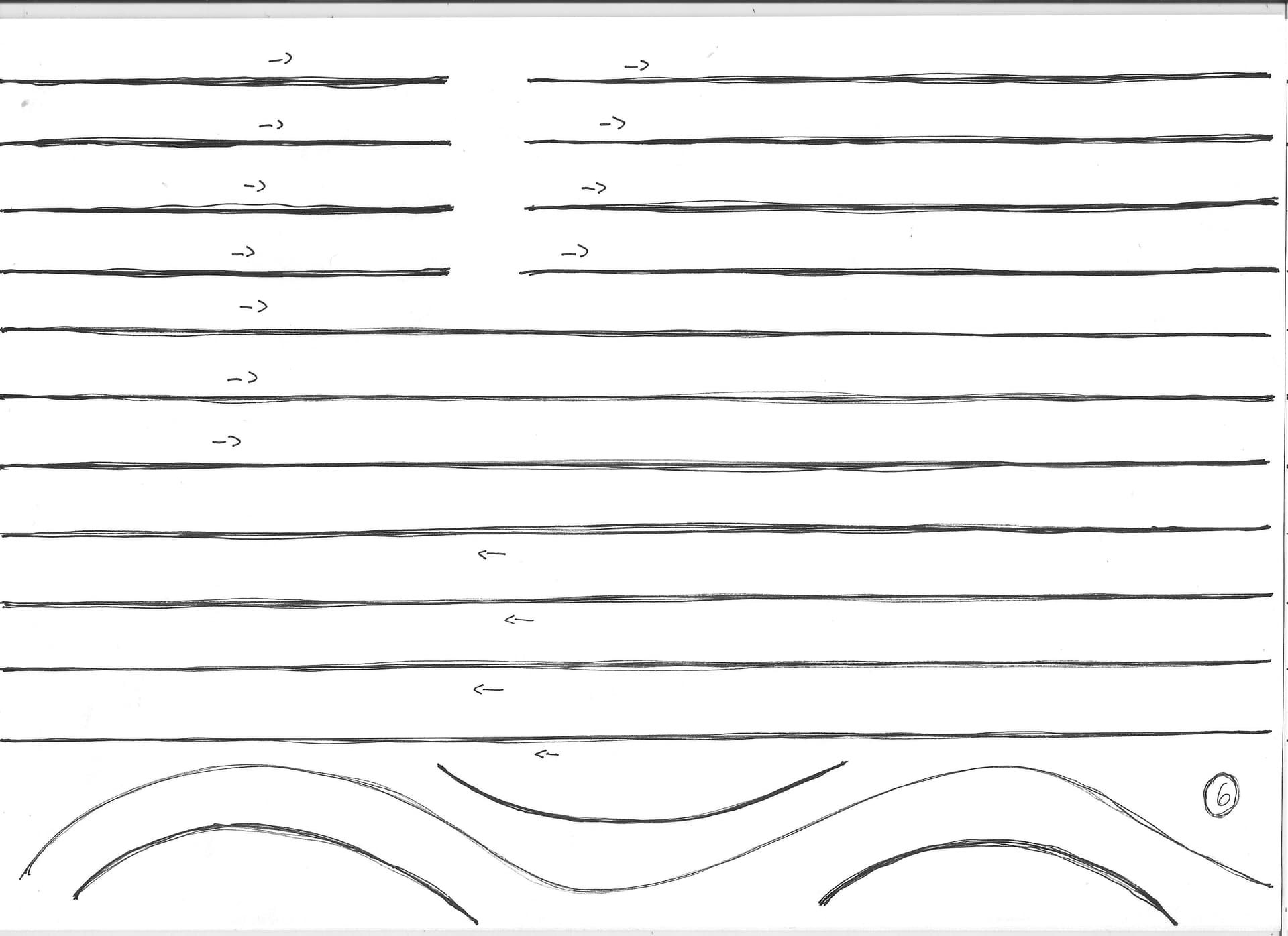
Ghosted lines:
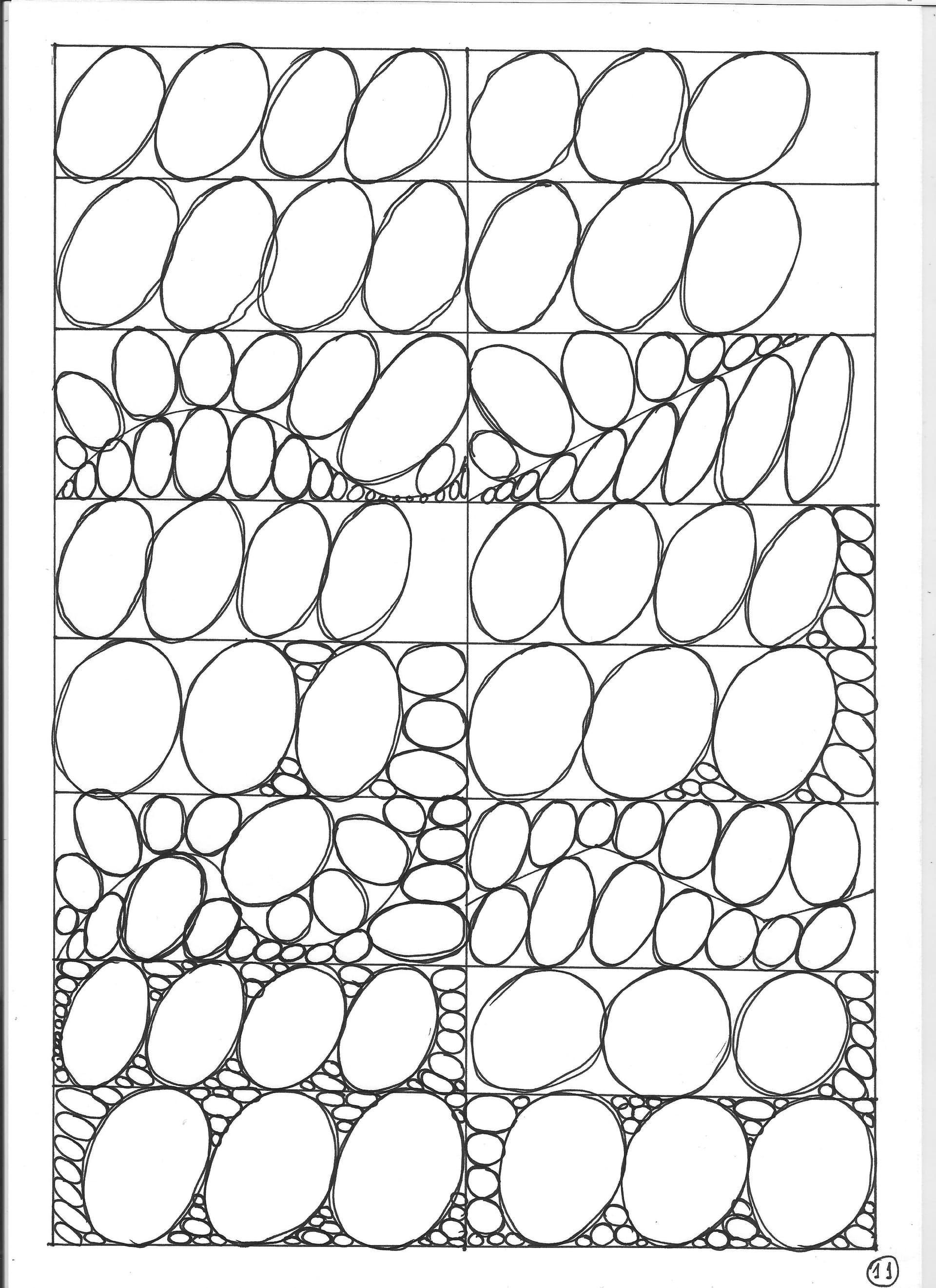
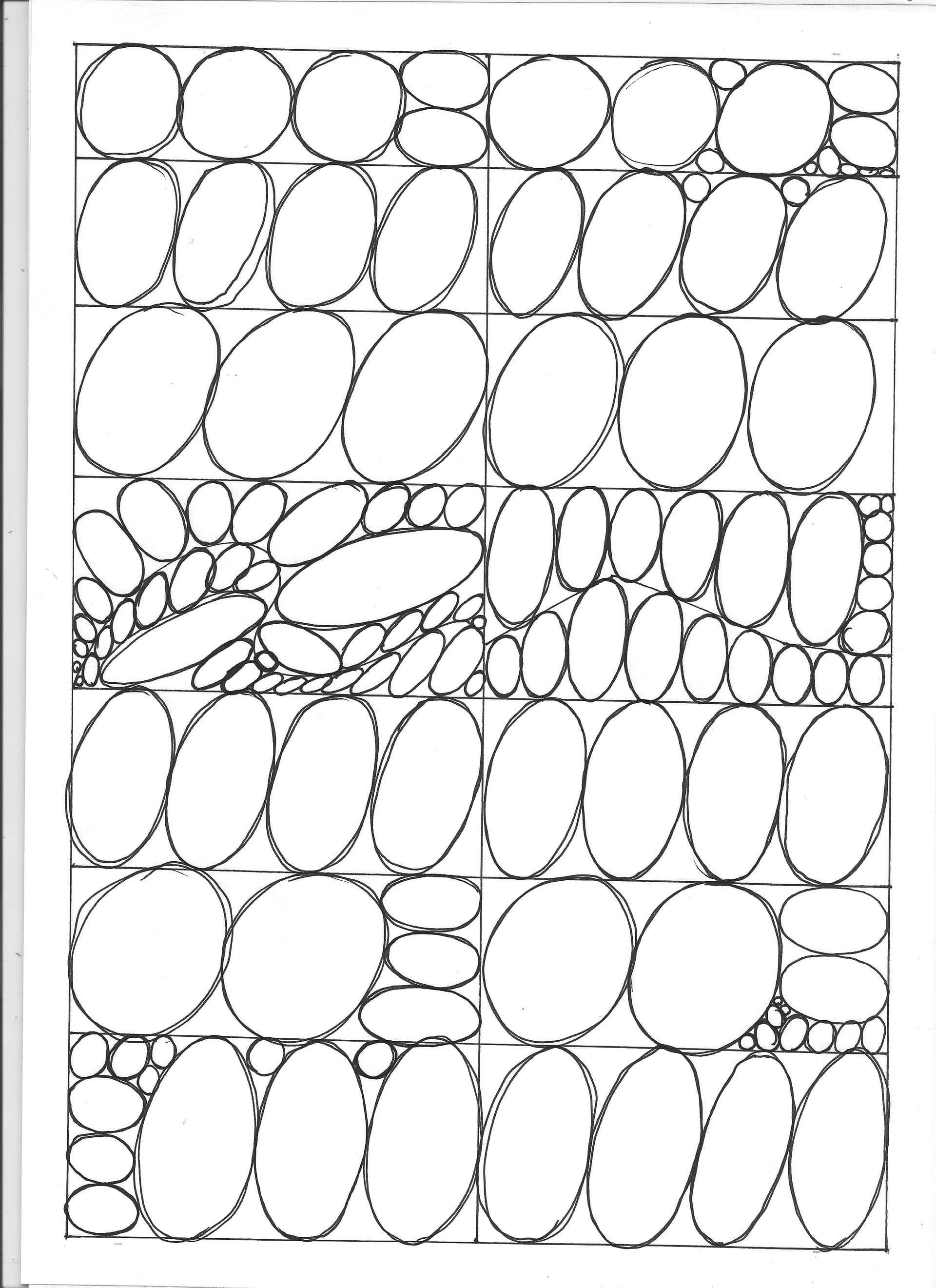
Table of ellipses:
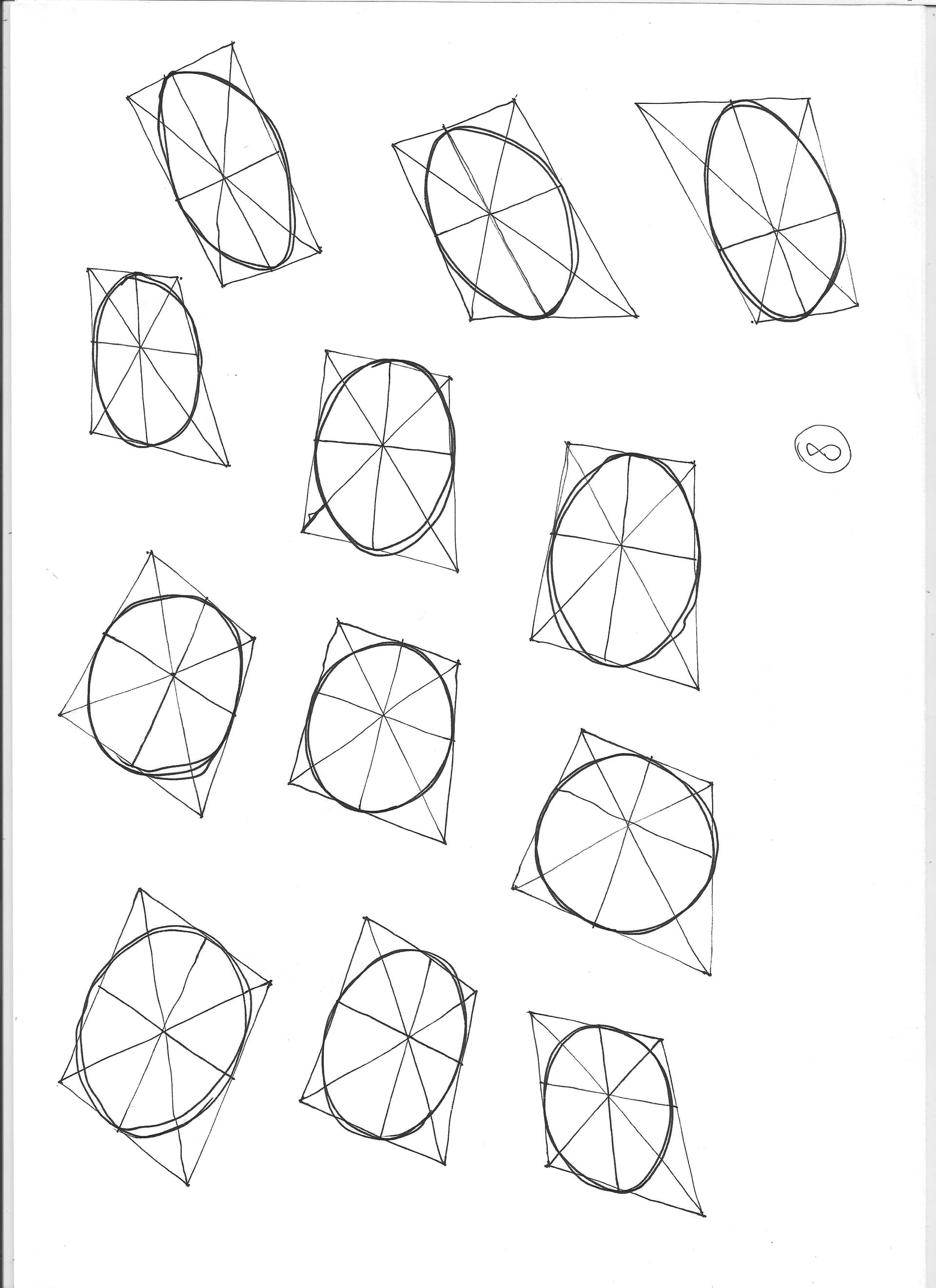
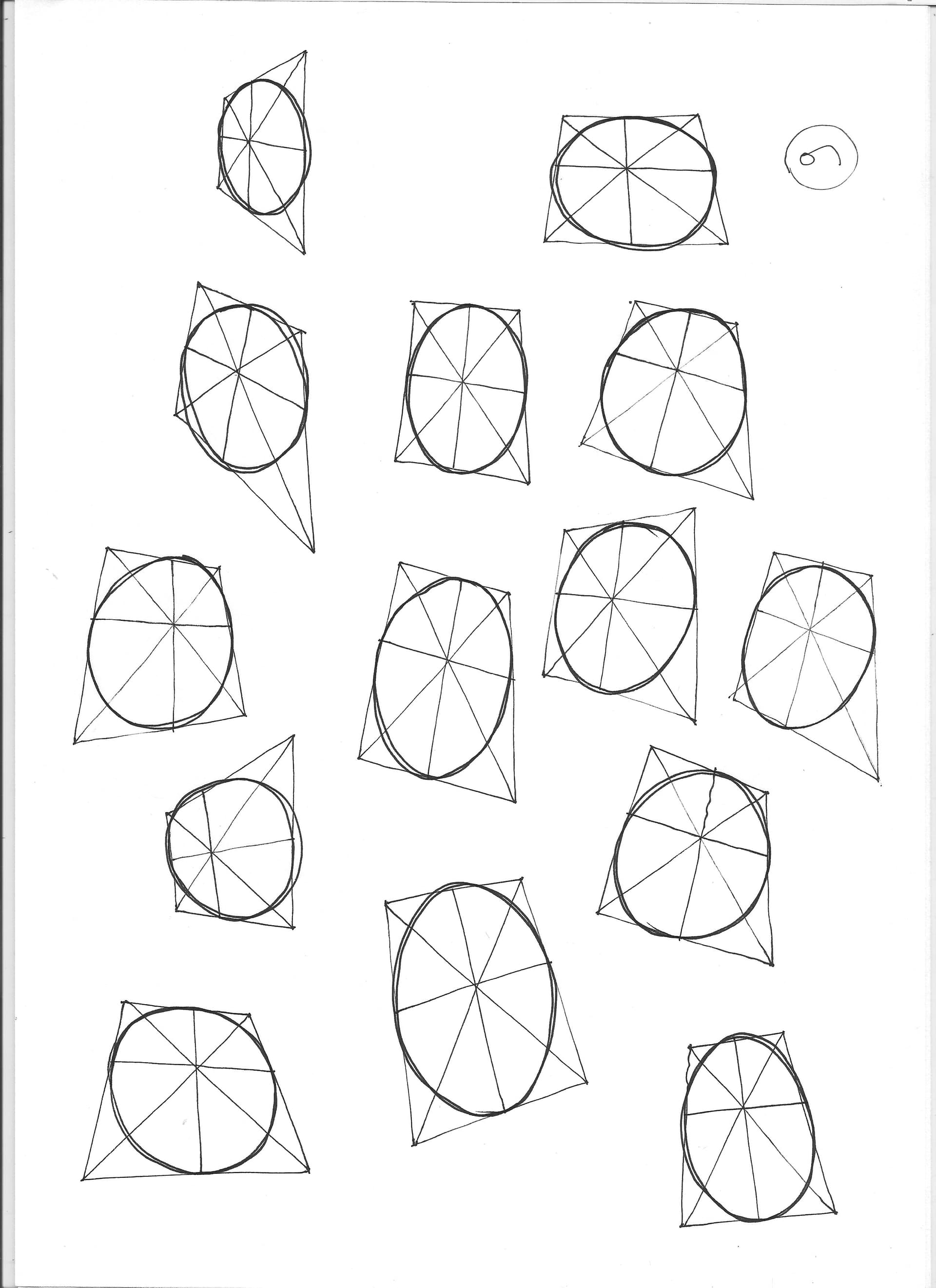
Ellipses in planes:
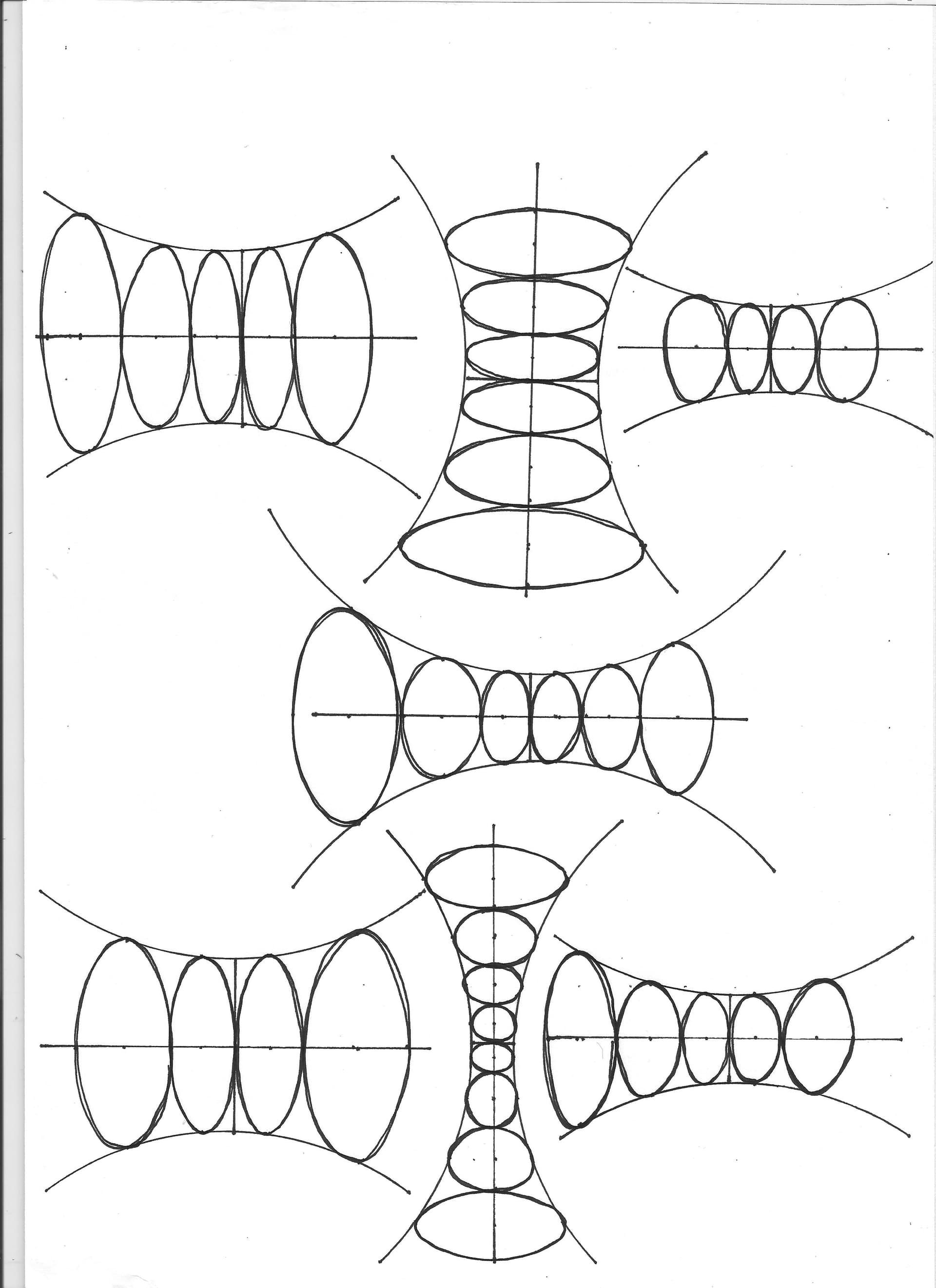
Funnels
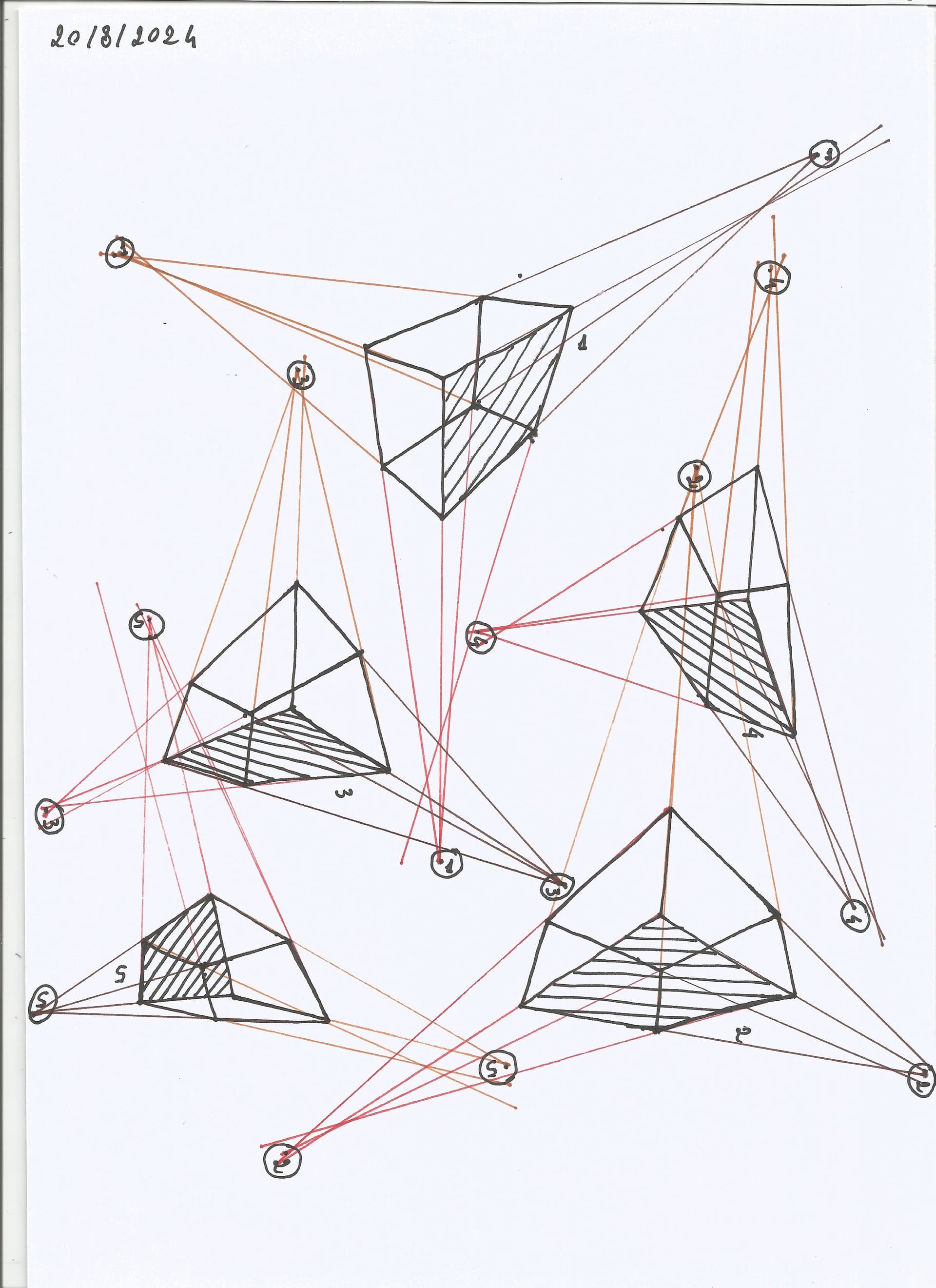
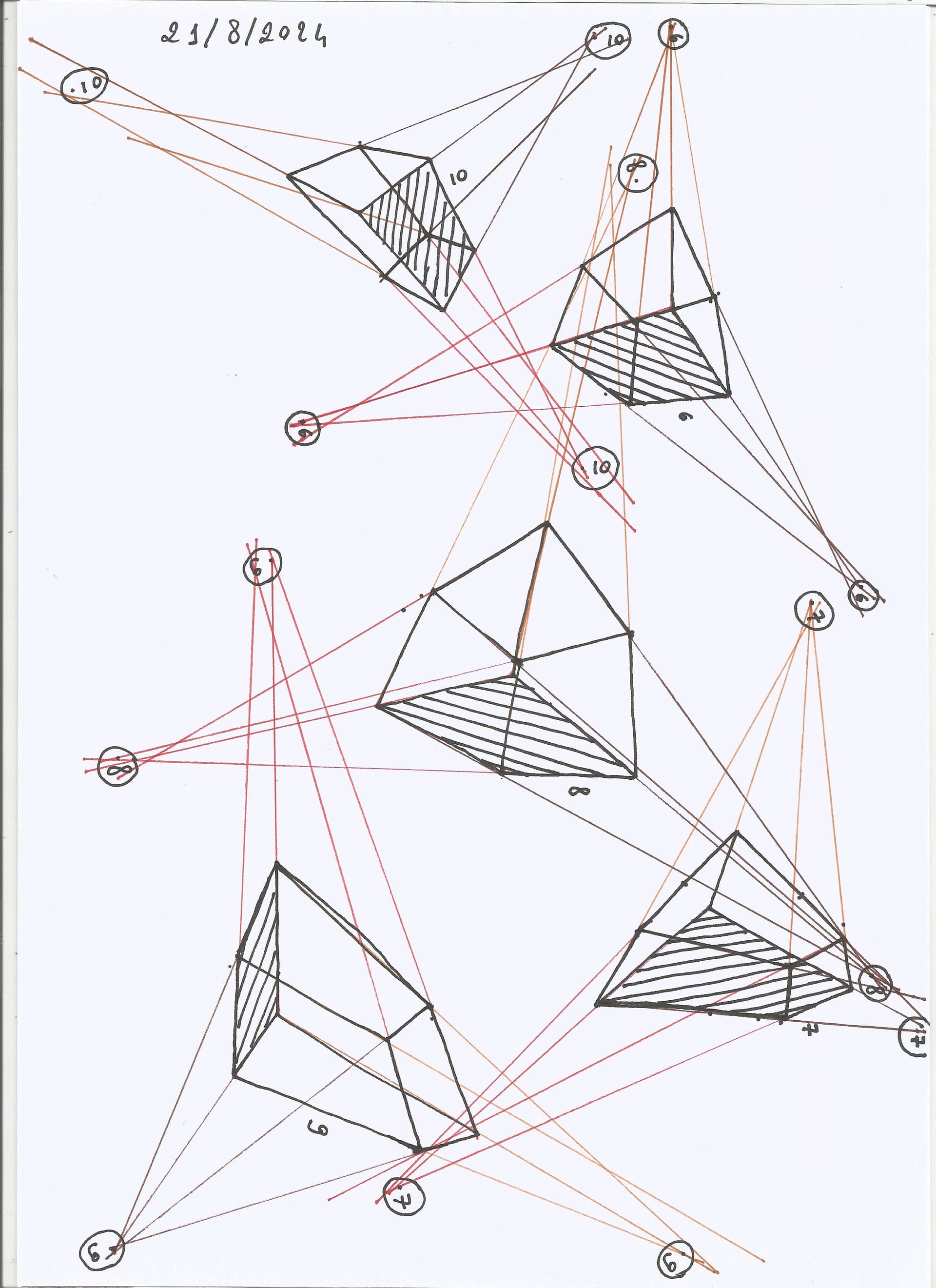
Plotted perspective:
Rough perspective:
Rotated boxes:
Organic perspective:
Now I am involved in the 250 box challenge which I find difficult and a bit (more than a bit) frustrating
13 Likes
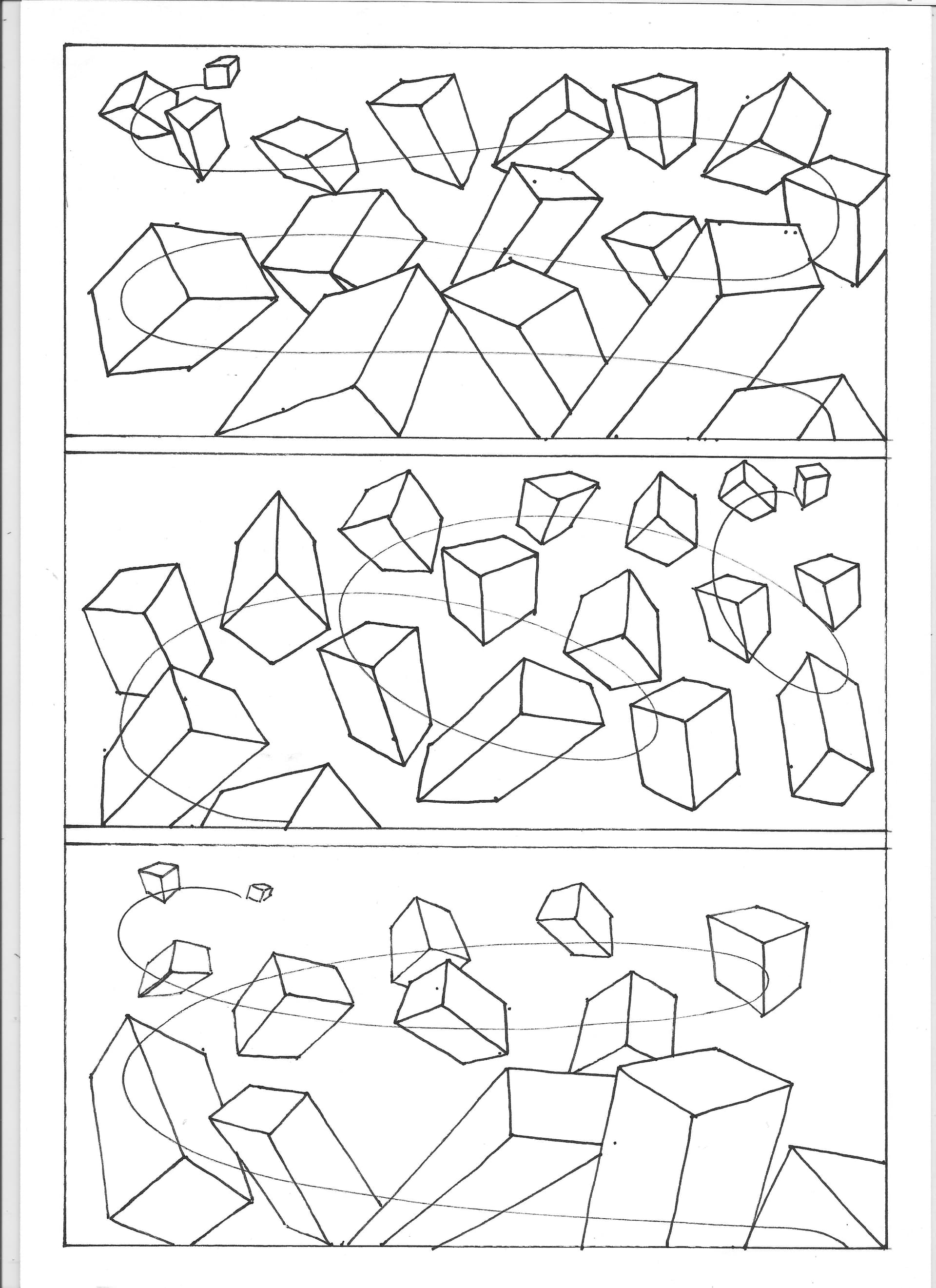
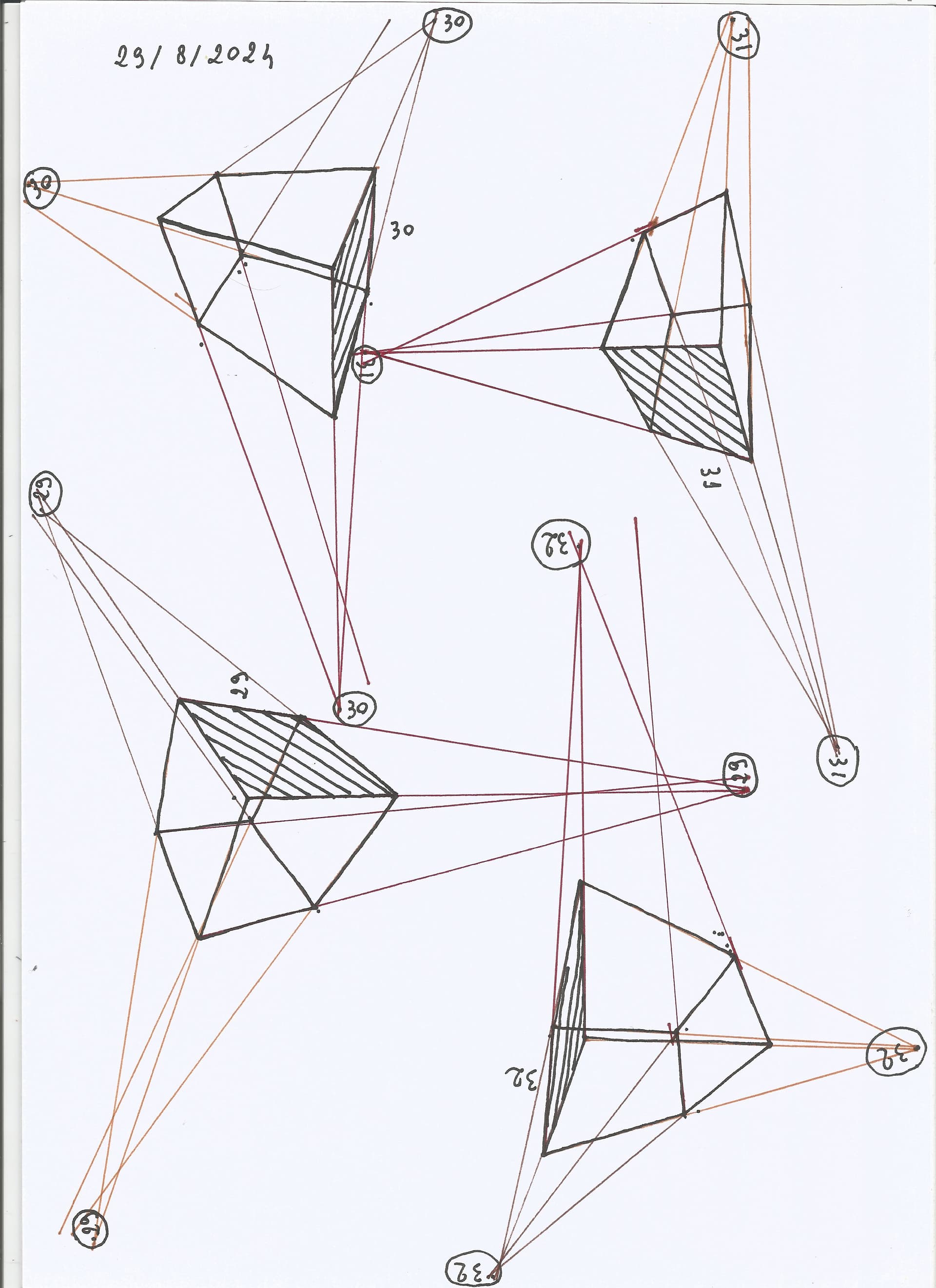
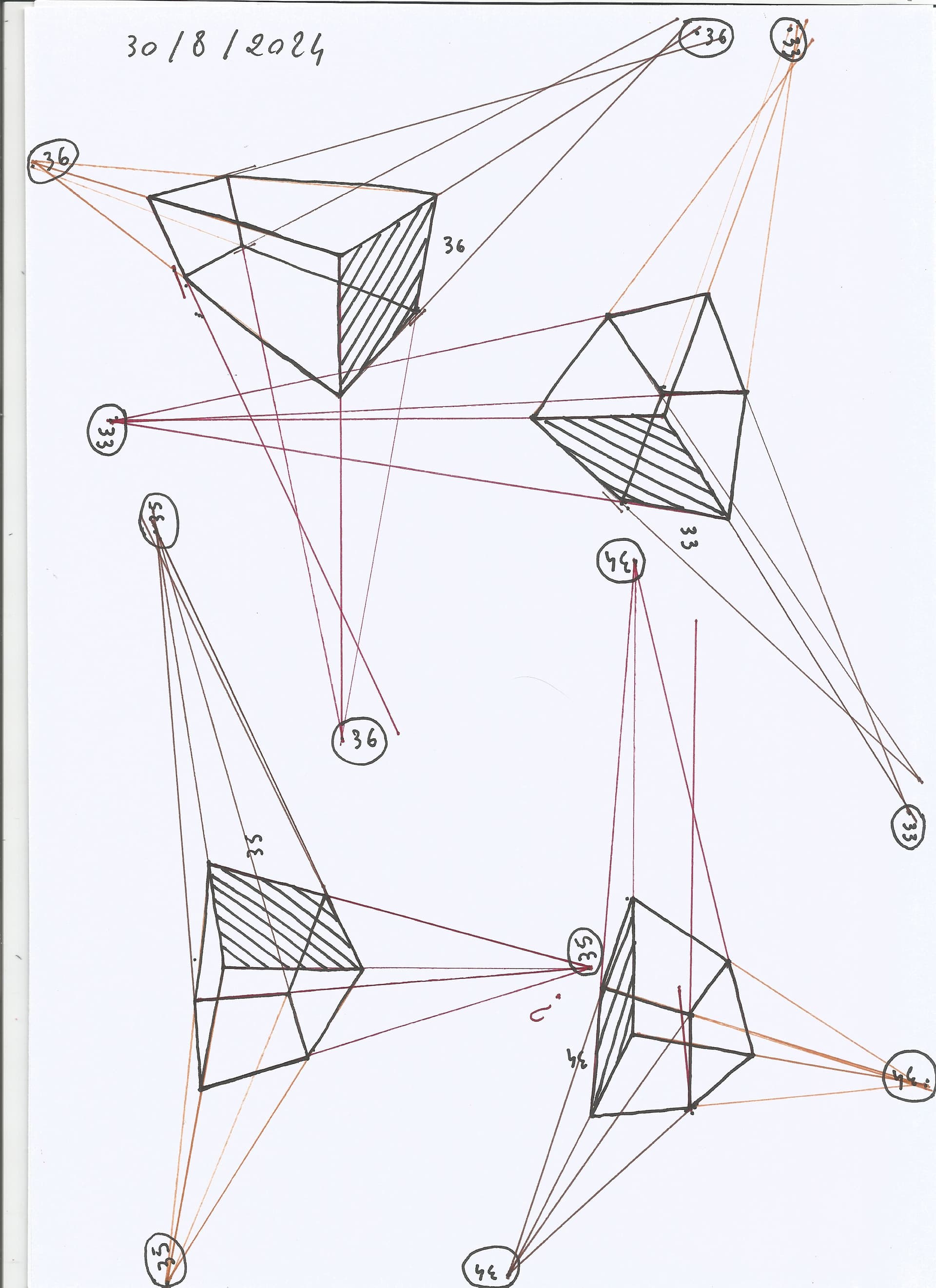
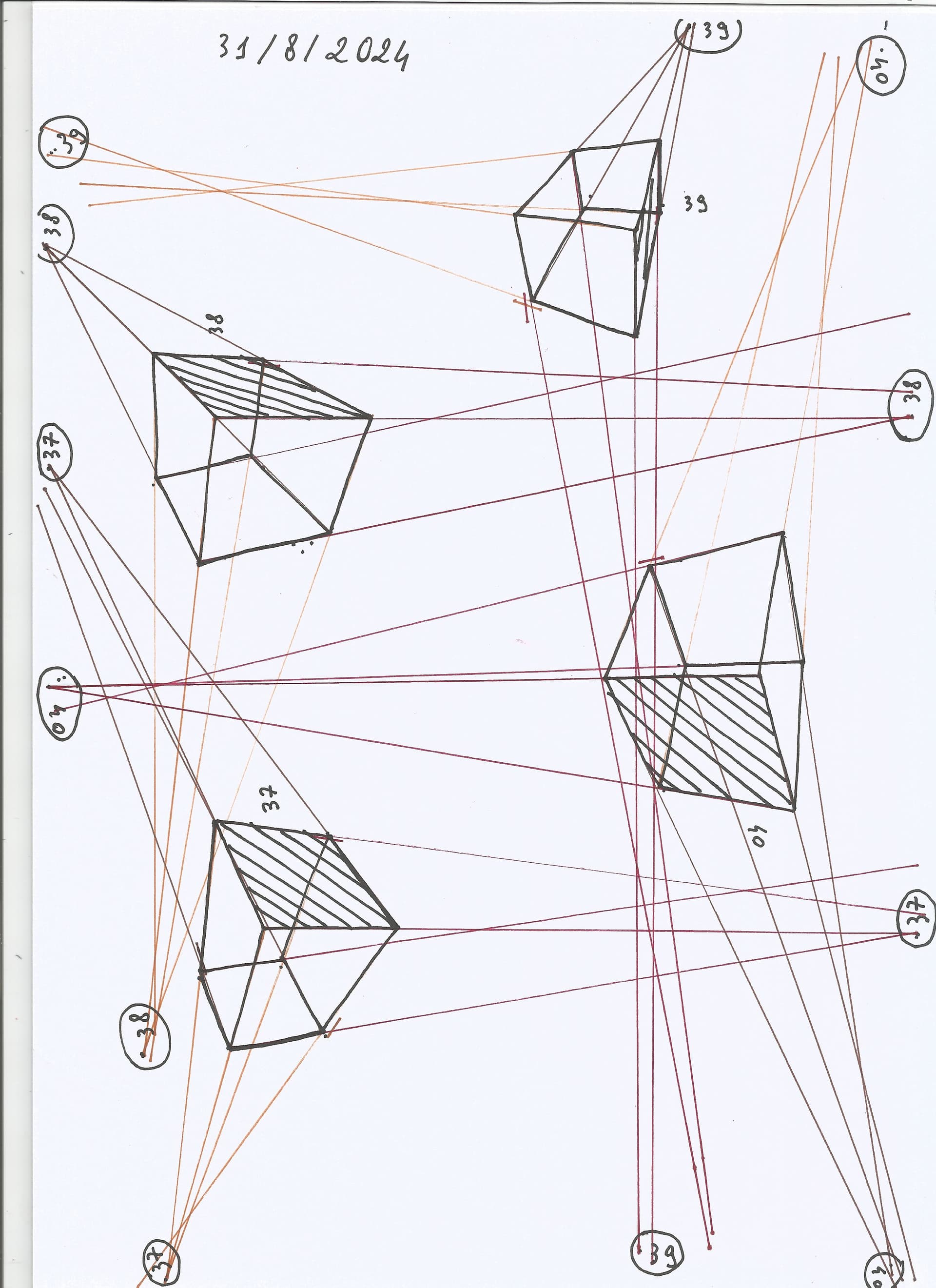
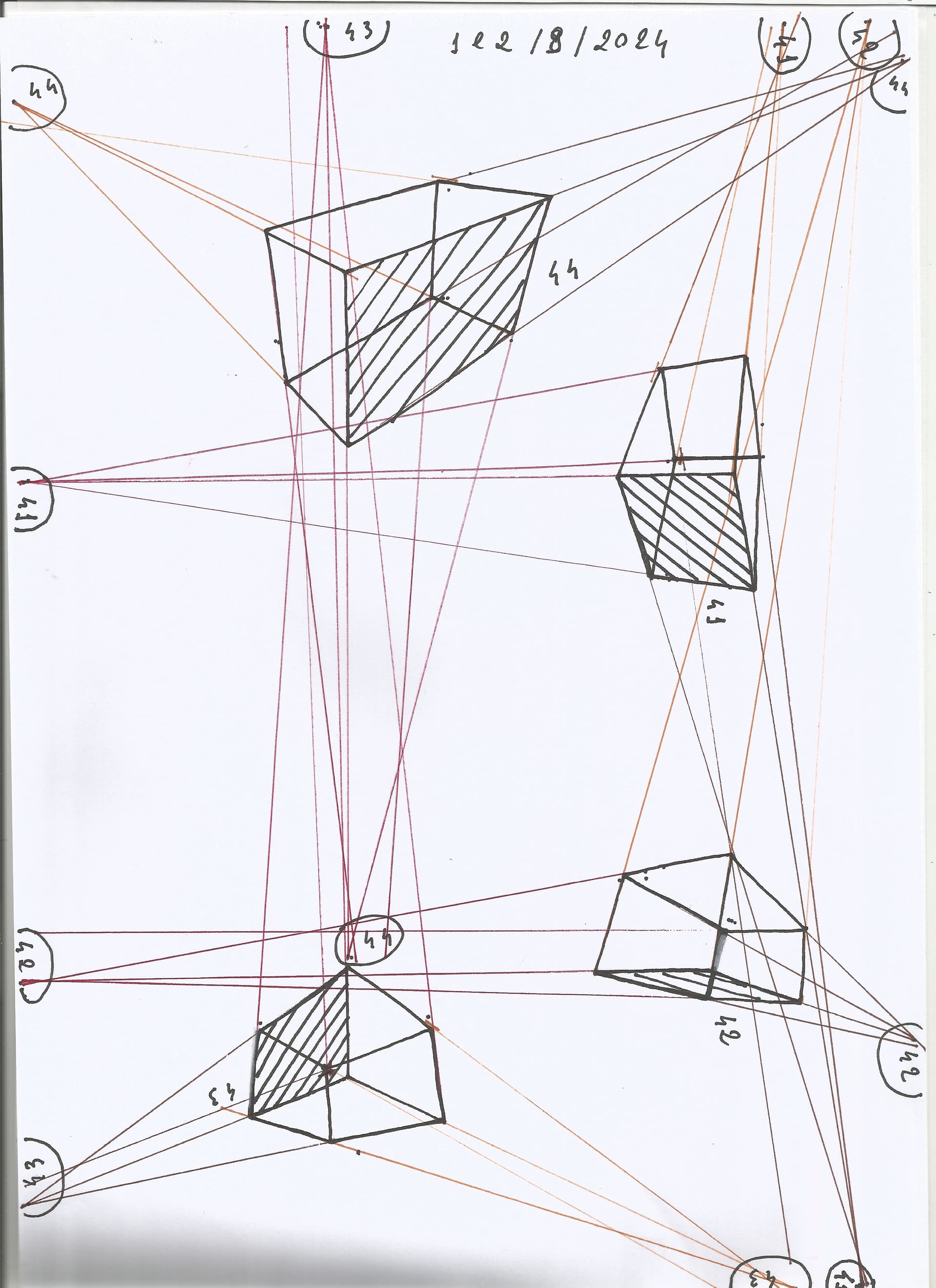
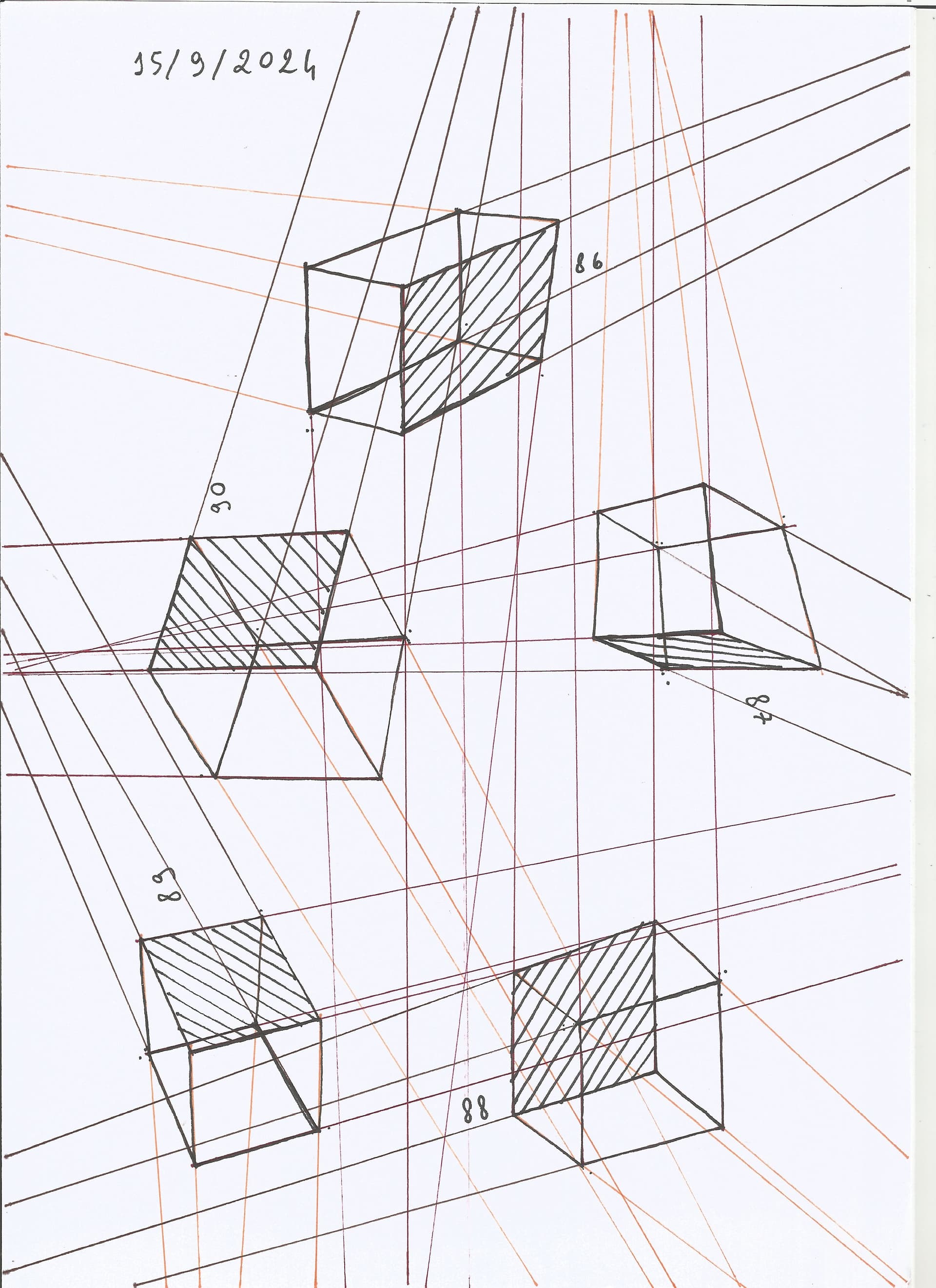
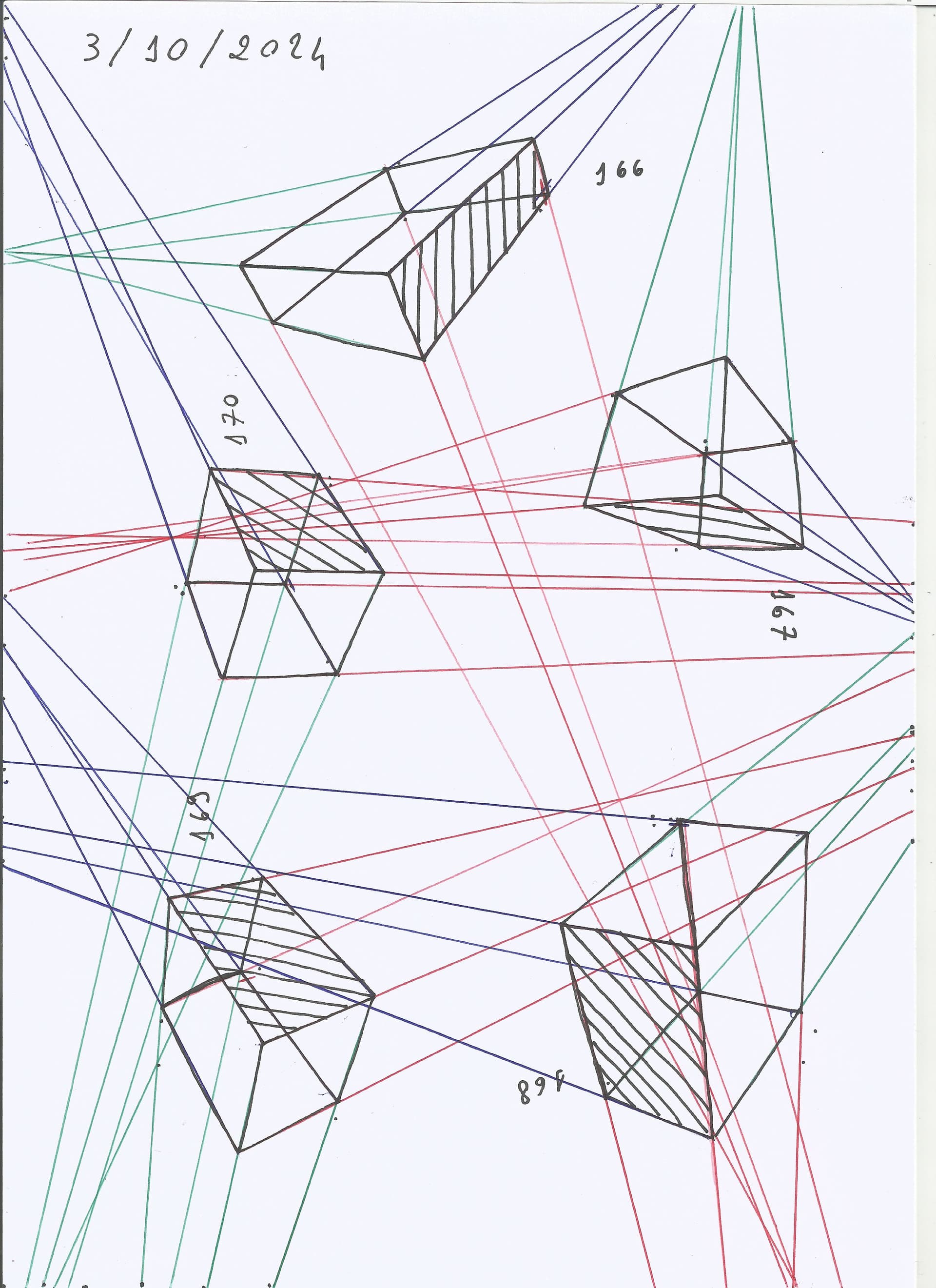
Here below are the first fifty where the vanishing point is plotted on the paper:
8 Likes
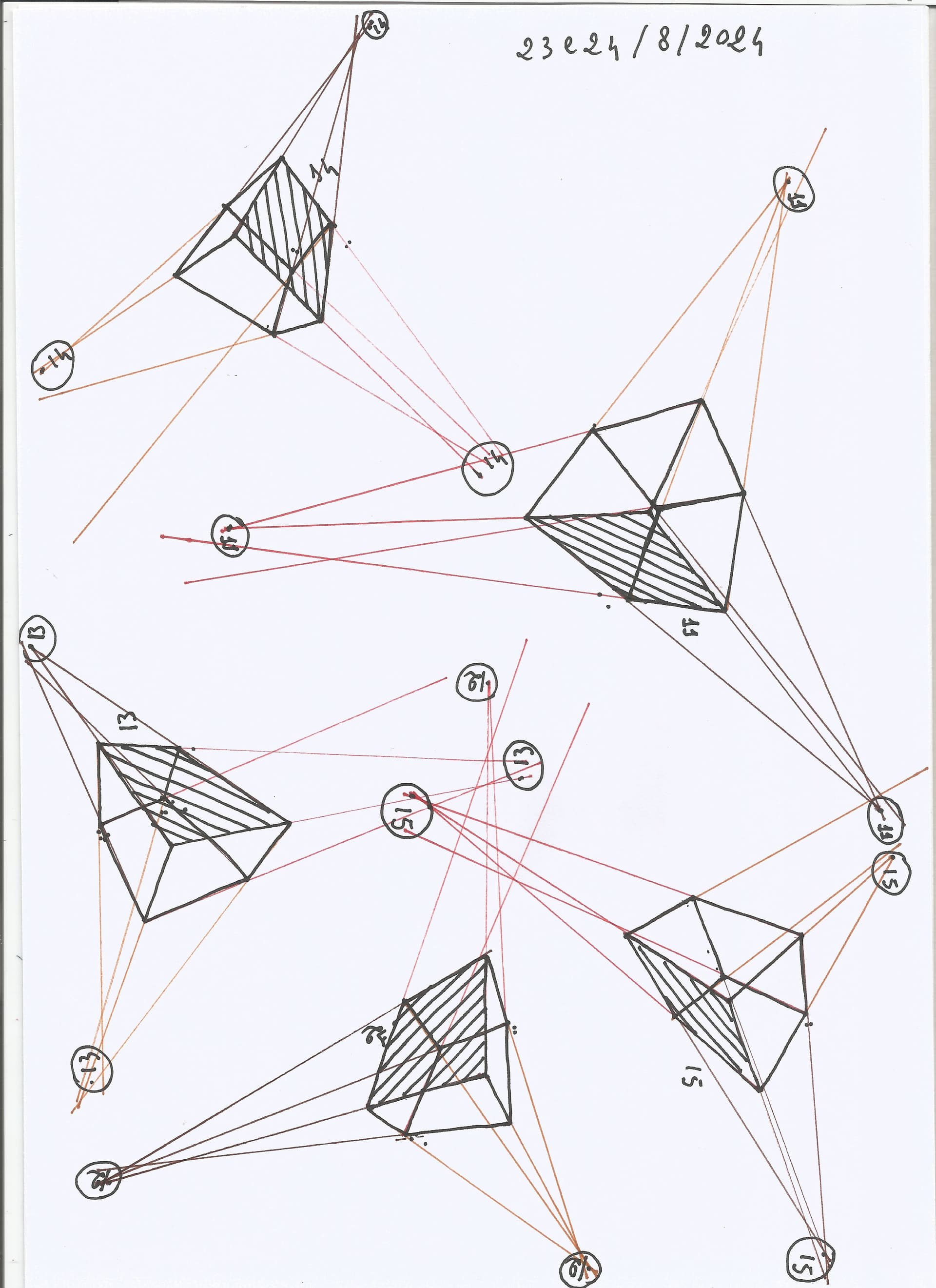
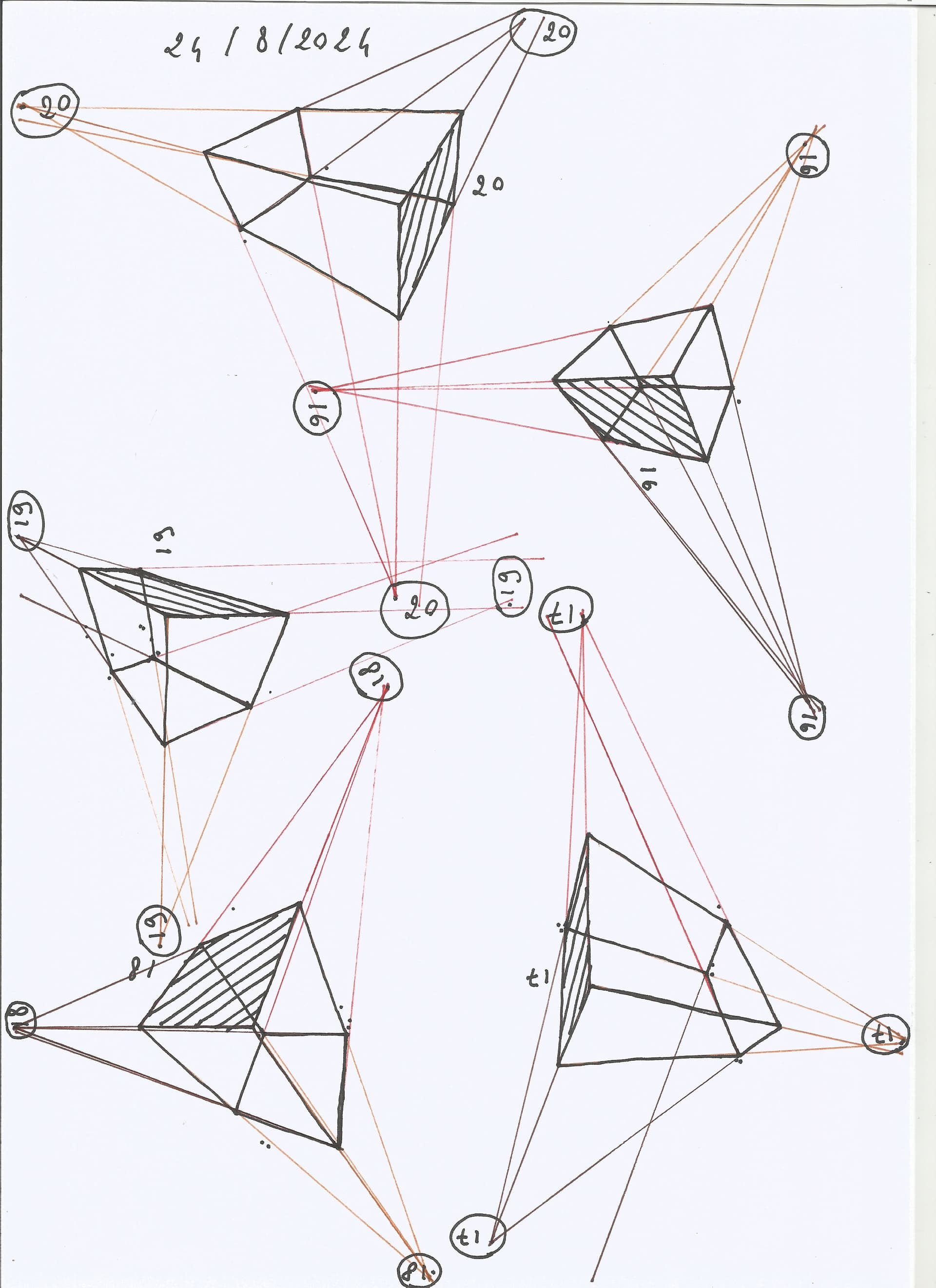
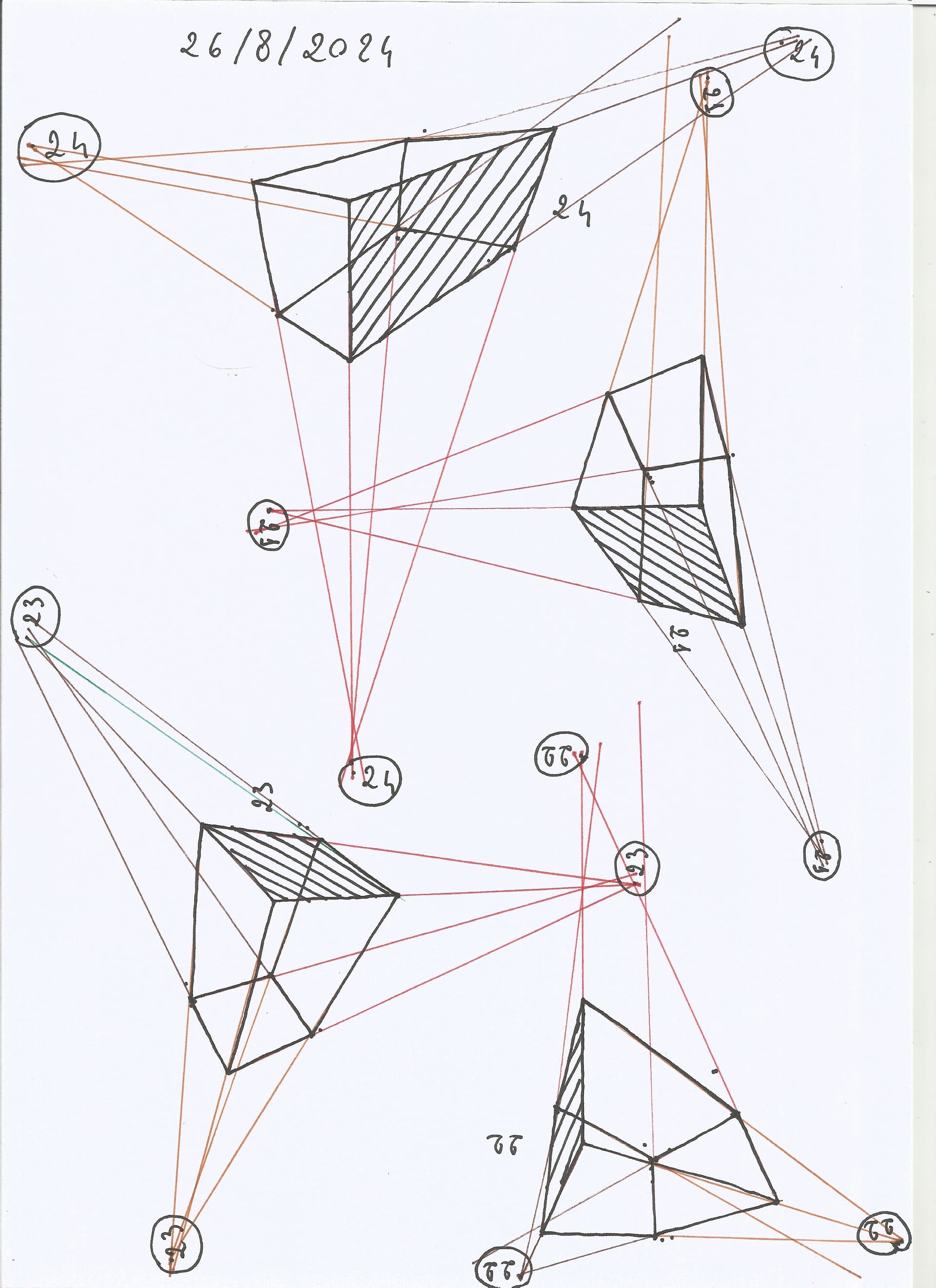
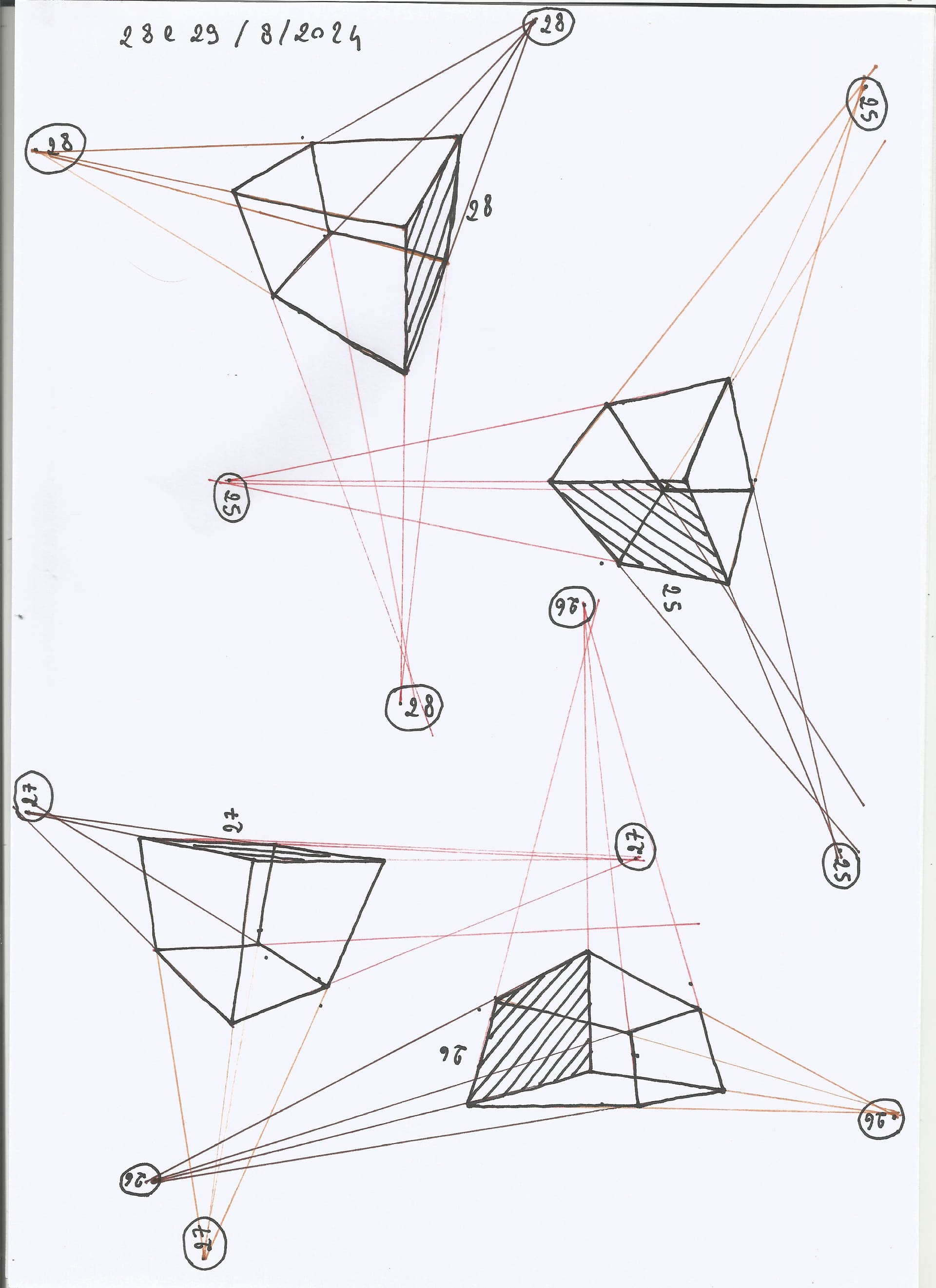
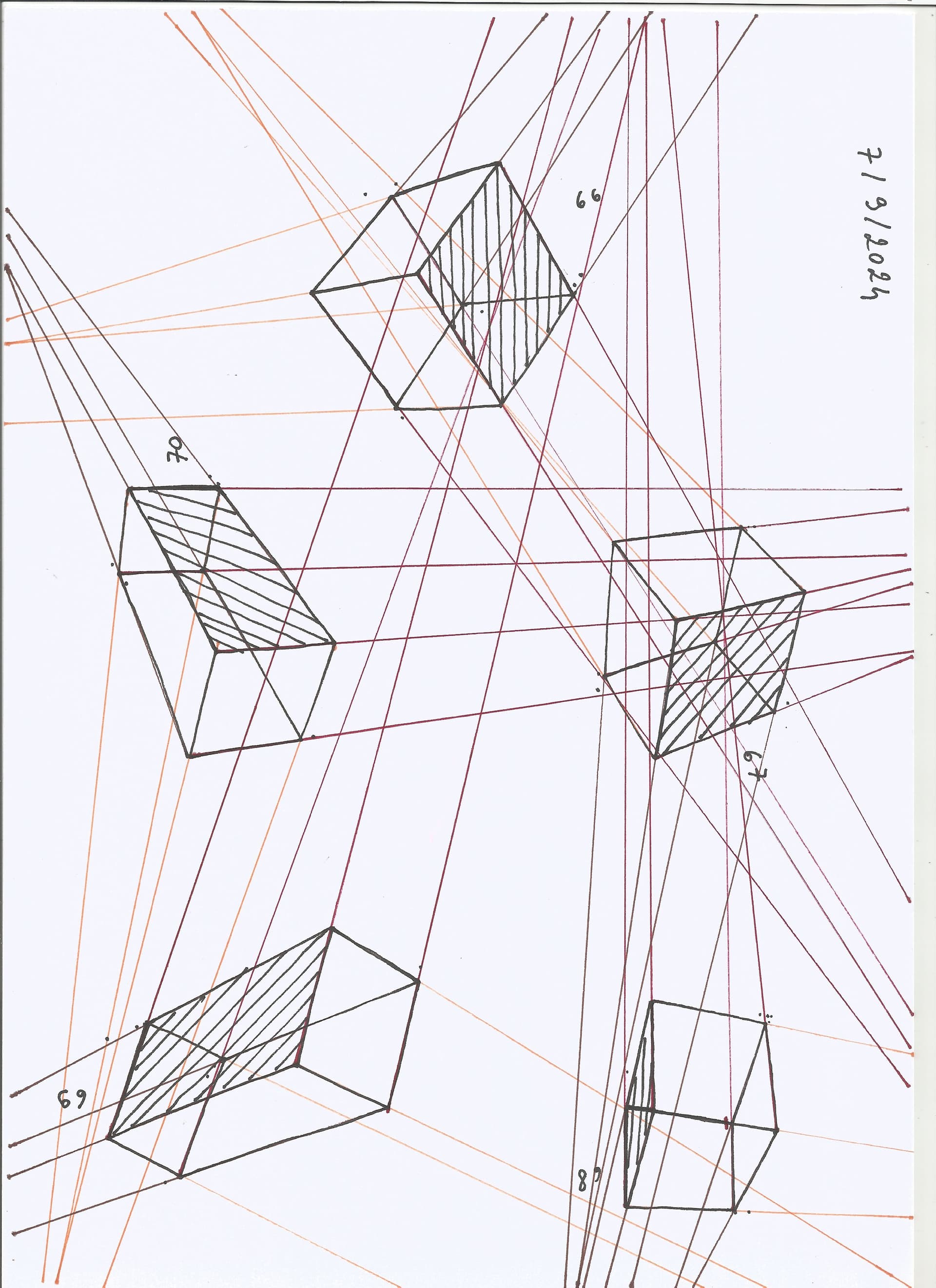
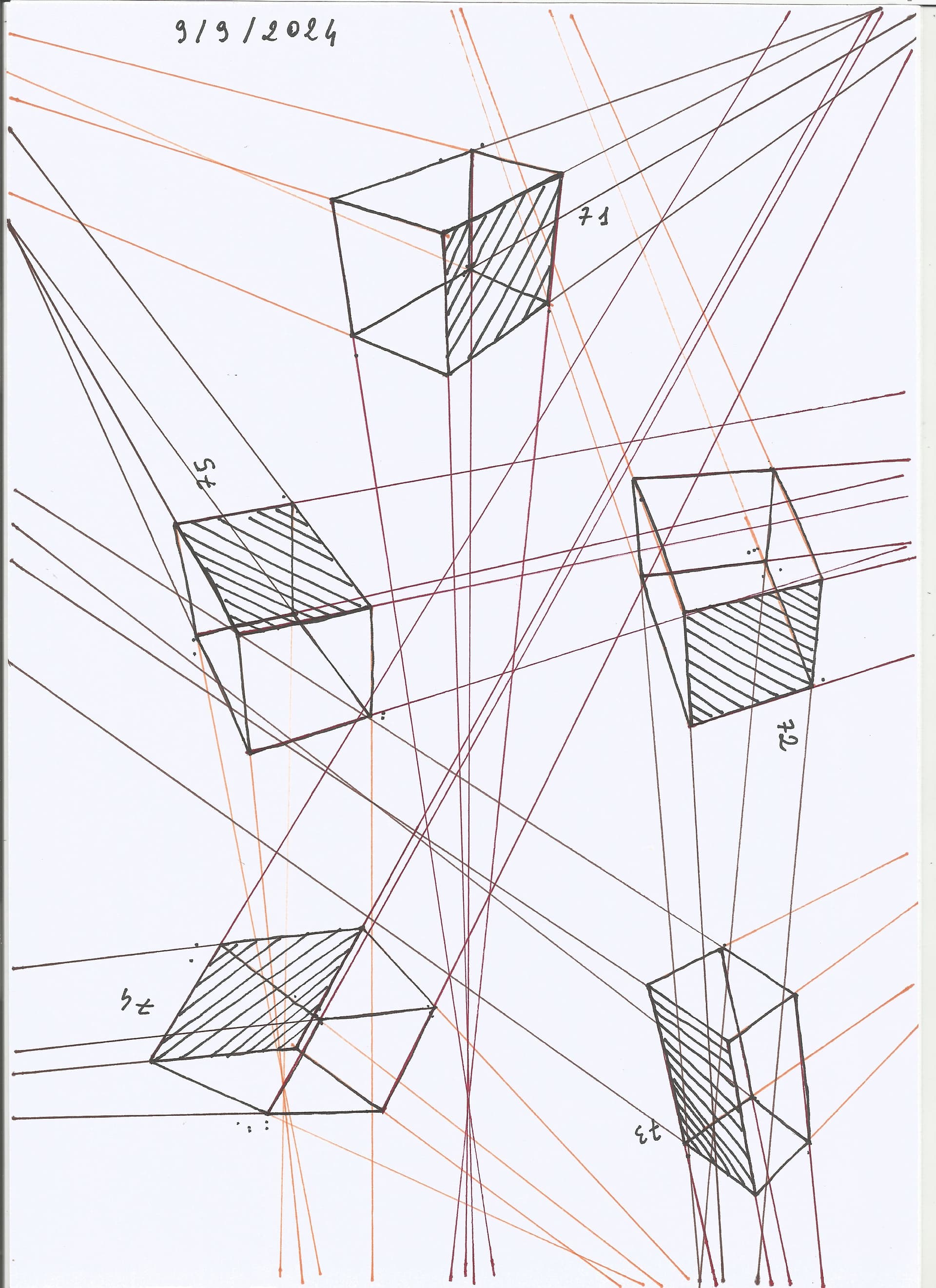
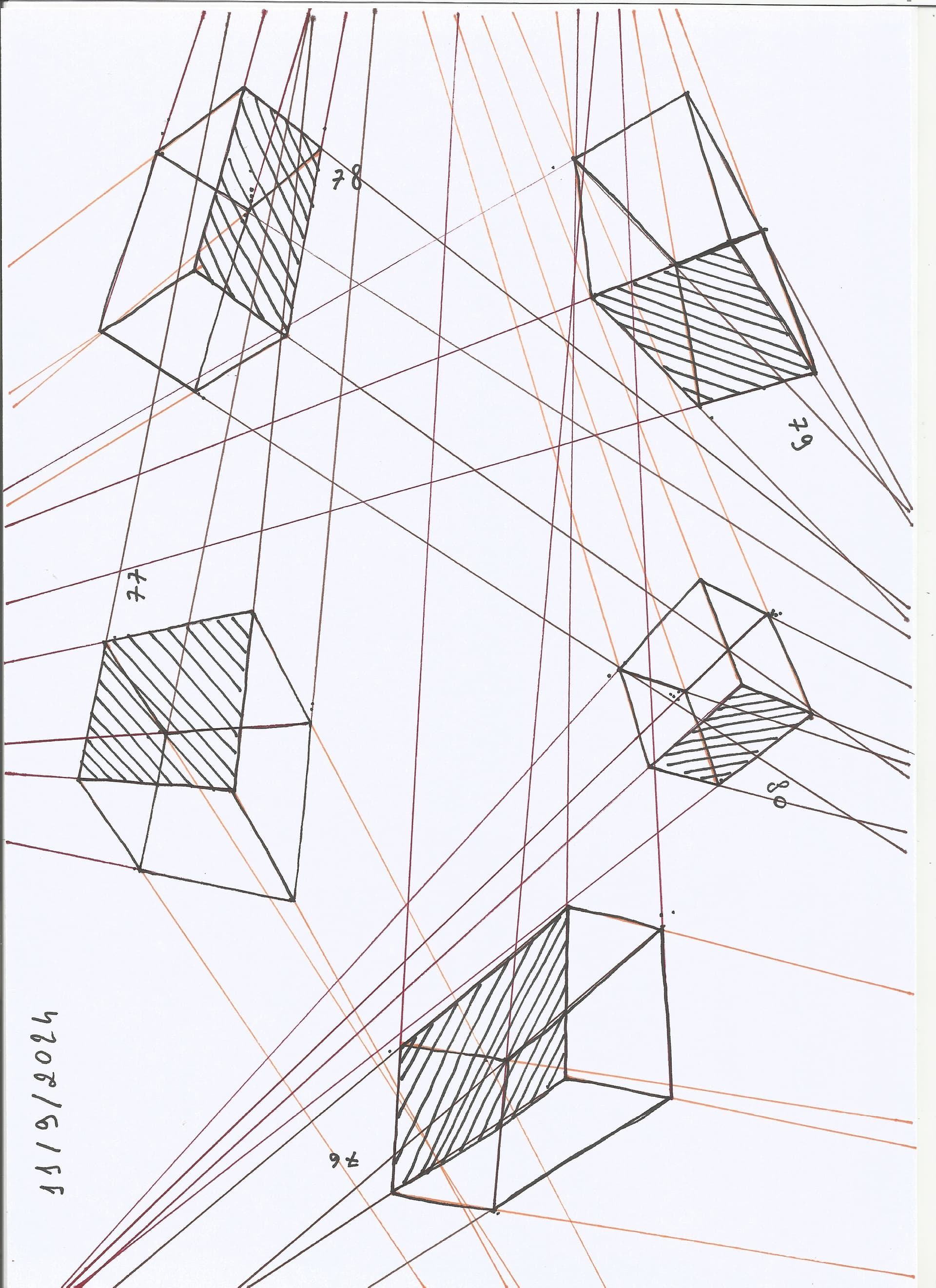
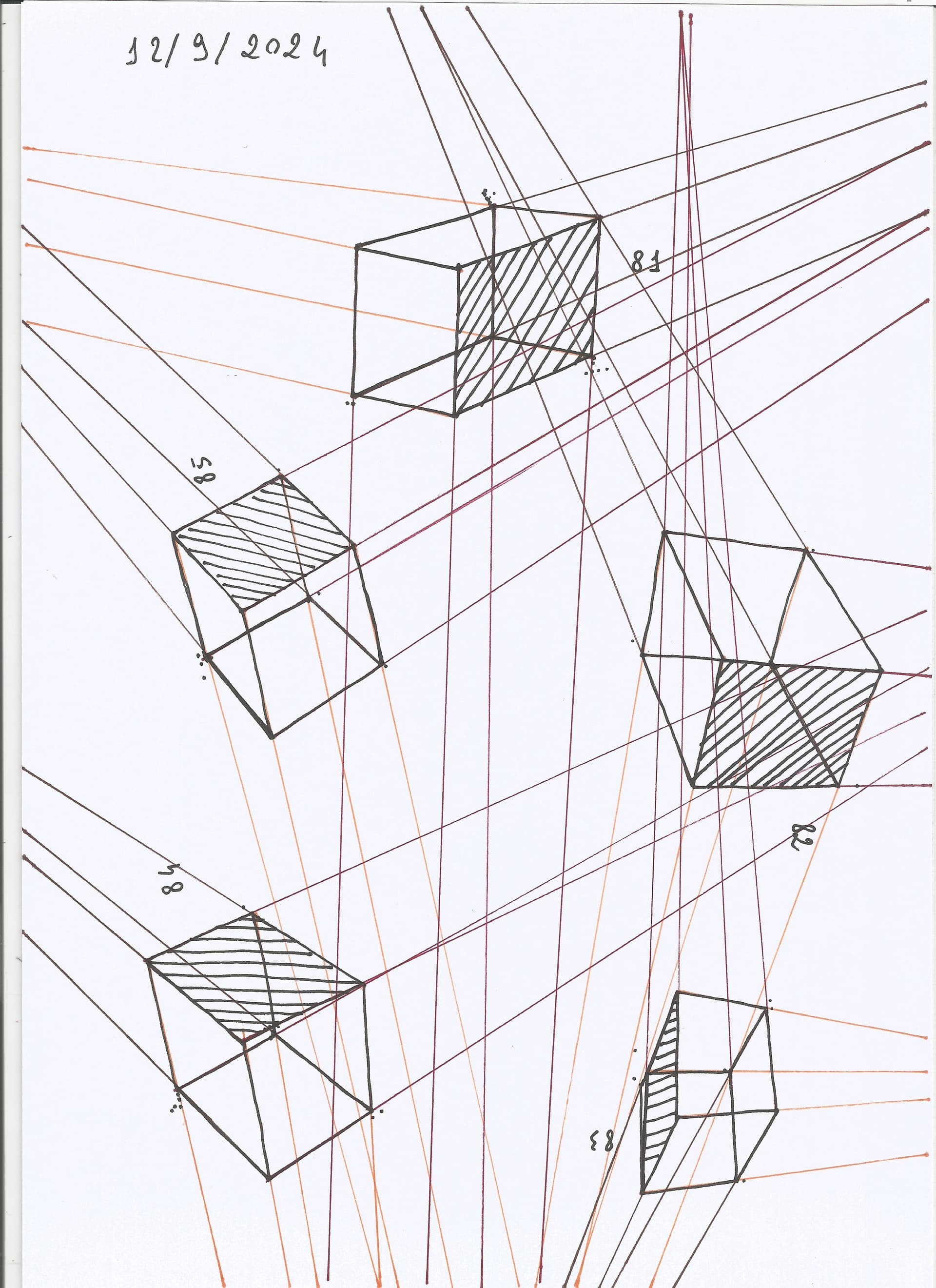
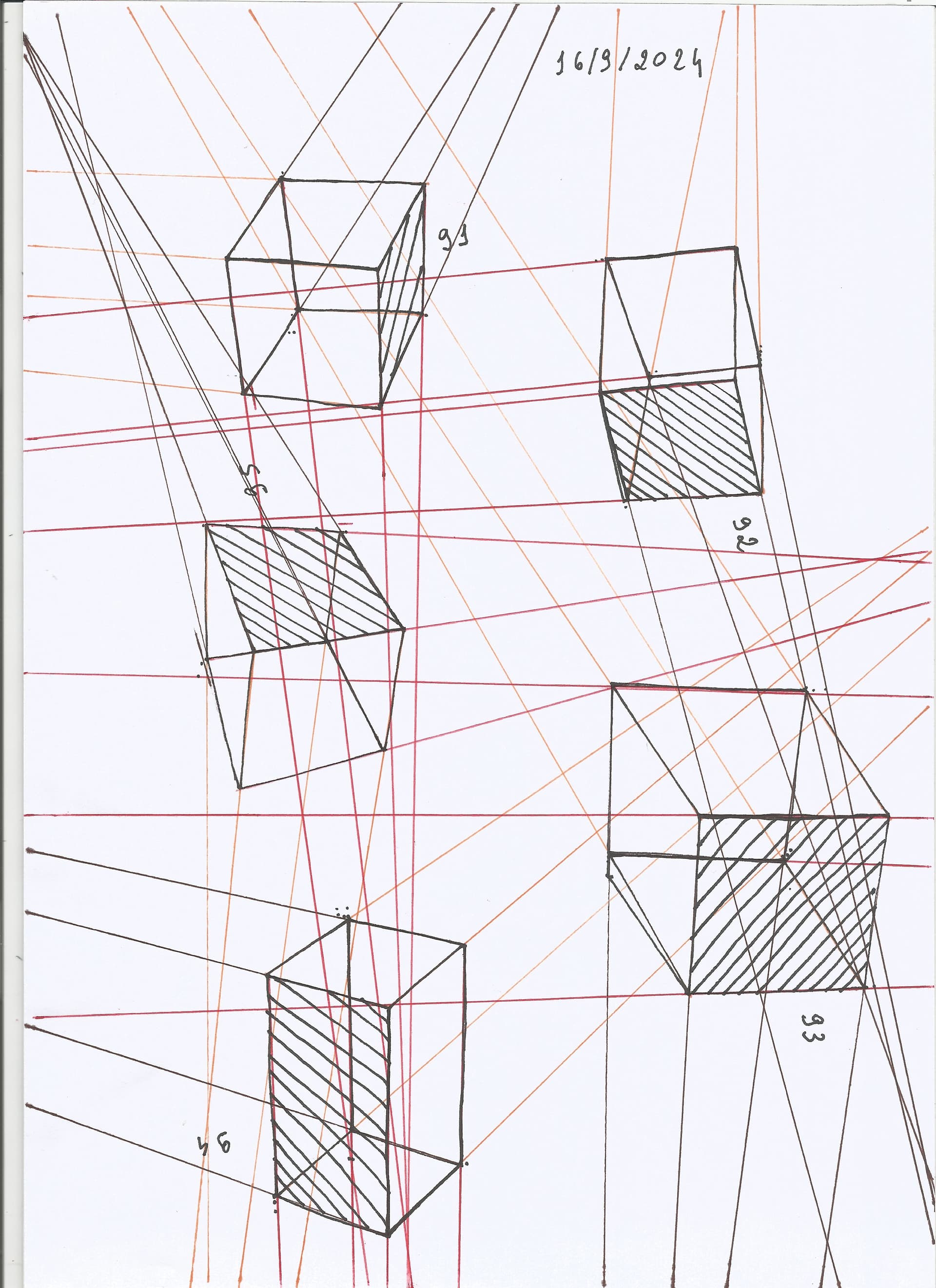
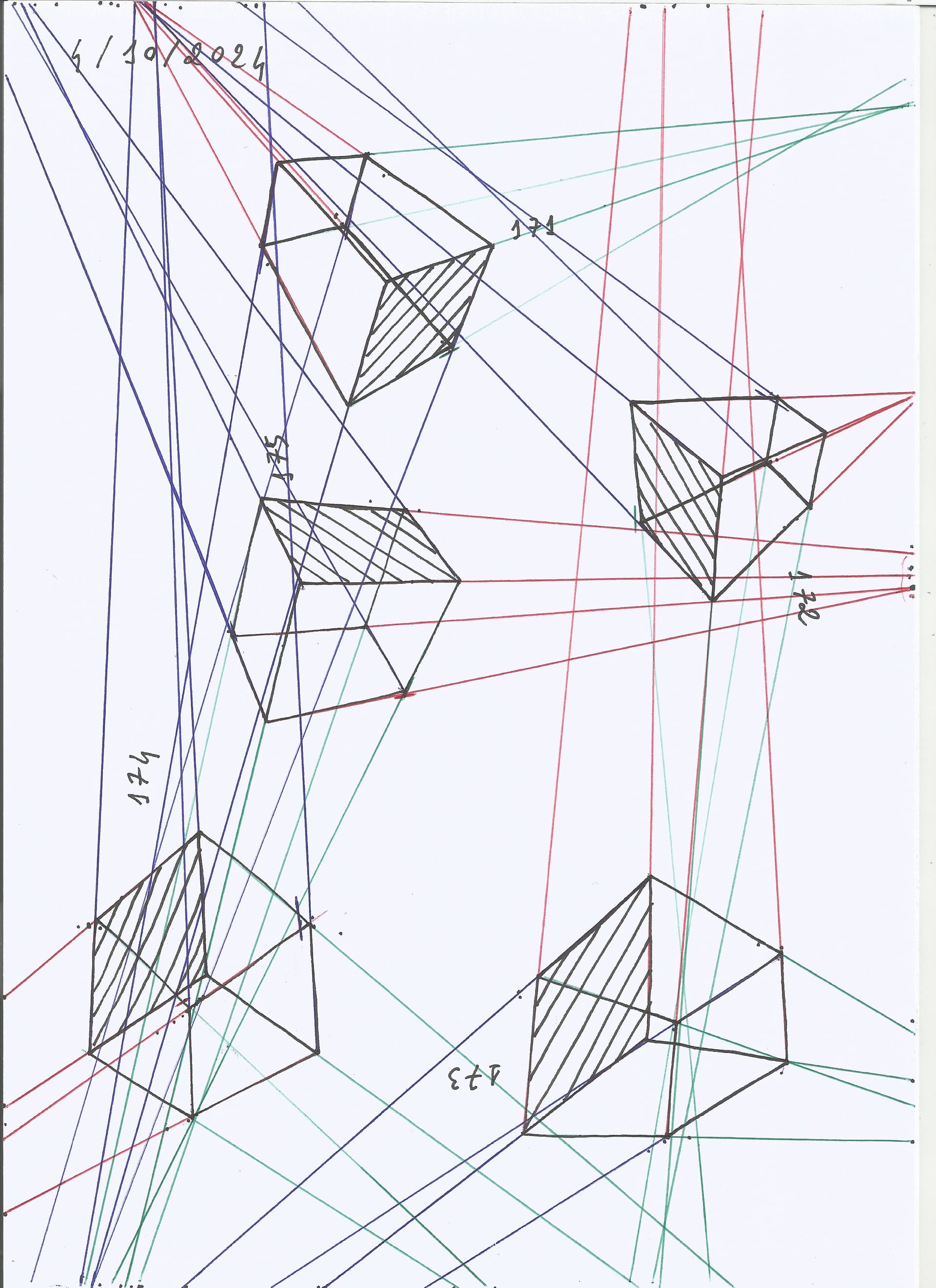
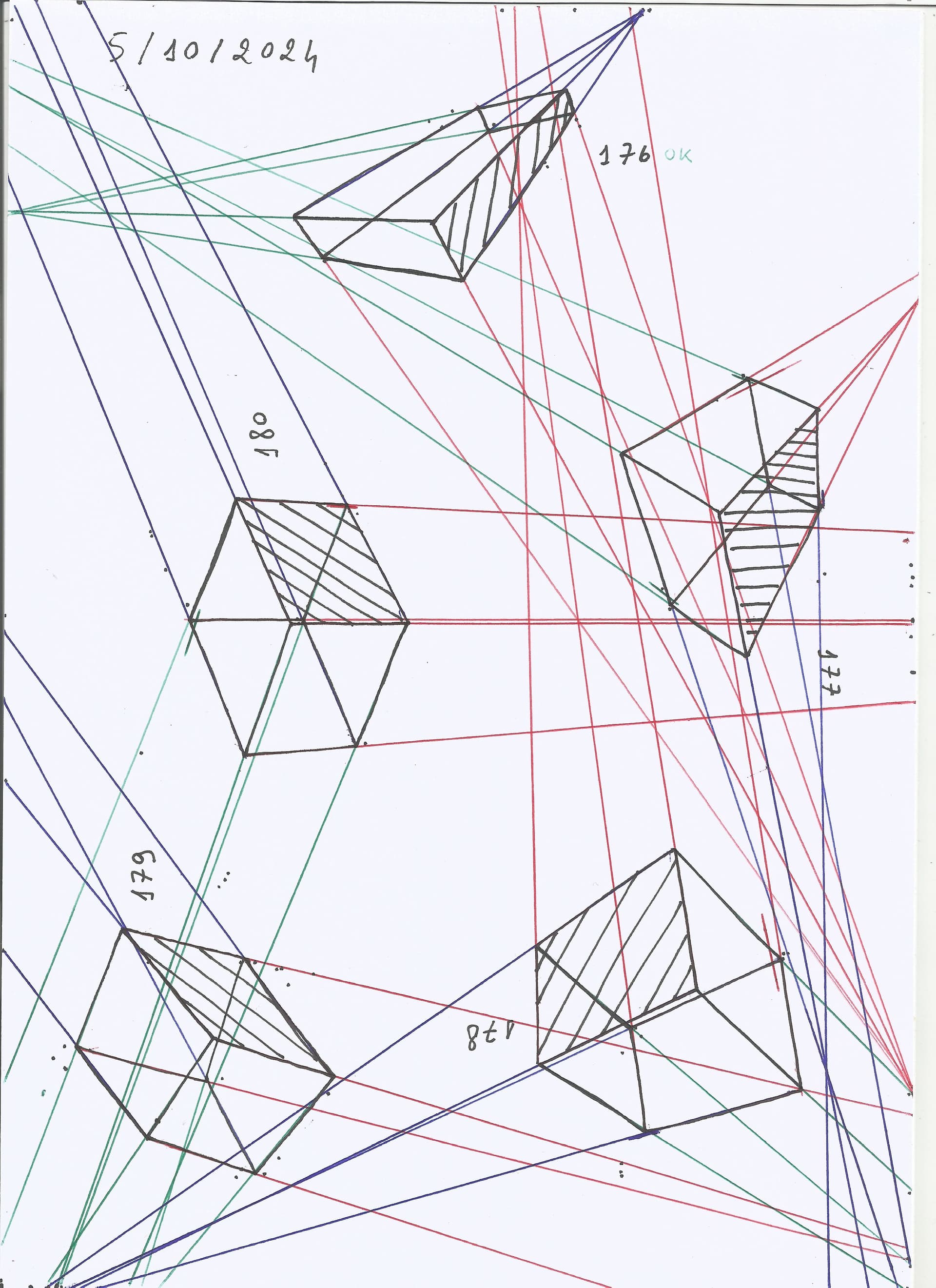
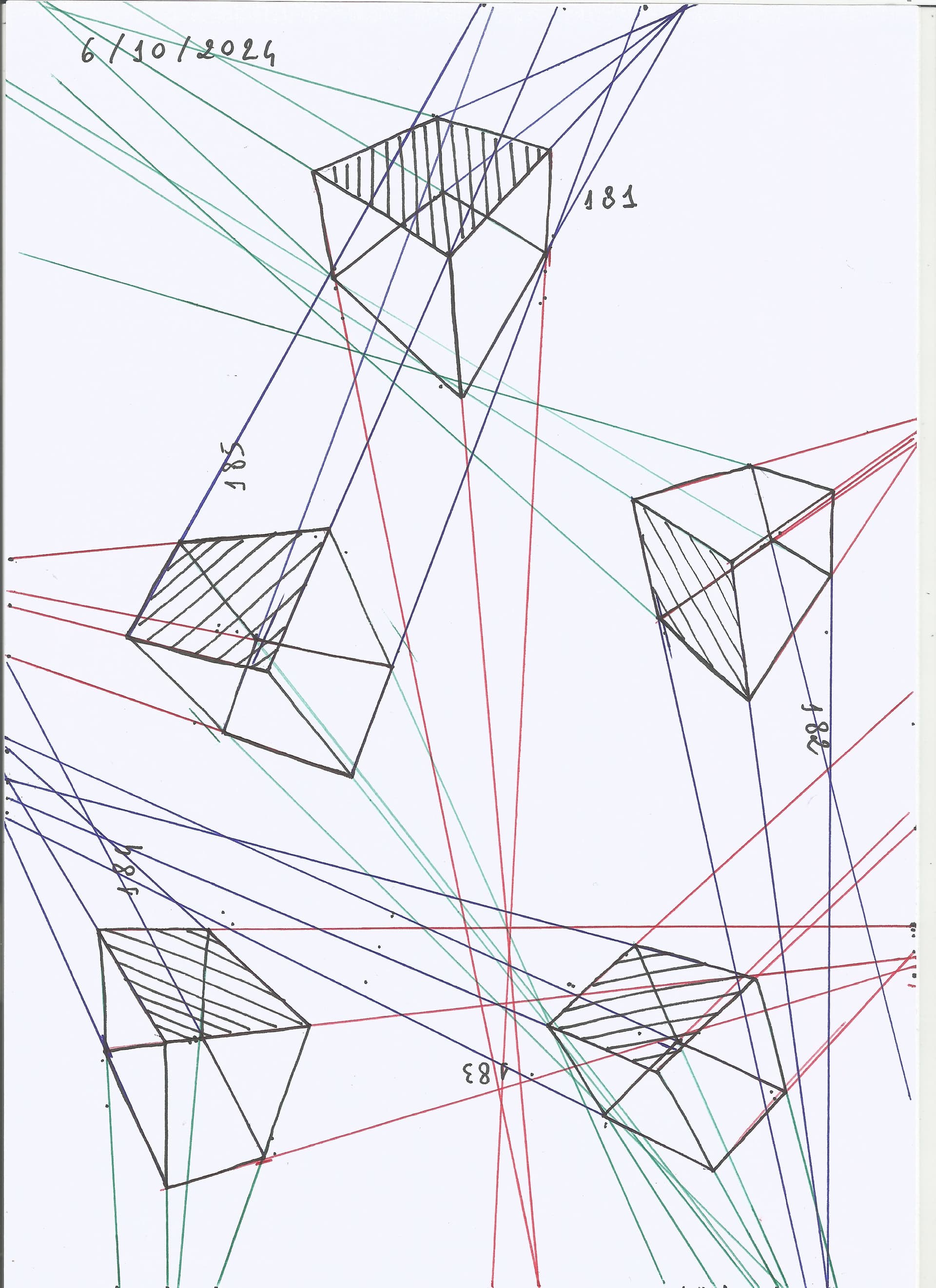
And here are the some of the next fifty where the vanishing point should lie outside of the paper, far in the distance, but as you can see I am not emproving as I am not able to estimate the convergence so any suggestion is welcome:
9 Likes
That reminds me a lot of my training as a draftsman.
Michelist
1 Like
I might consider doing this just to improve my existing skills as a self taught artist. The way I learnt I missed out on a surprising amount of core concepts.
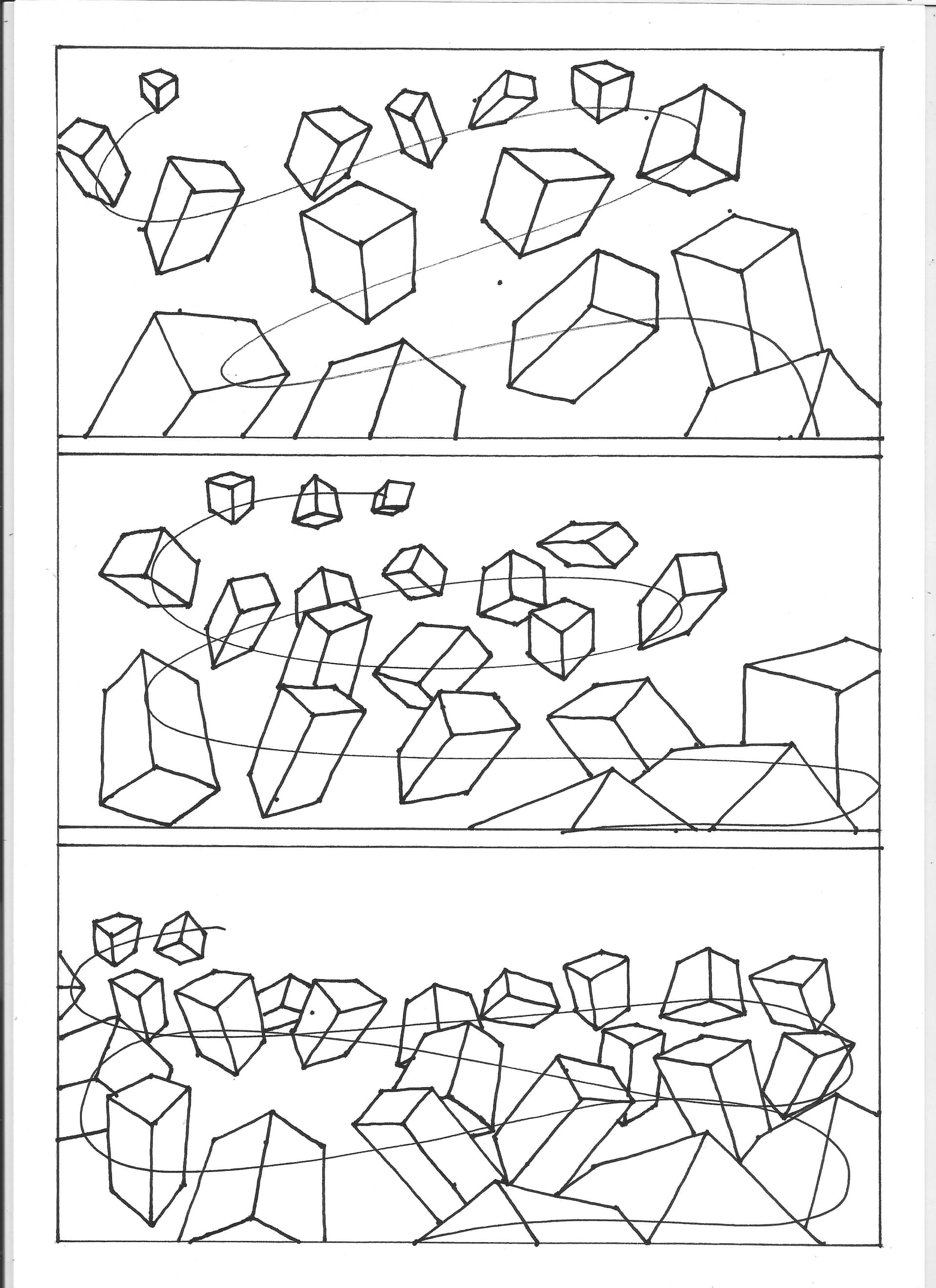
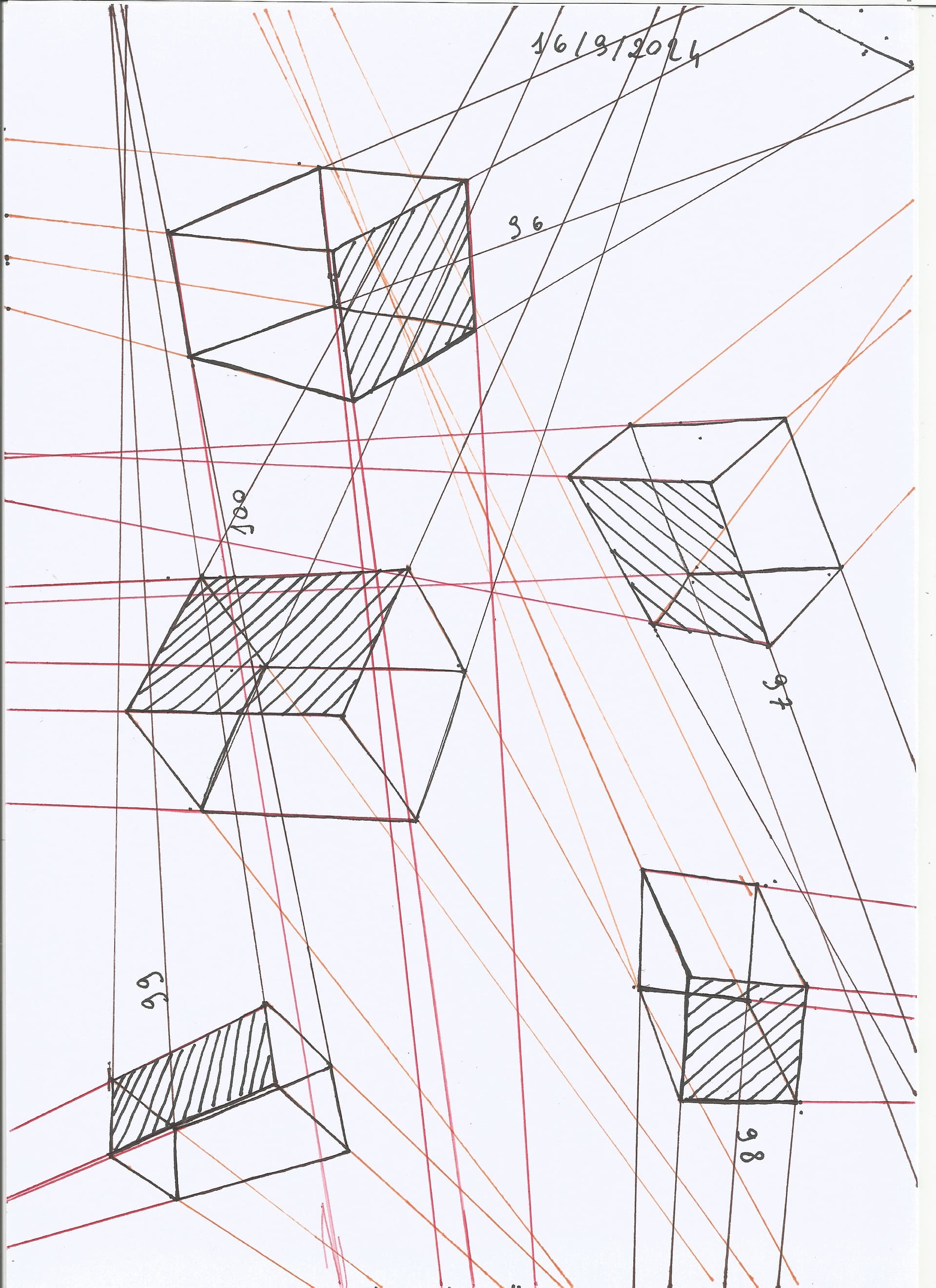
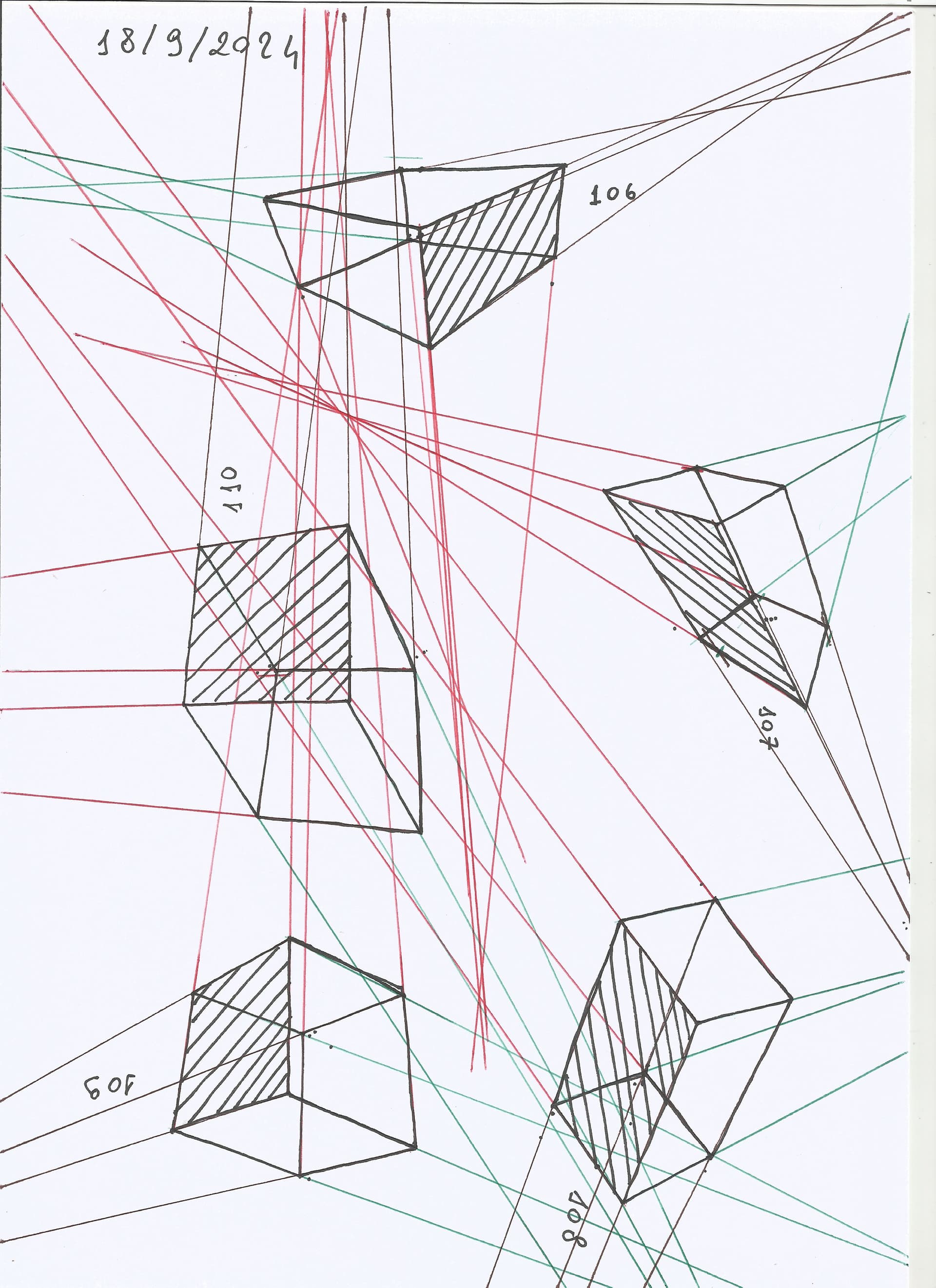
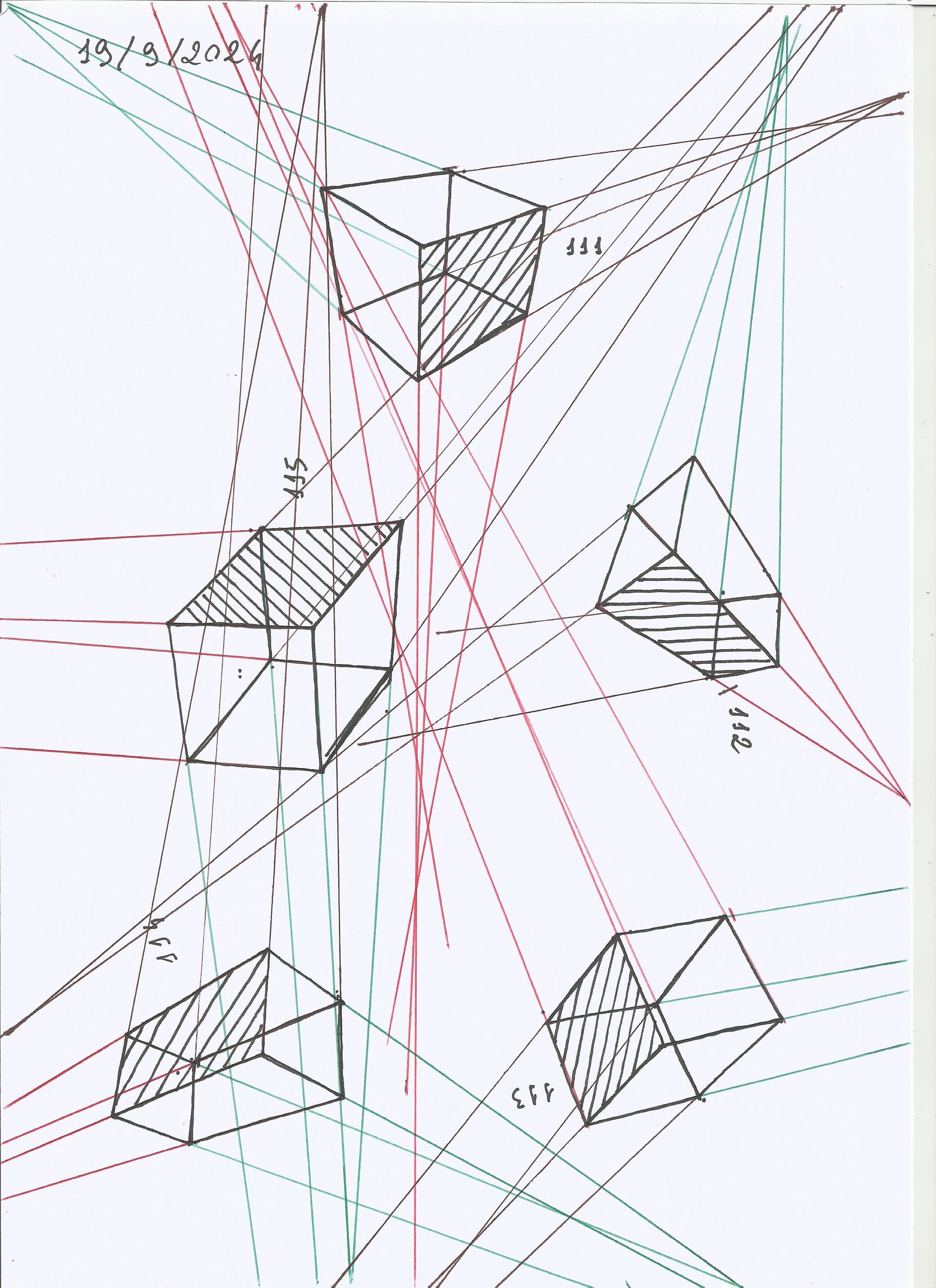
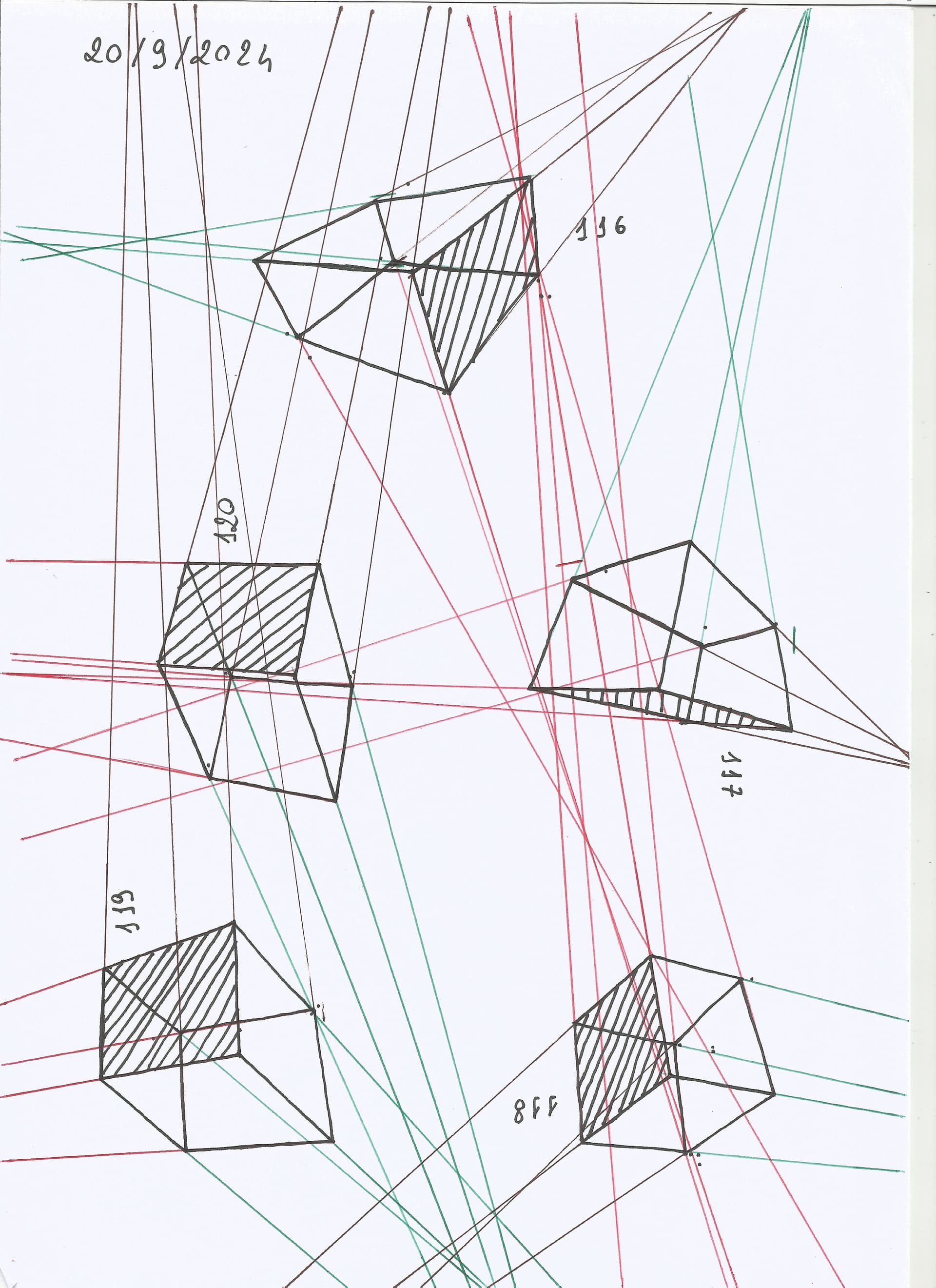
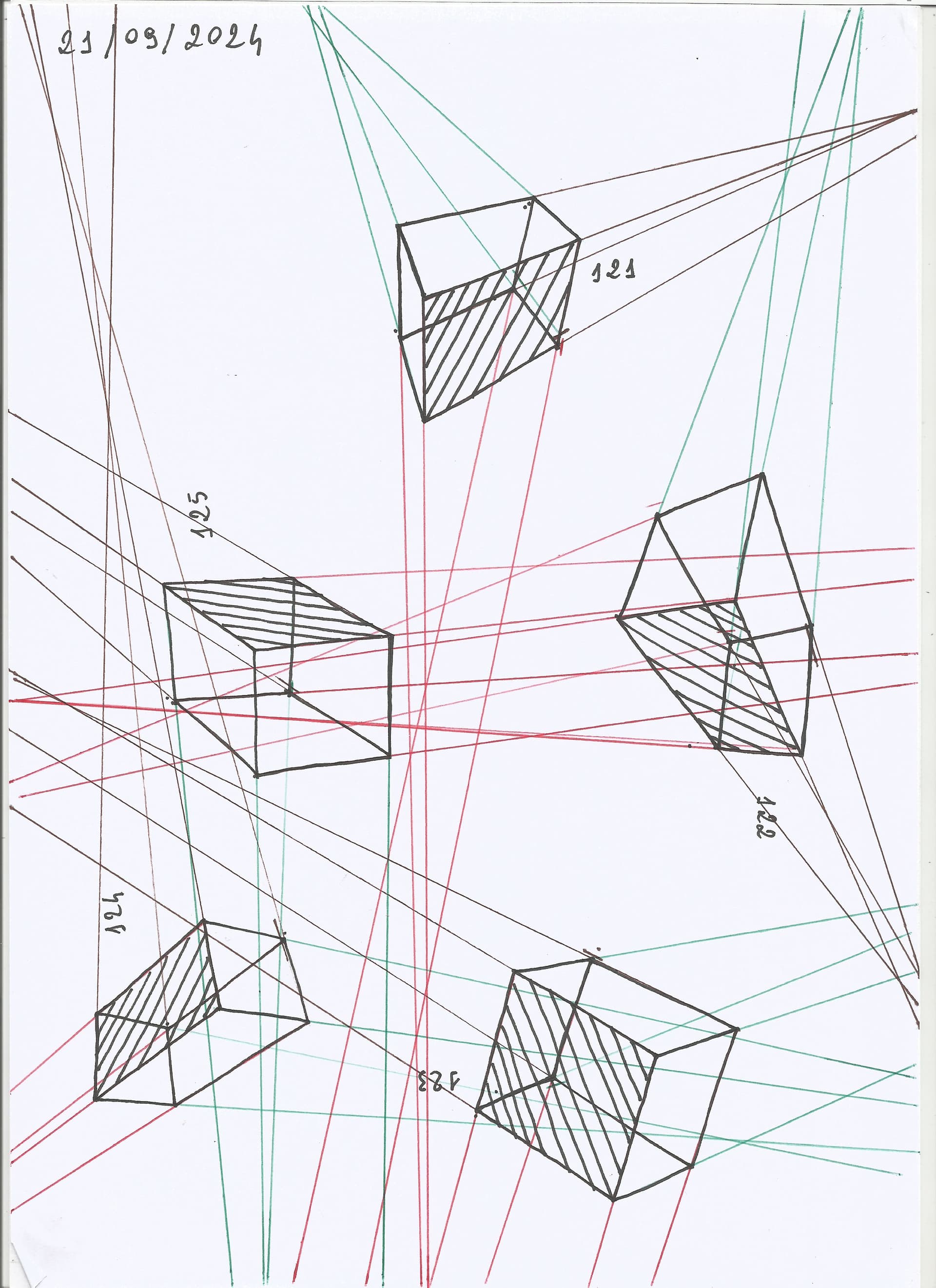
And here is what remains up to 100 boxes:
5 Likes
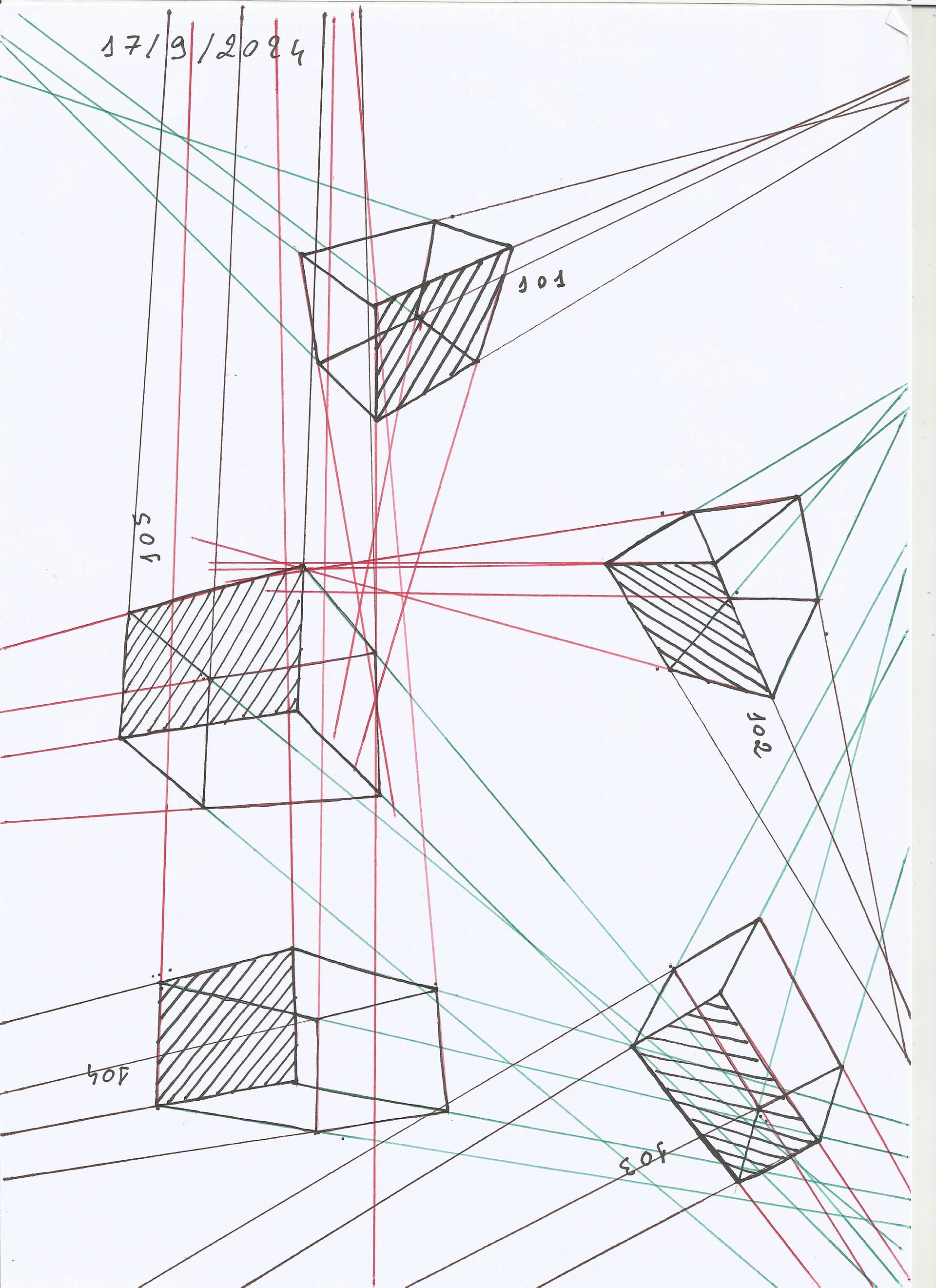
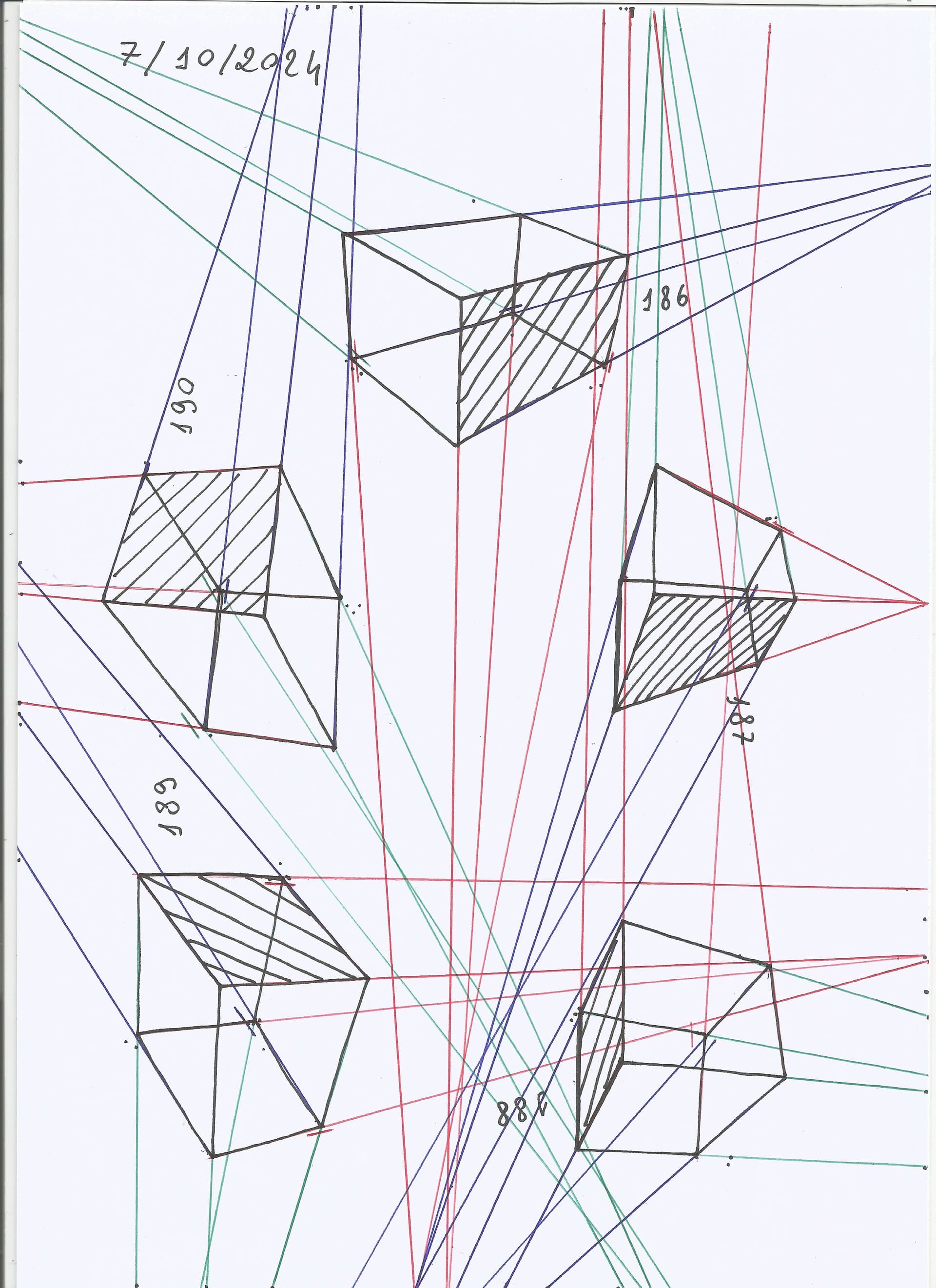
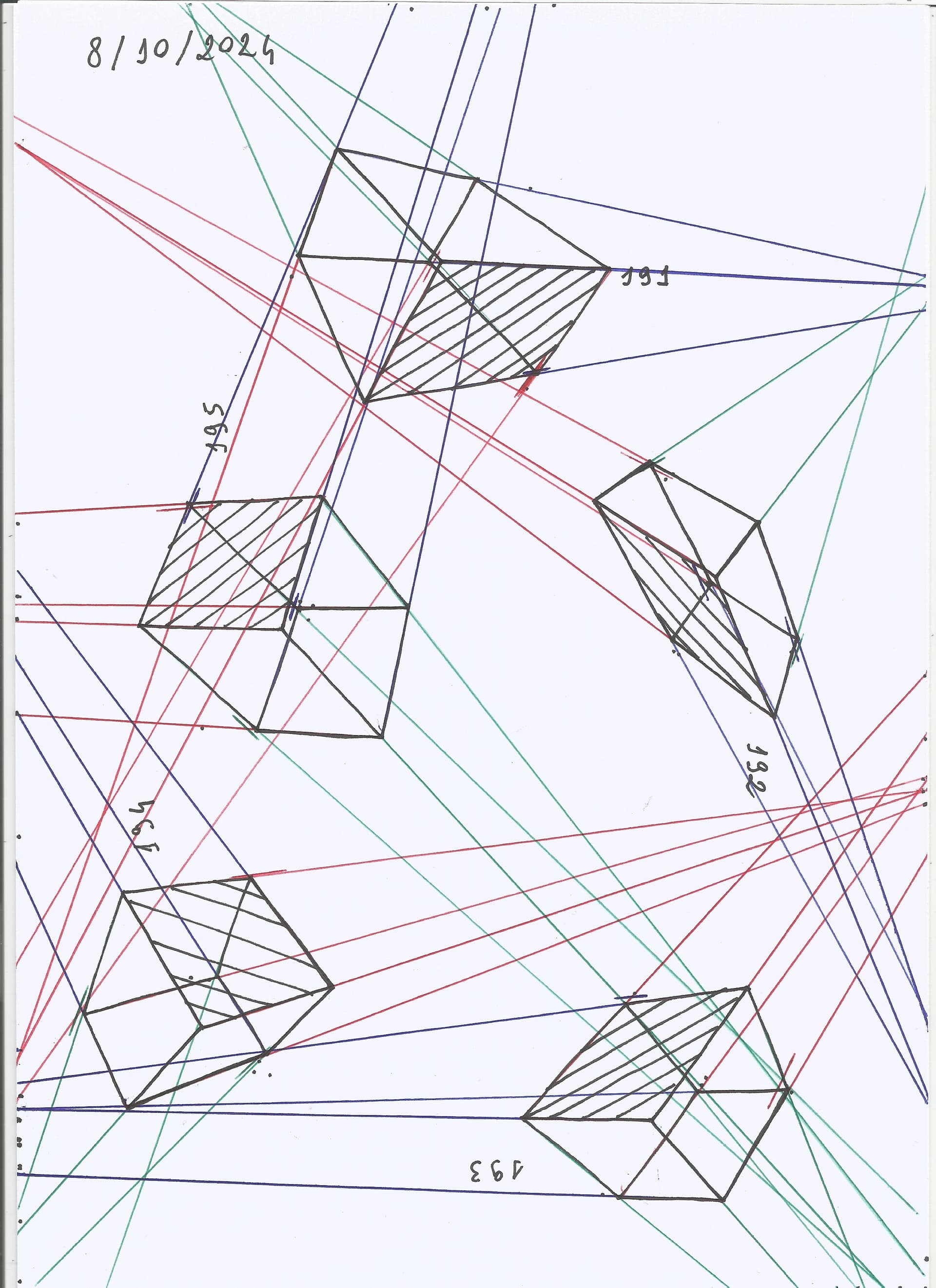
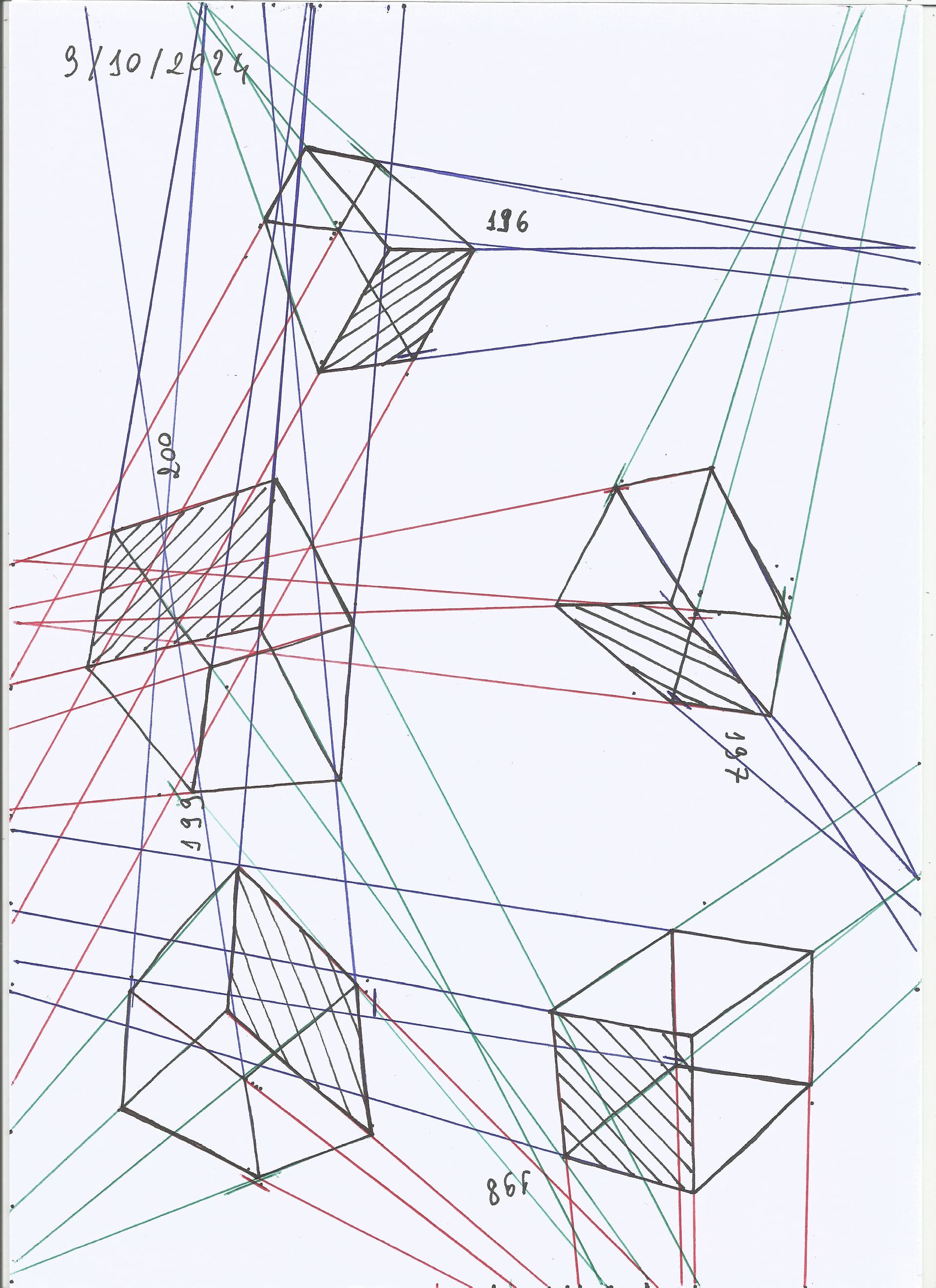
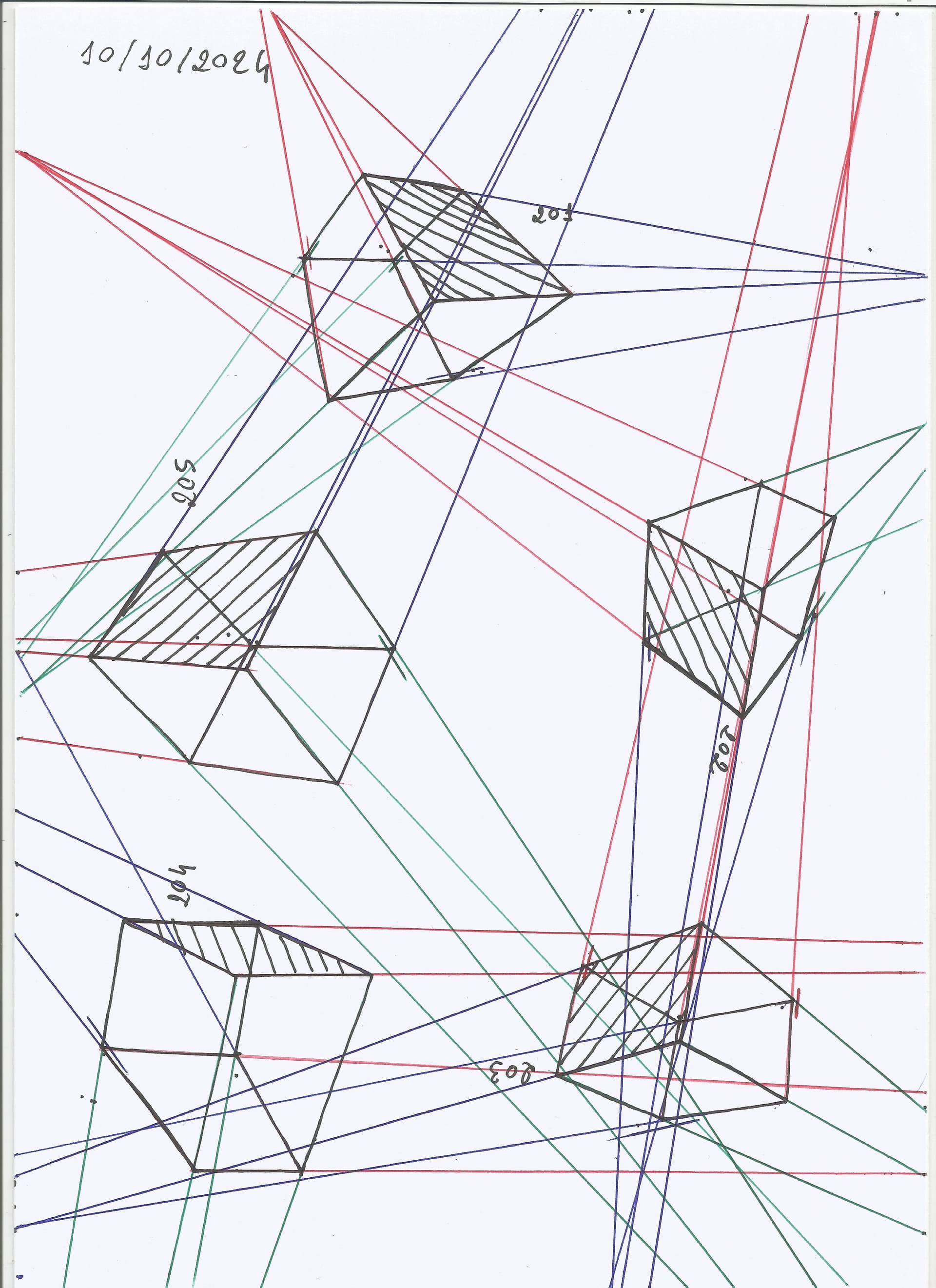
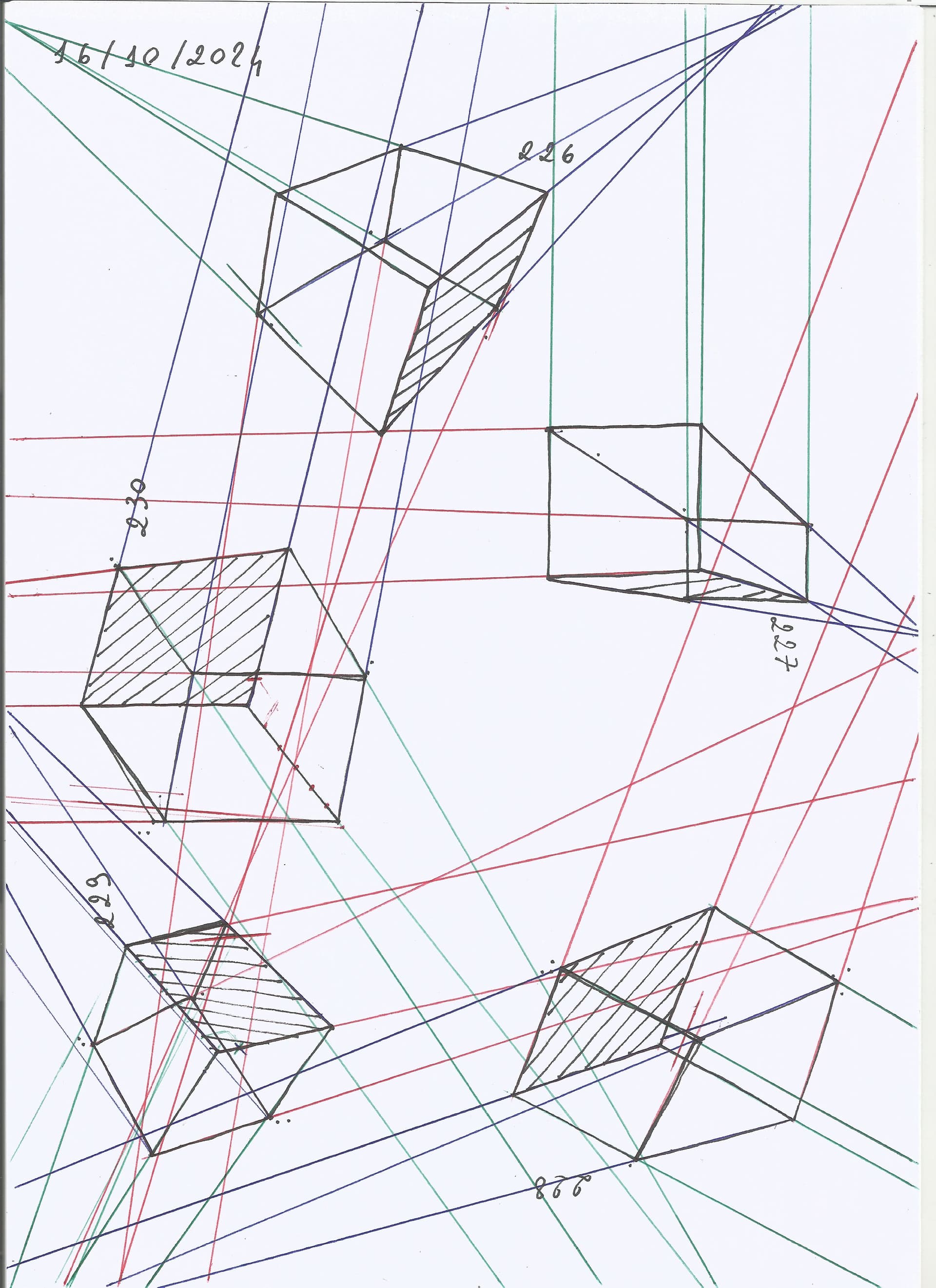
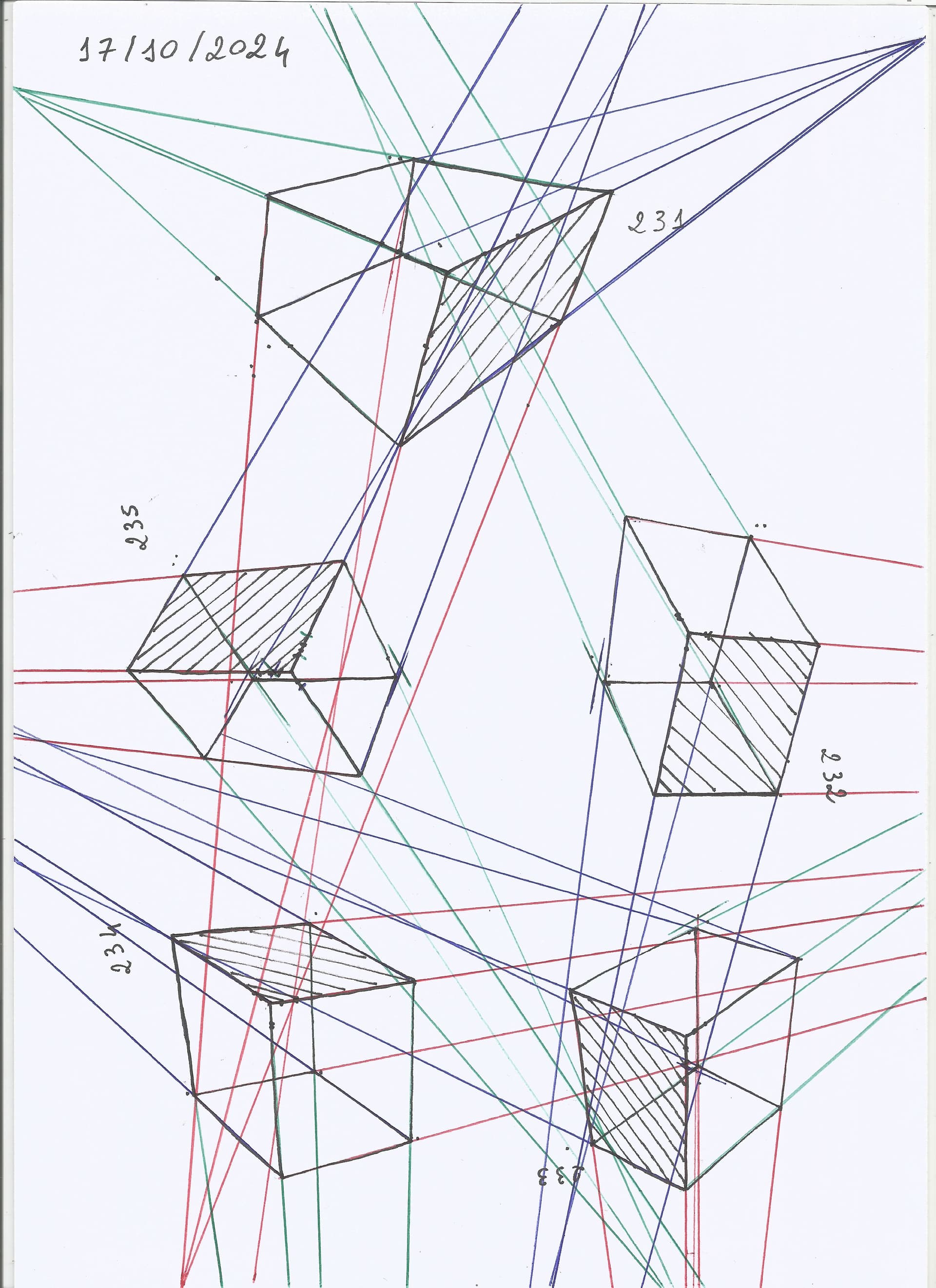
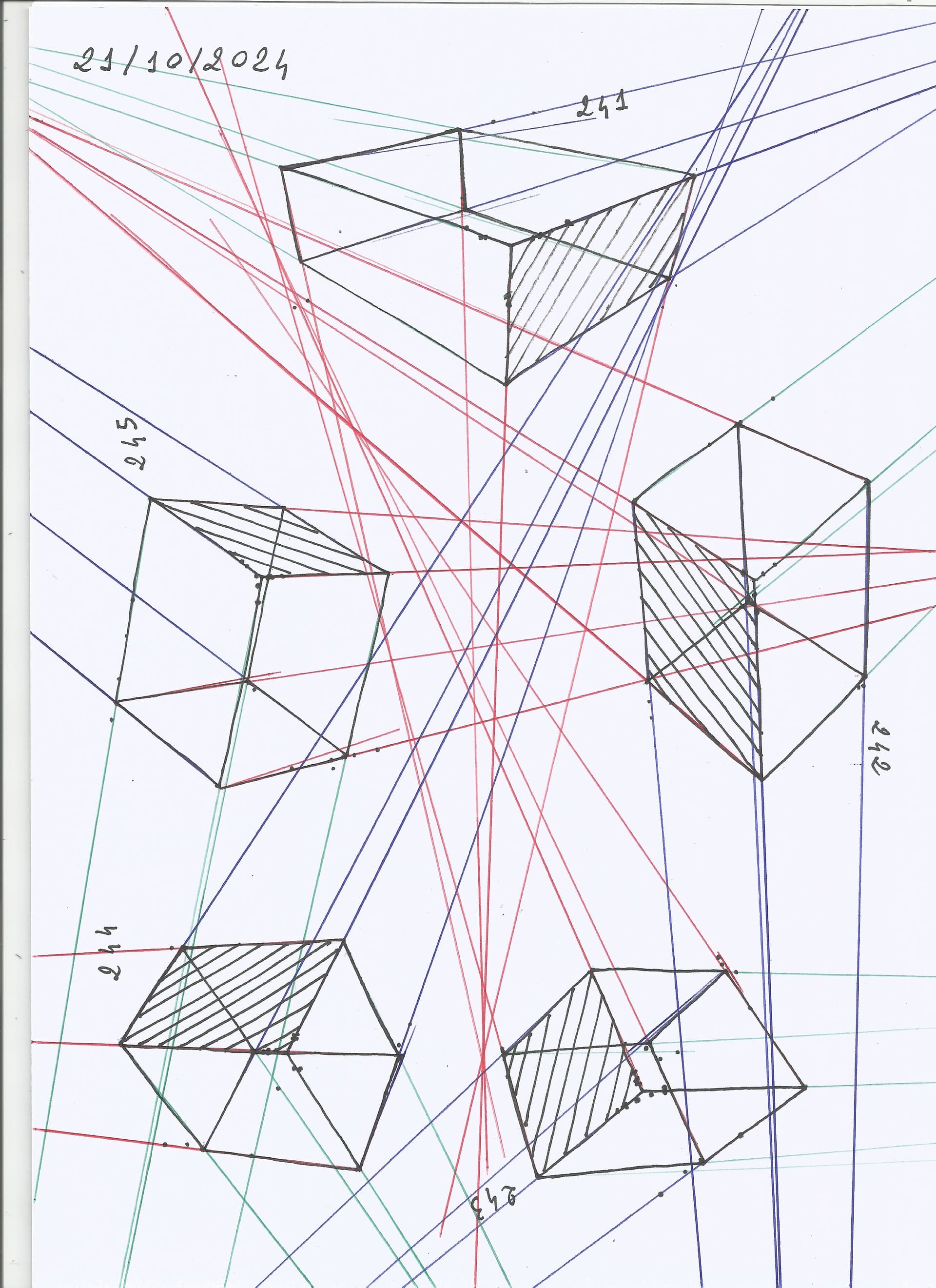
And here are the first 50 of the next 150 where some boxes have the vanishing point on the paper (but not traced on it) and others have the vanishing point far on the distance:
6 Likes
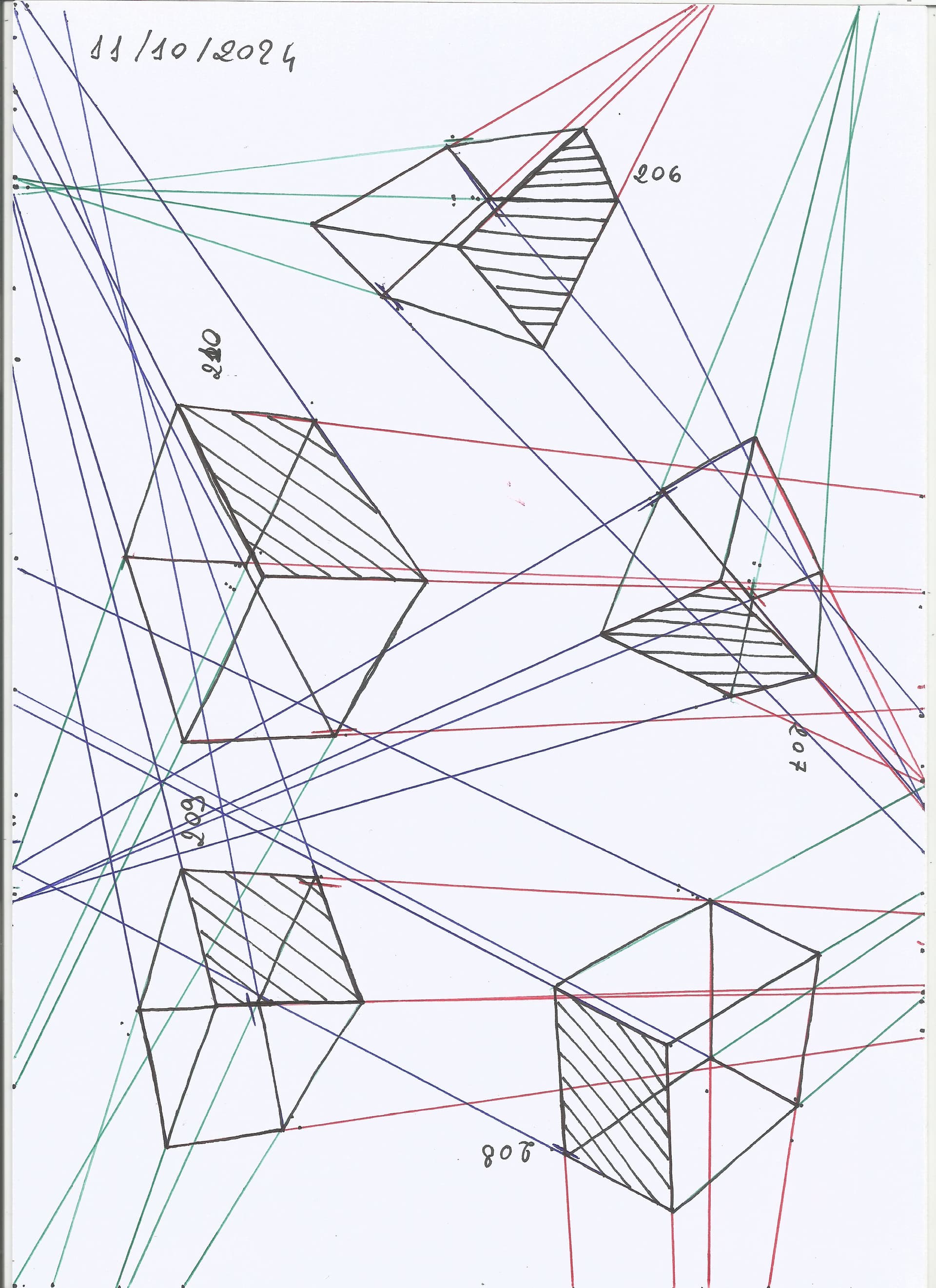
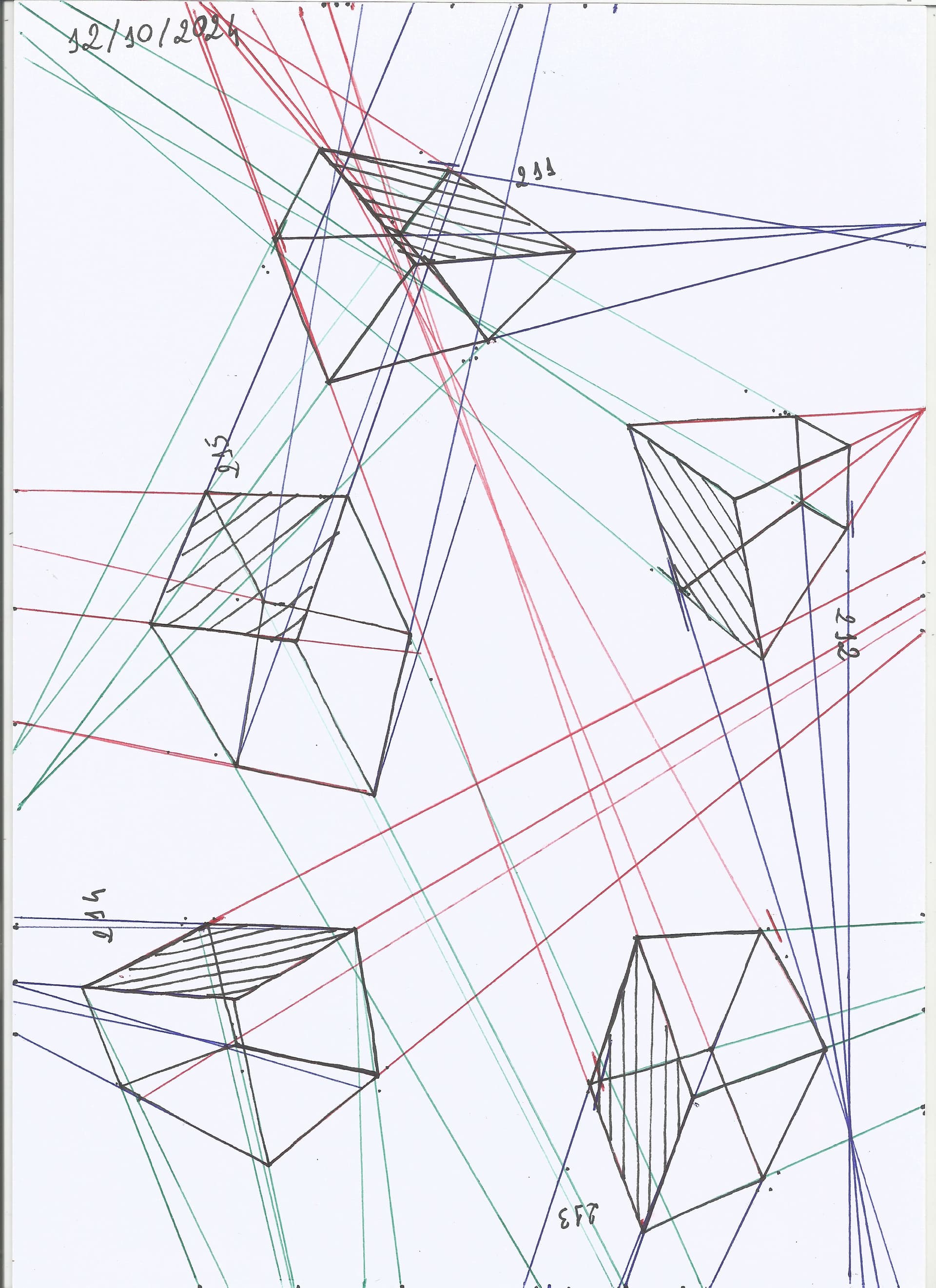
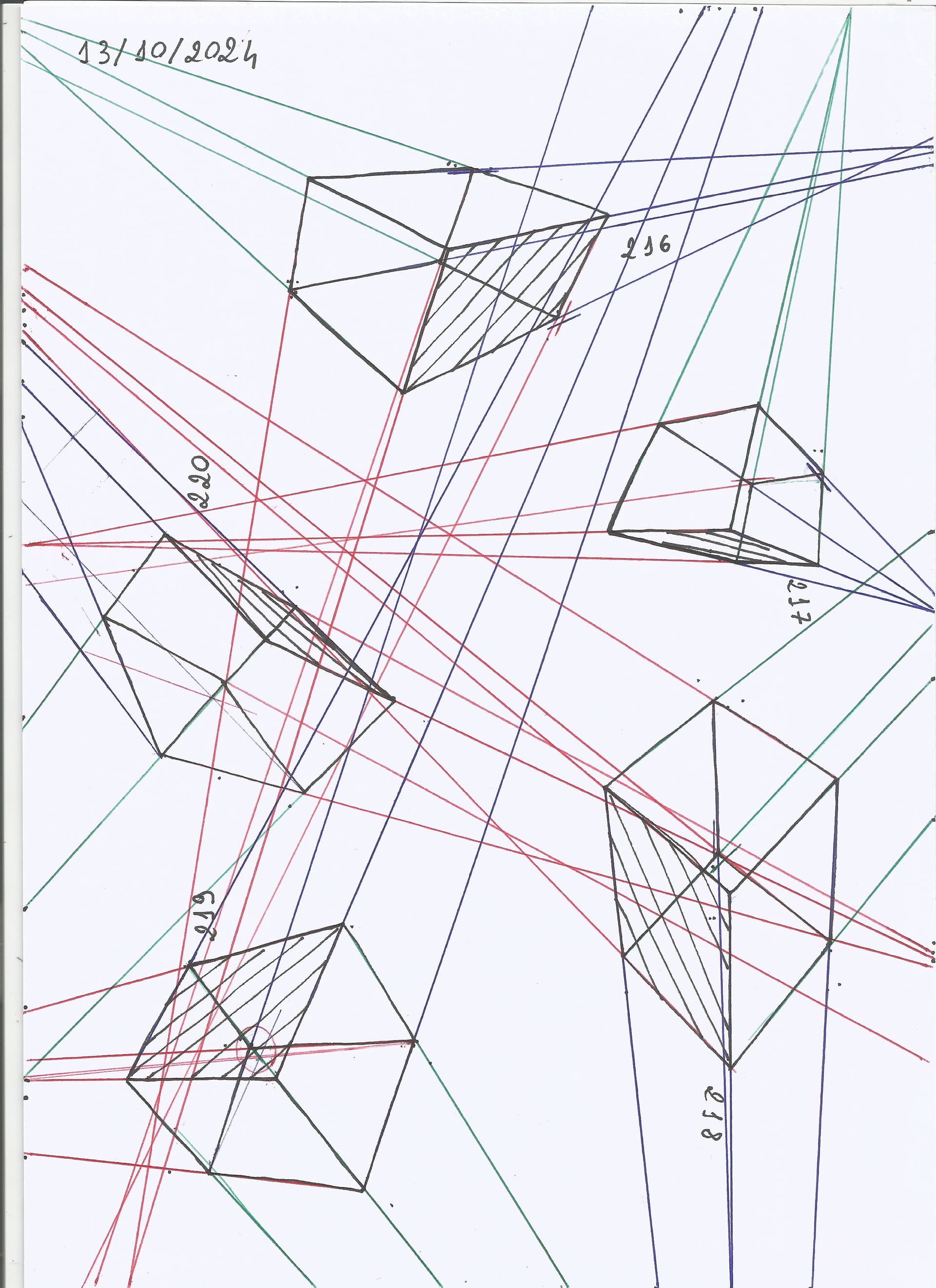
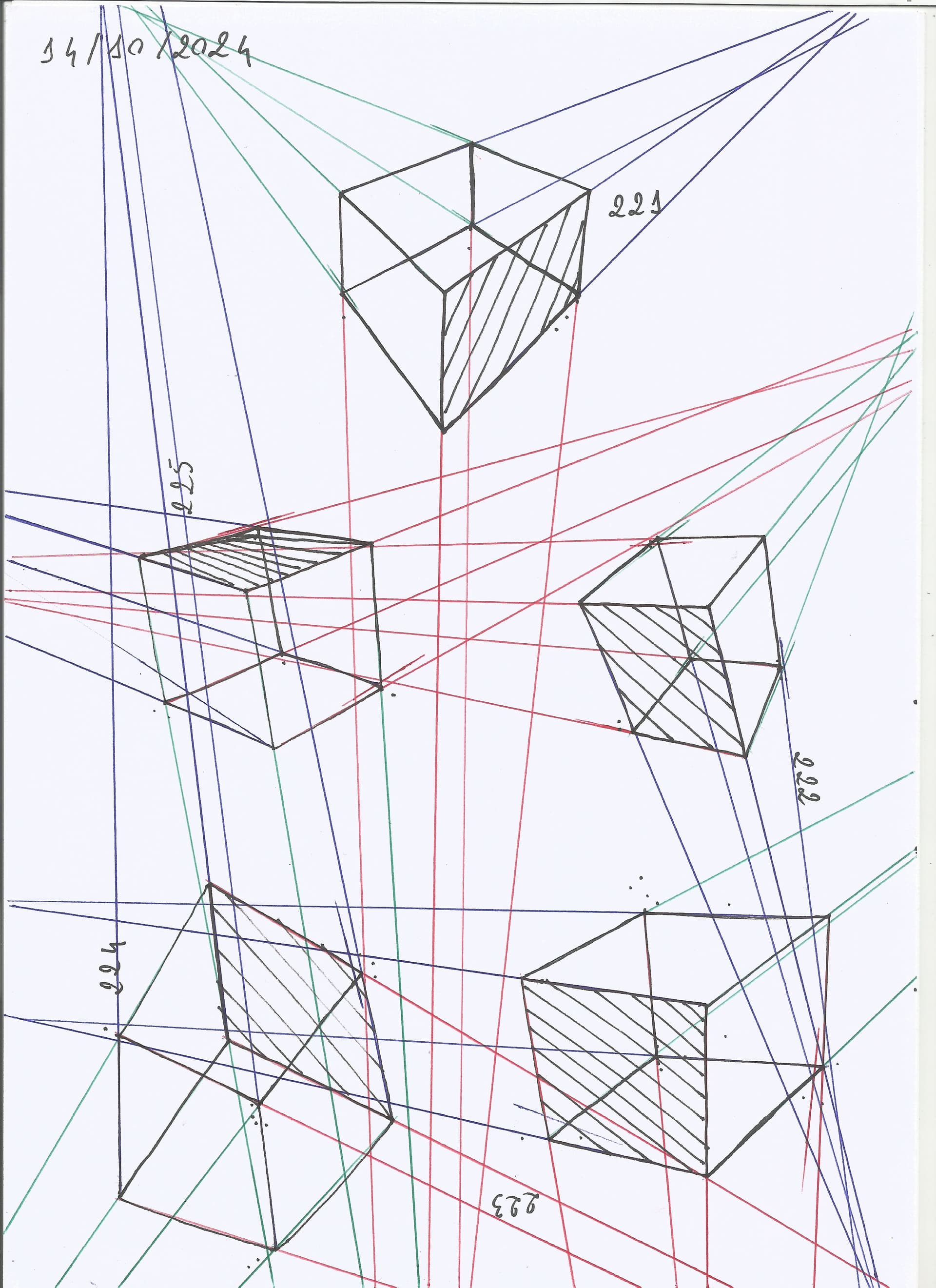
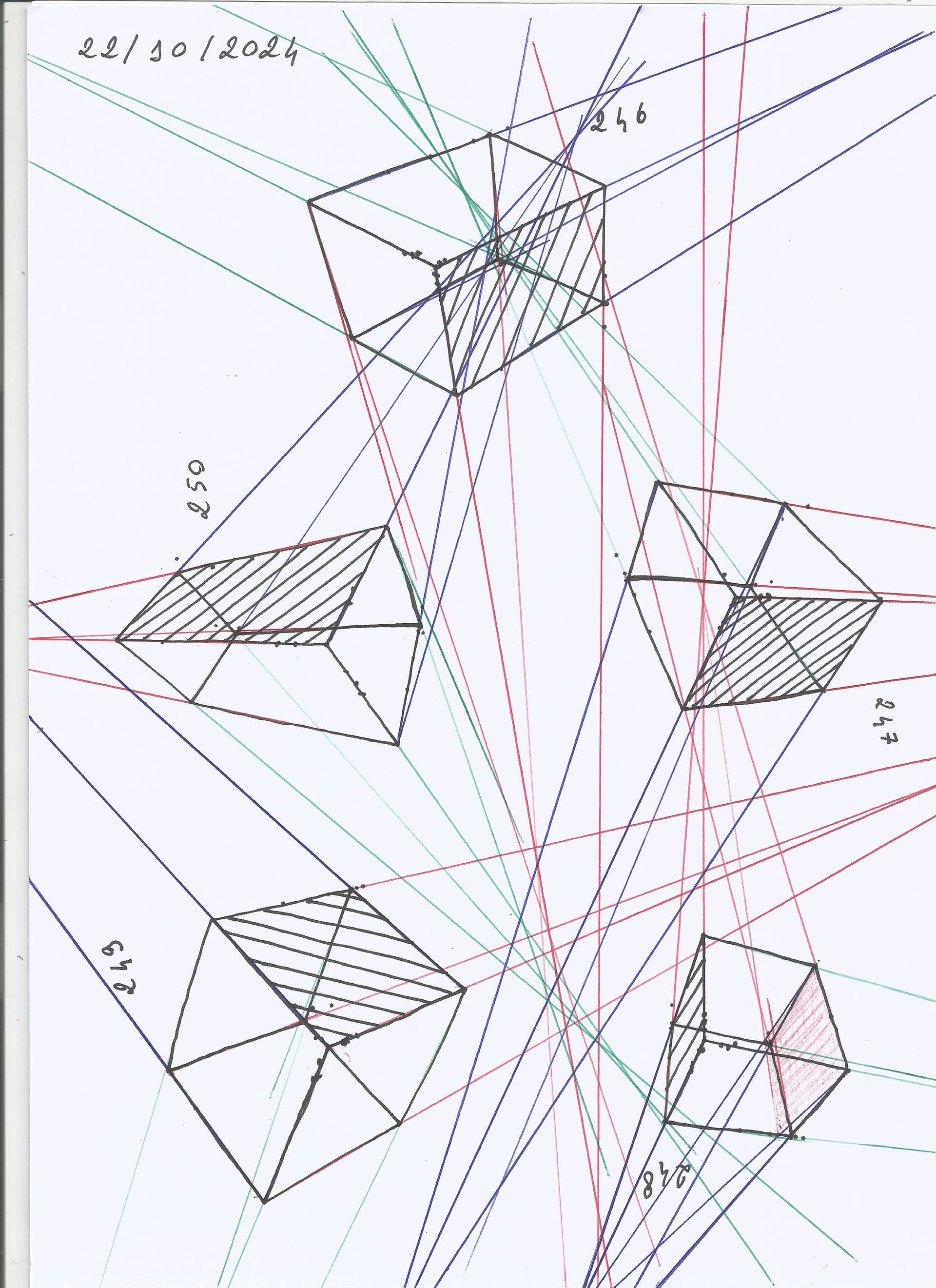
And here are box 201 to box 250
7 Likes
This is admirable dedication 
1 Like
Here is what I have done for lesson 2:
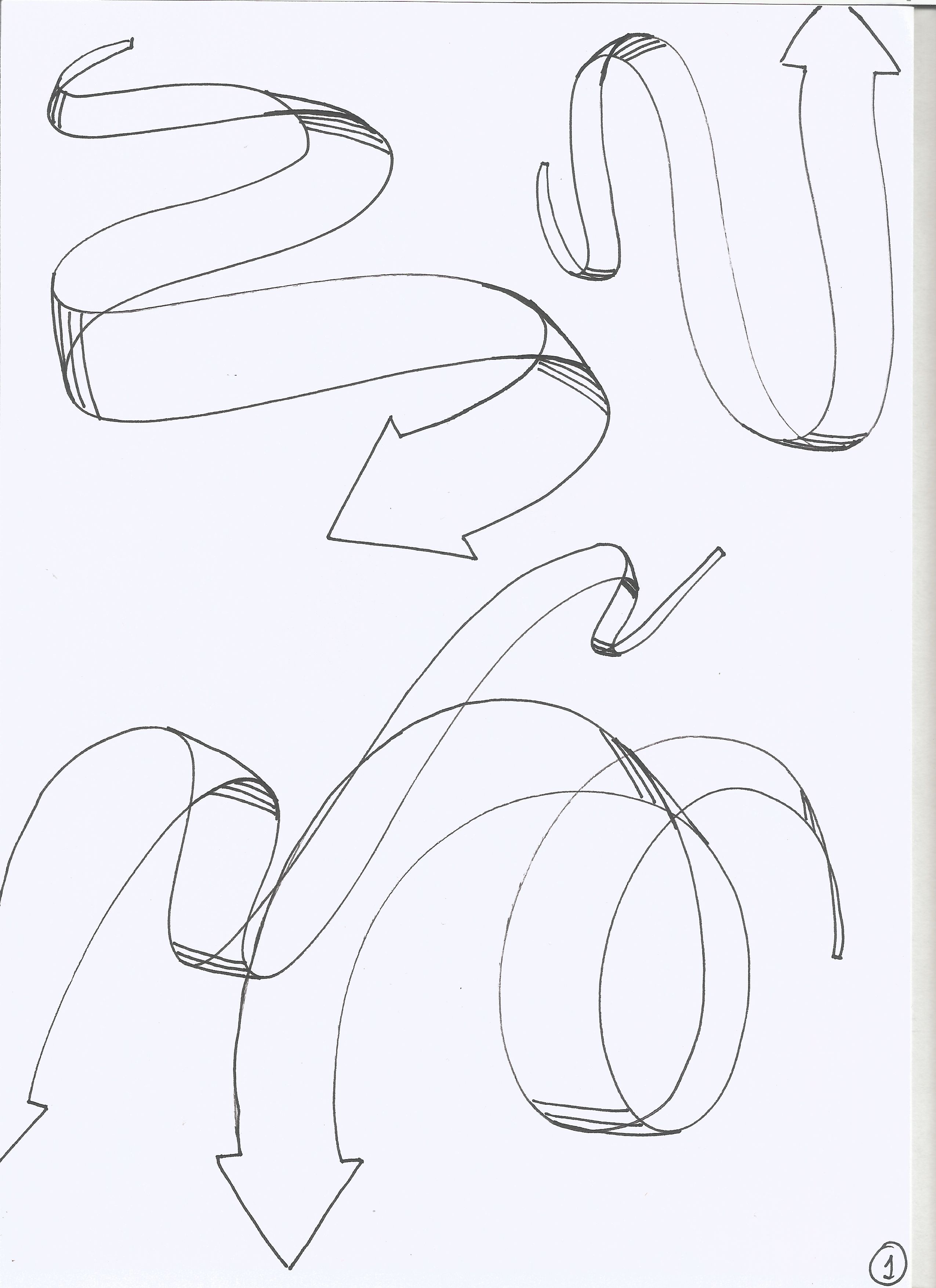
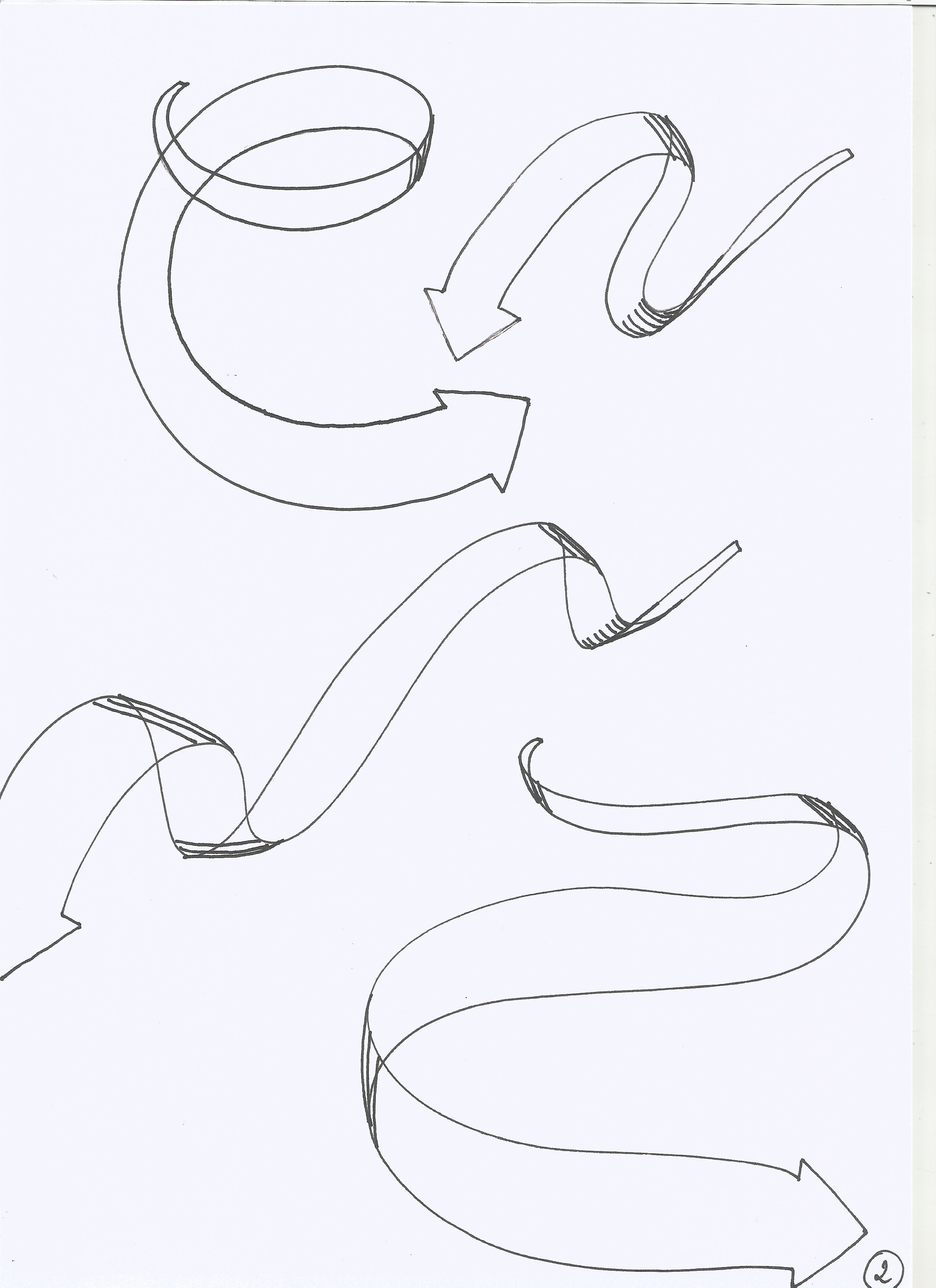
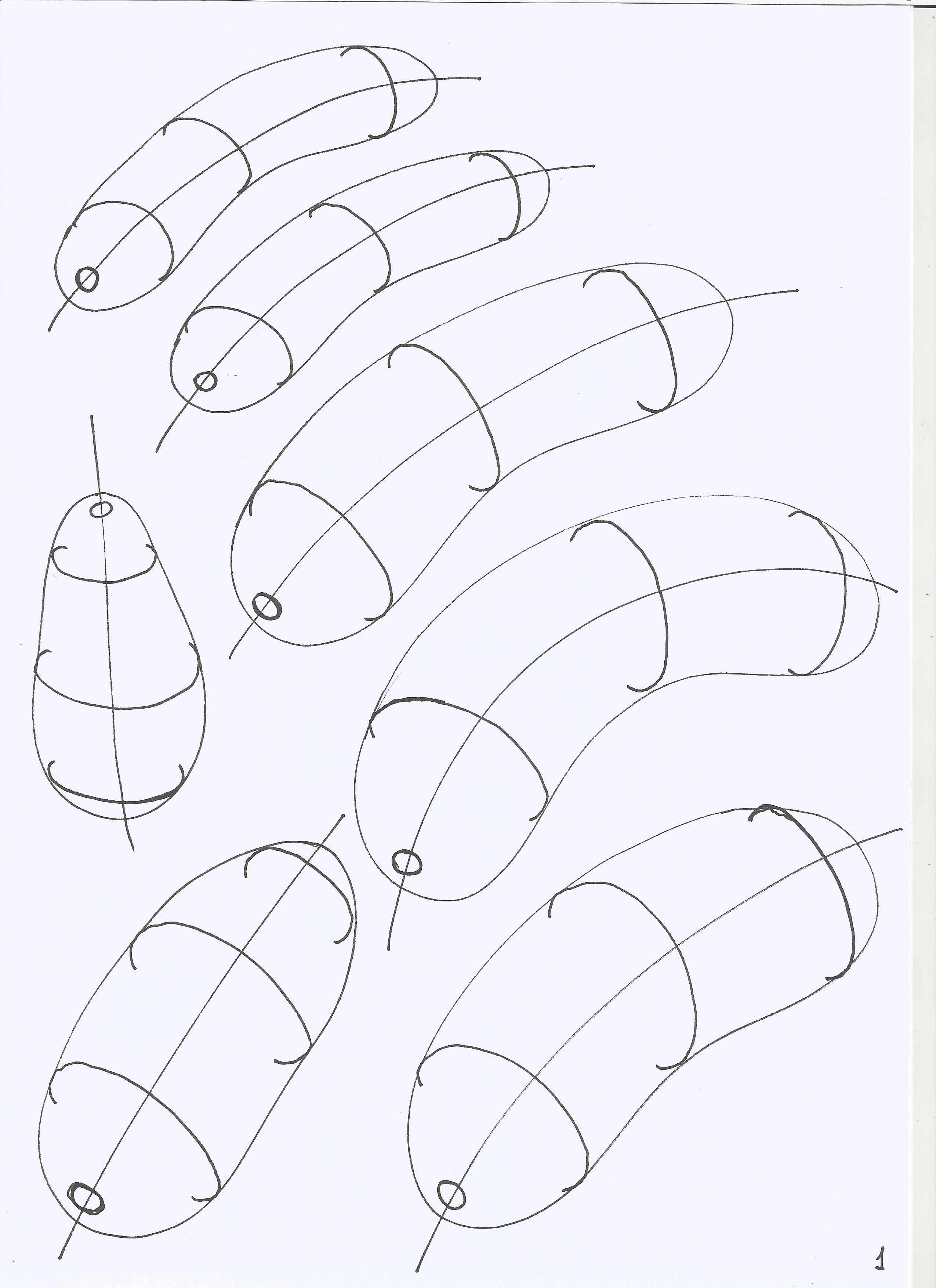
Organic arrows:
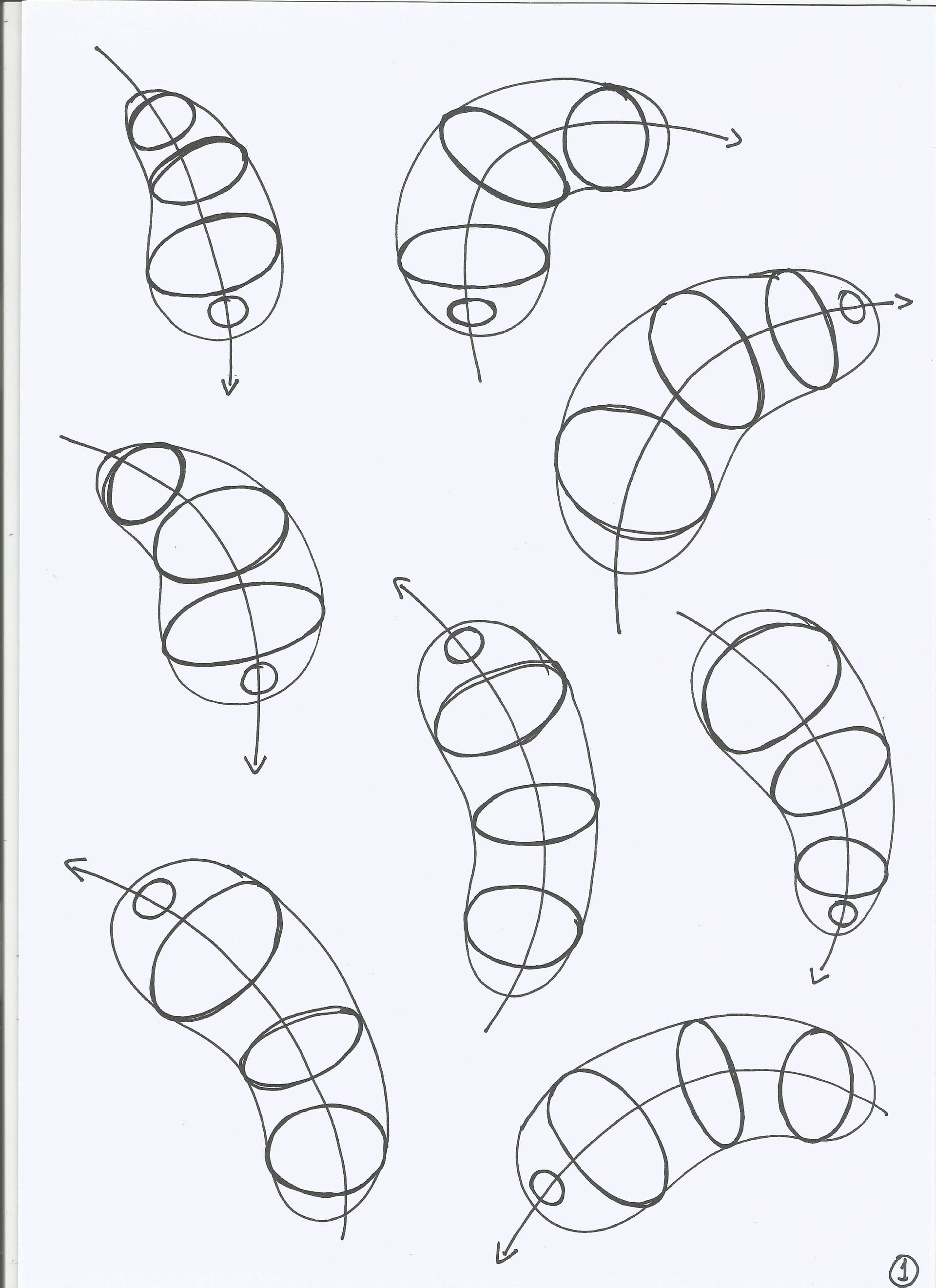
Organic forms with contour ellipses:
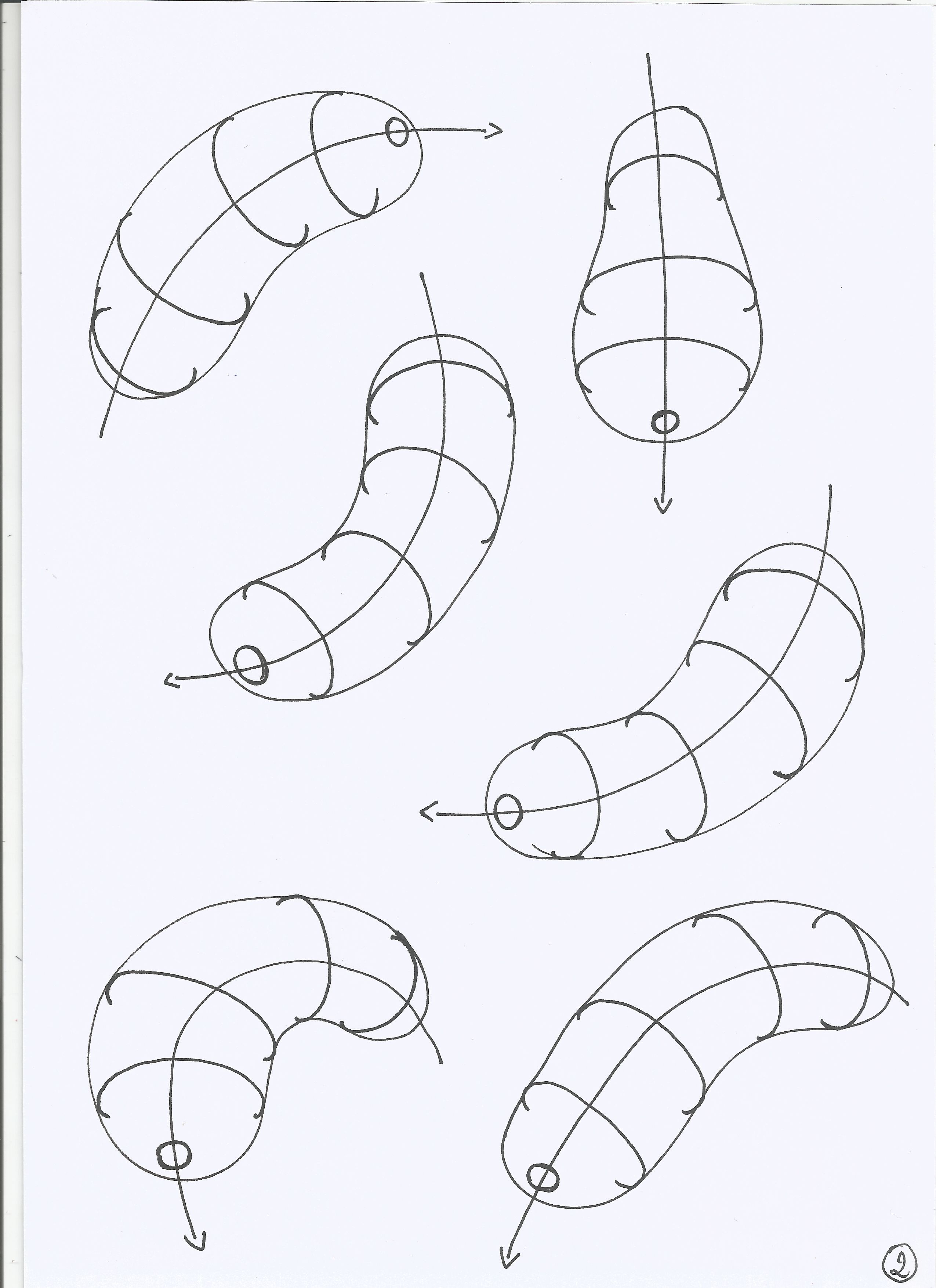
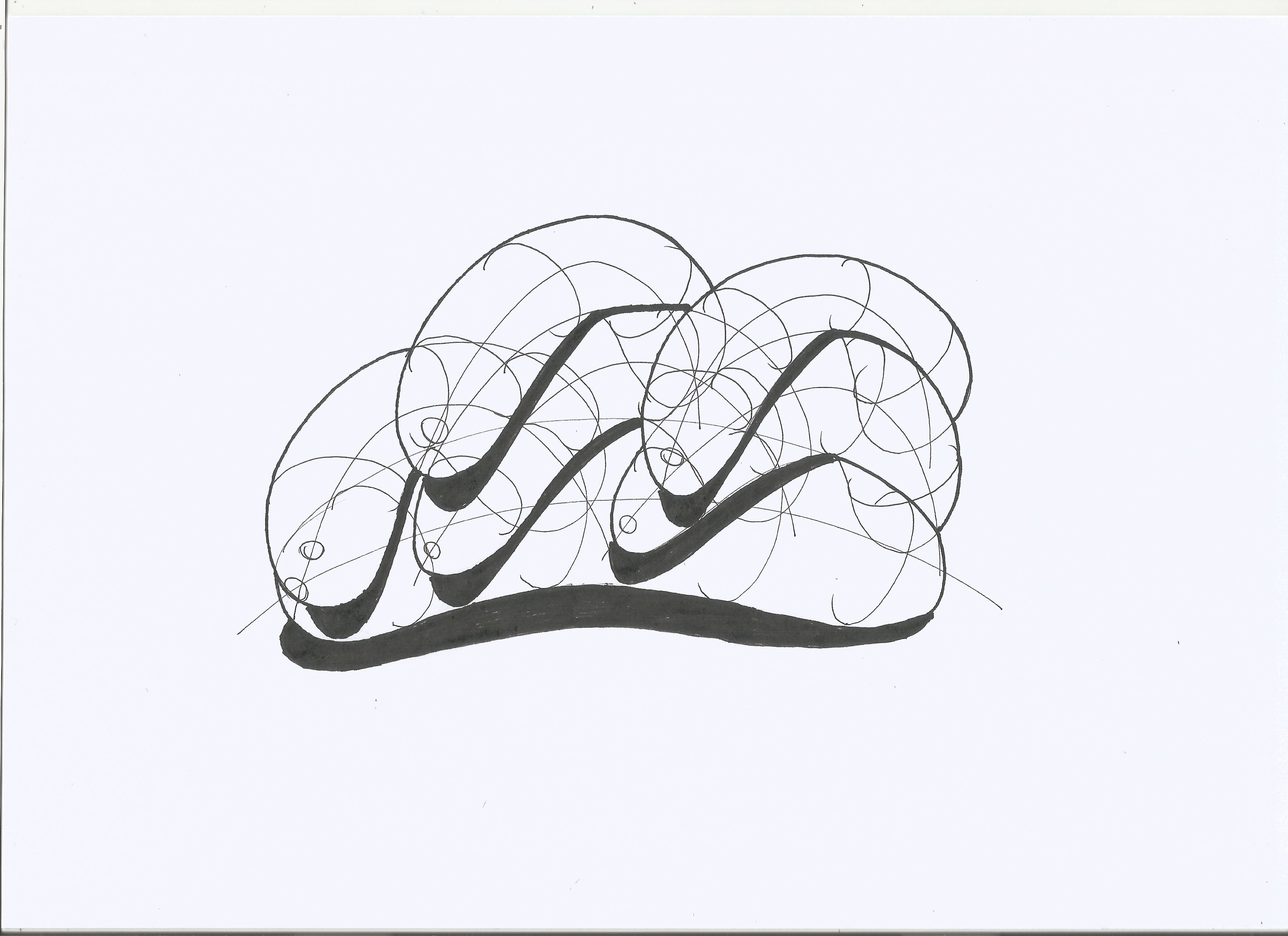
Organic forms with contour curves:
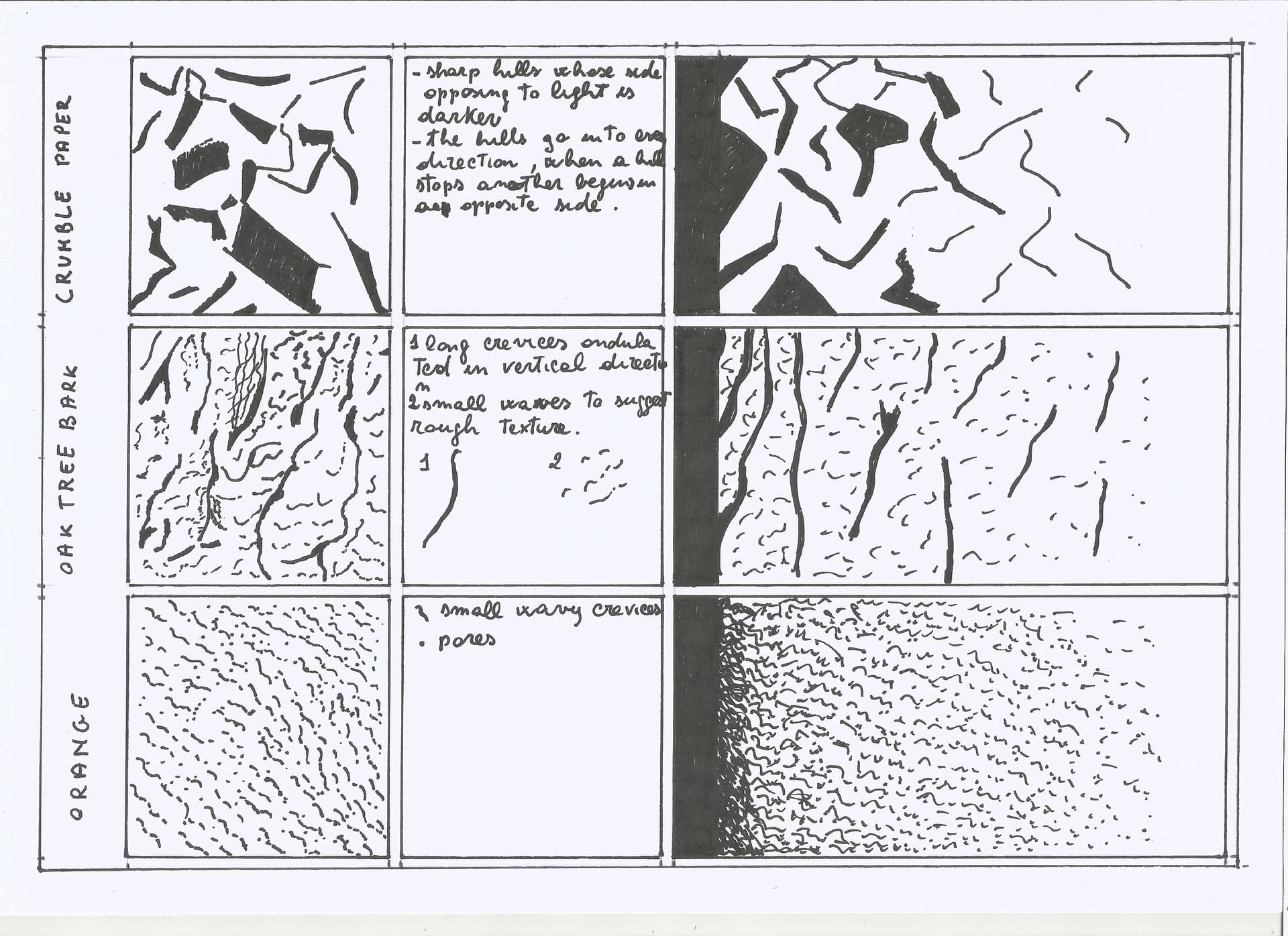
Texture analysis:
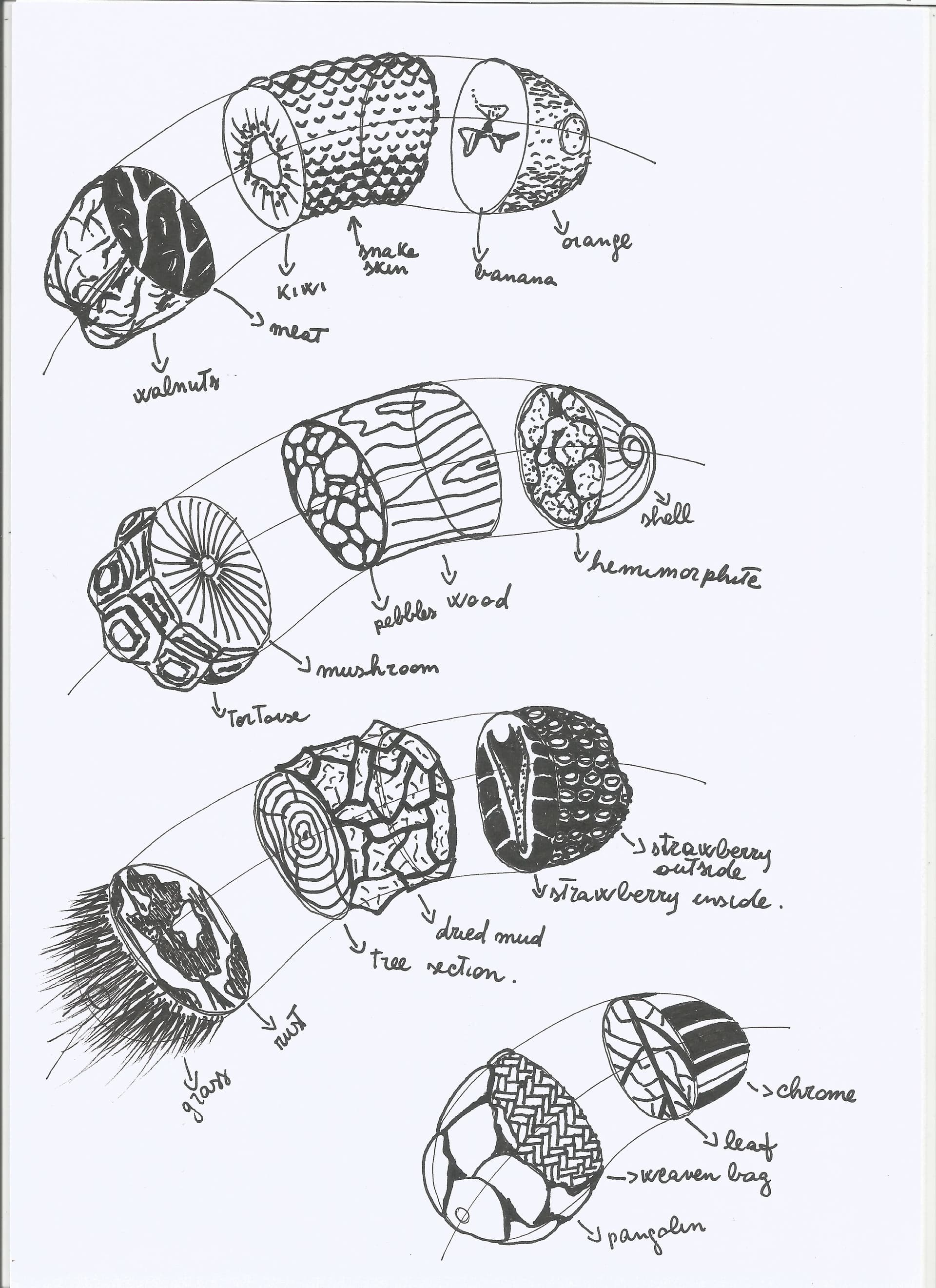
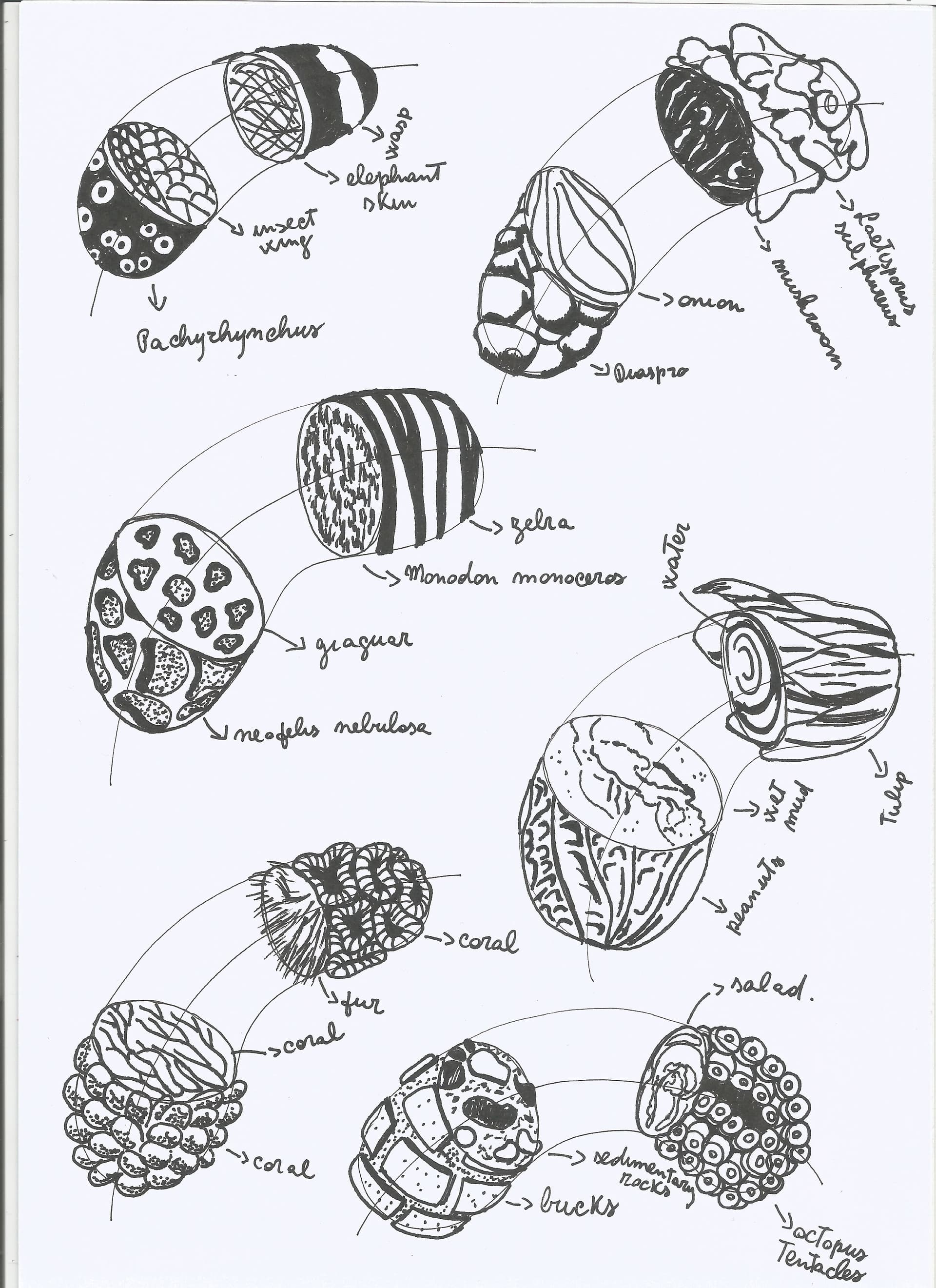
Dissections:
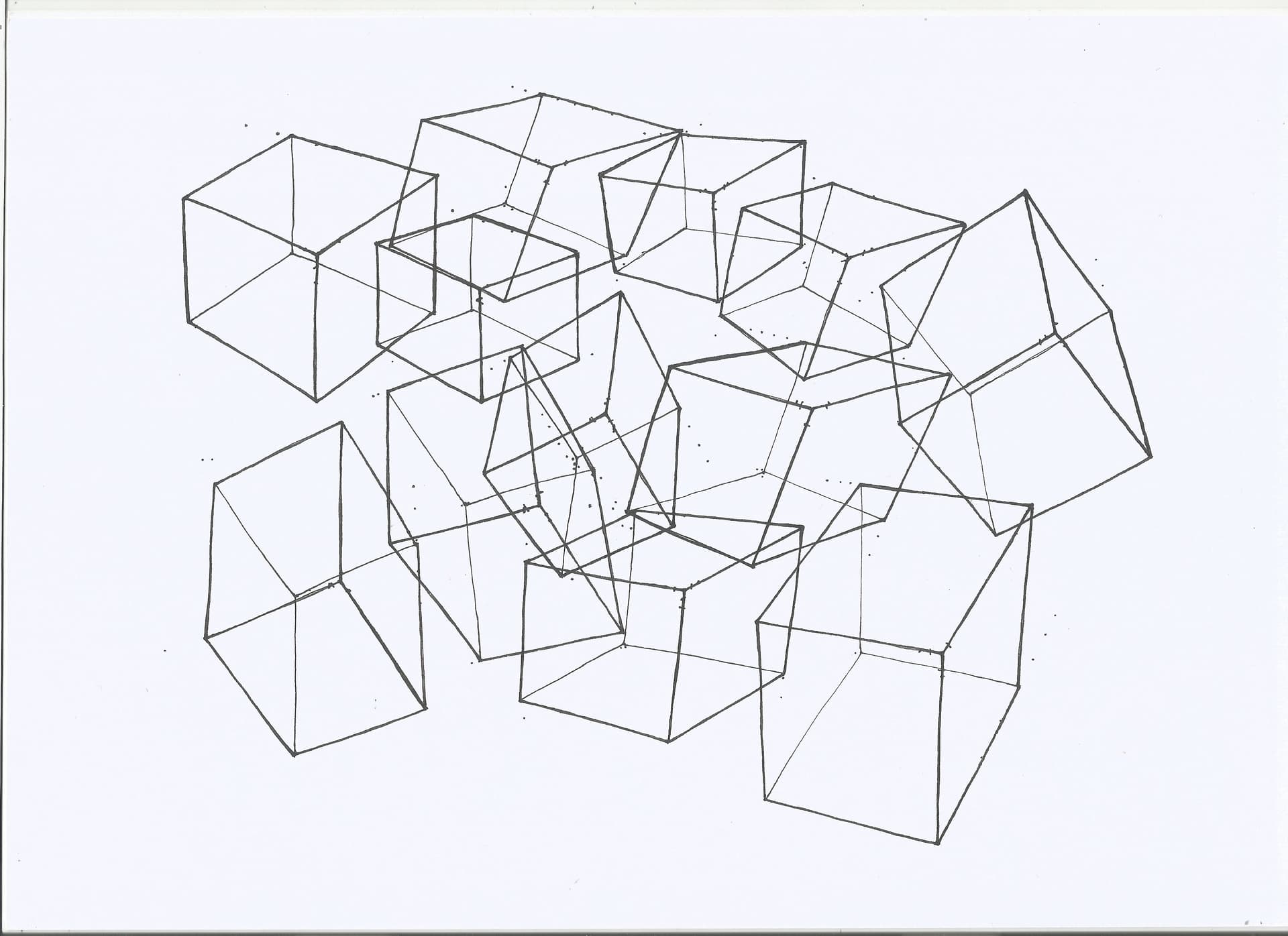
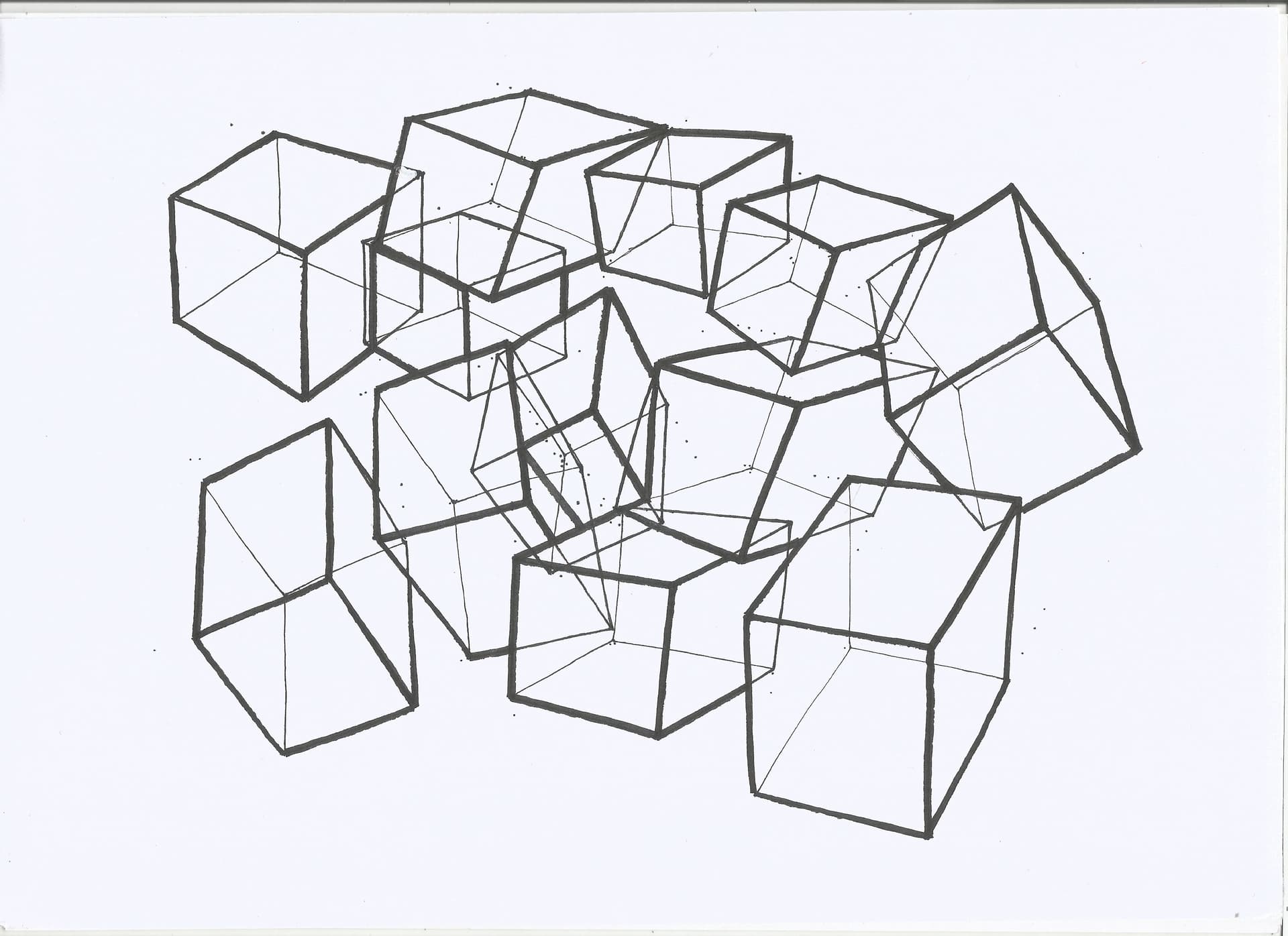
And now with form intesections I have troubles as I don’t know how to find the right intersections: I have drawn a page of boxes as you can see here below:
but I have no idea how to plot the intersections: could you help me?
Thanks in advance
5 Likes
Here is what I have done with the intersecting boxes, let me know if it is right or wrong:
4 Likes
You are doing it excellent! Congratulations!
It only gets “really funny” when you have to draw intersections of irregular and conical workpieces. For example, a truncated cone with an elliptical base cut off at an angle and then stuck through a sphere or another truncated cone with an irregular pentagon as a baseplate. The resulting cut edges have caused quite a few people to despair.
1 Like
And here are the remaining exercises for lesson 2:
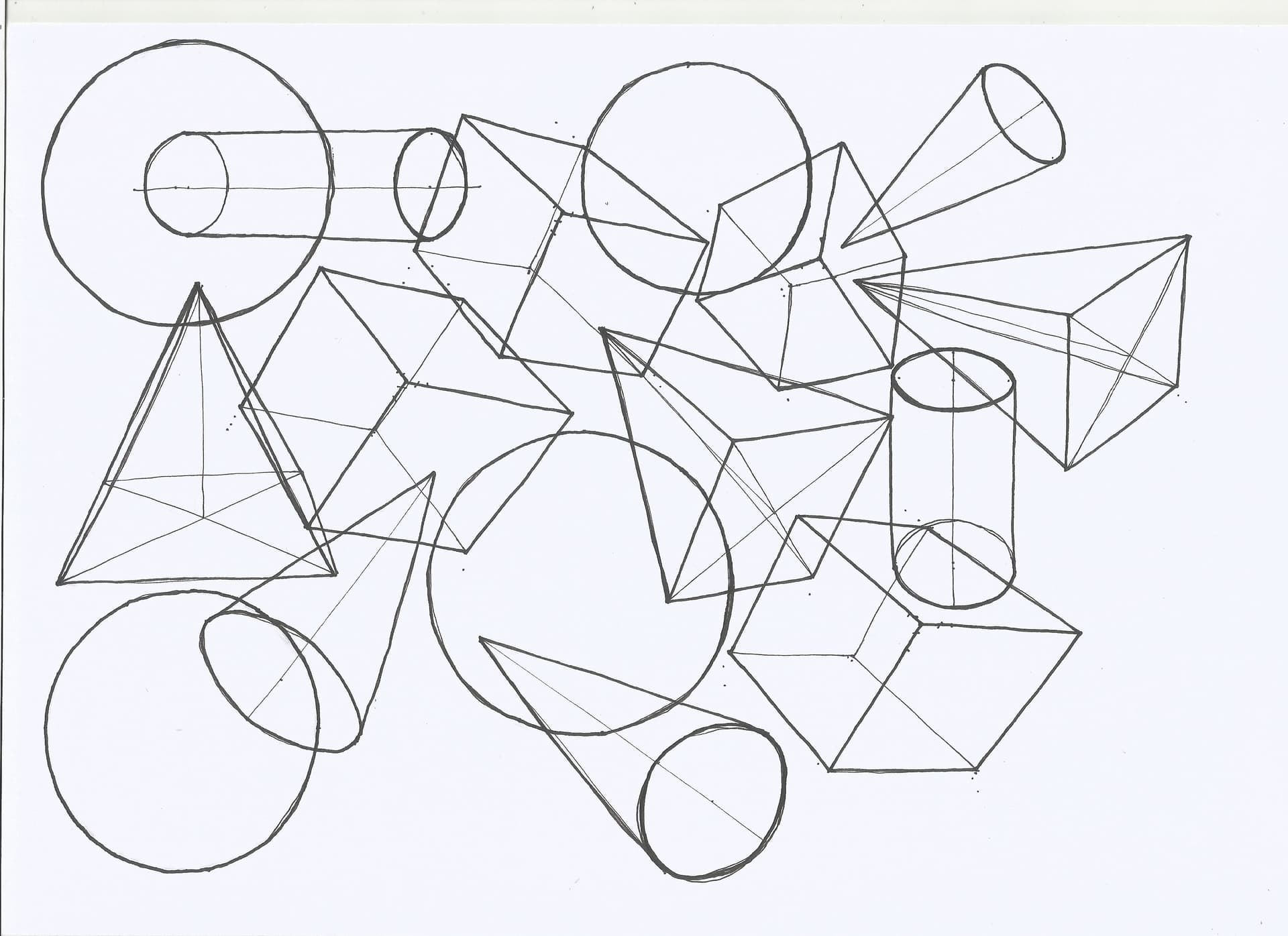
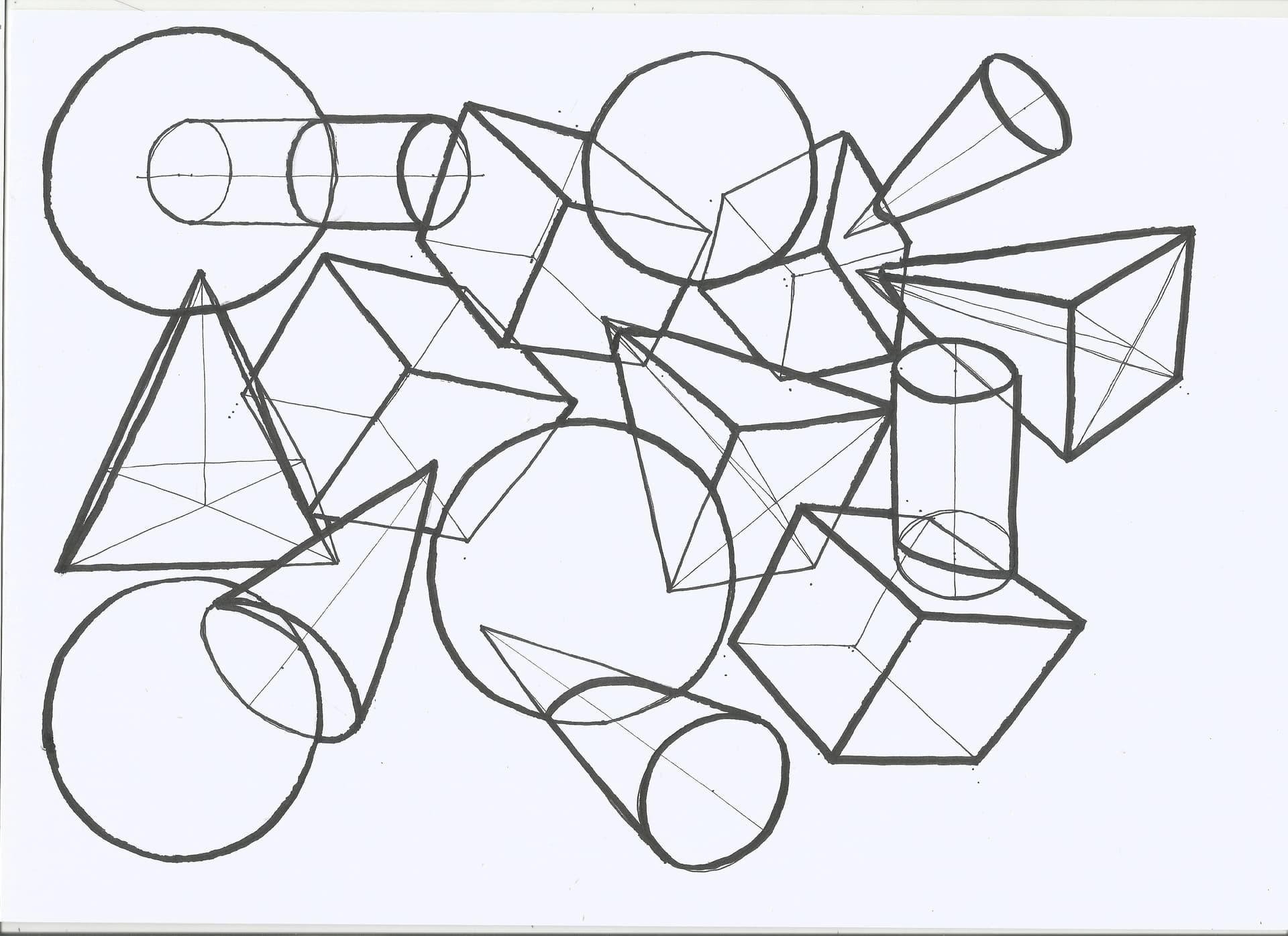
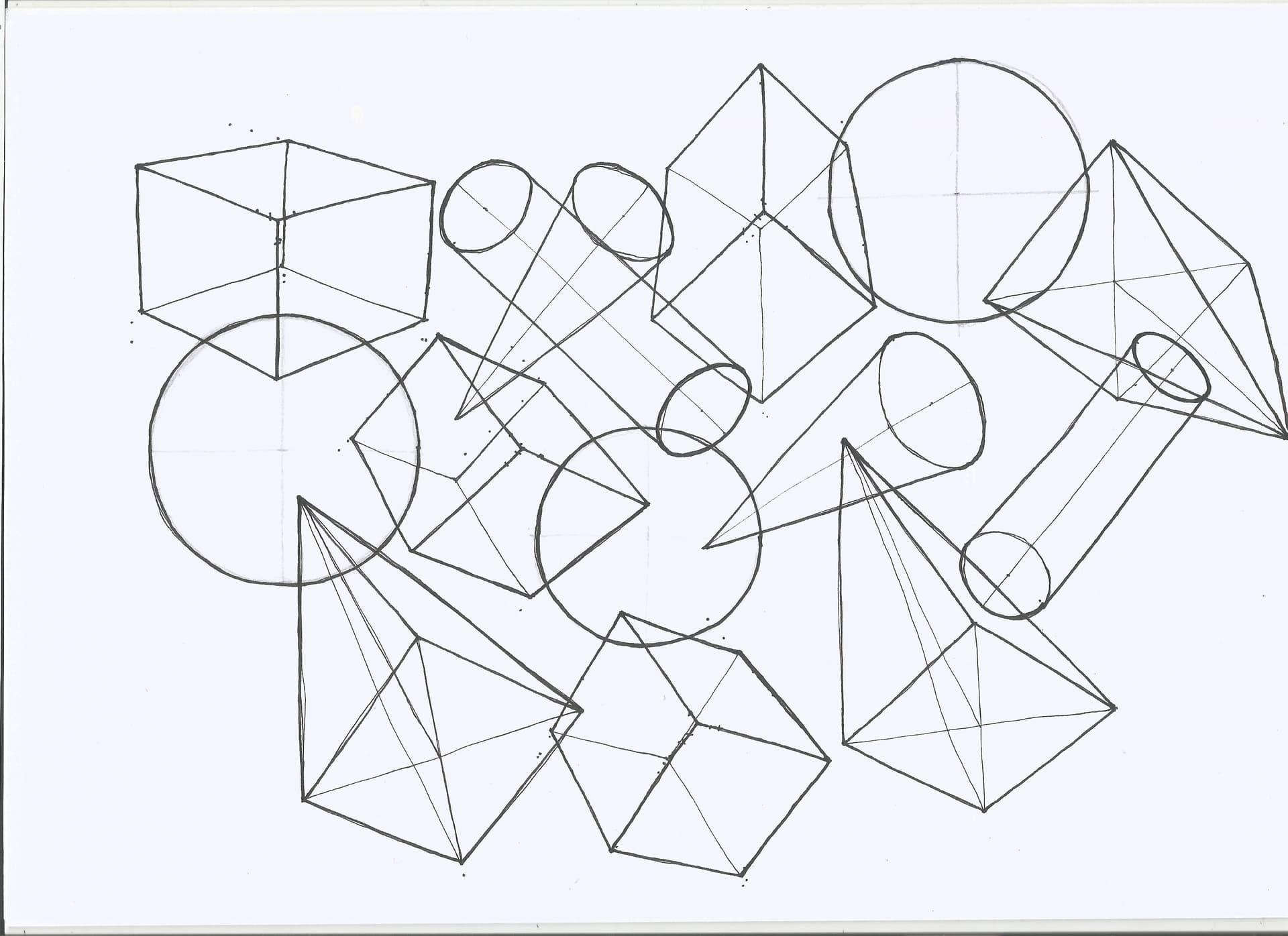
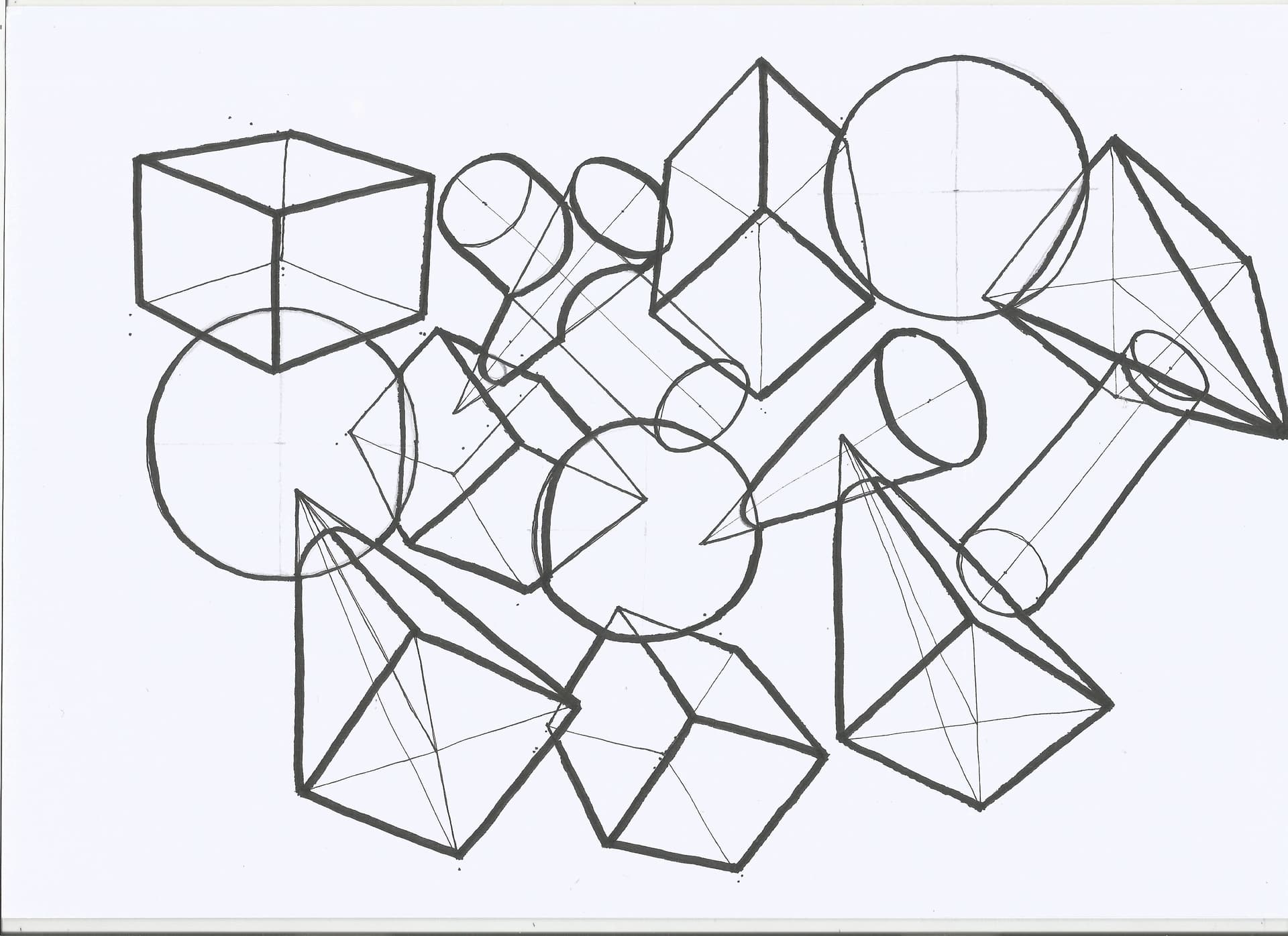
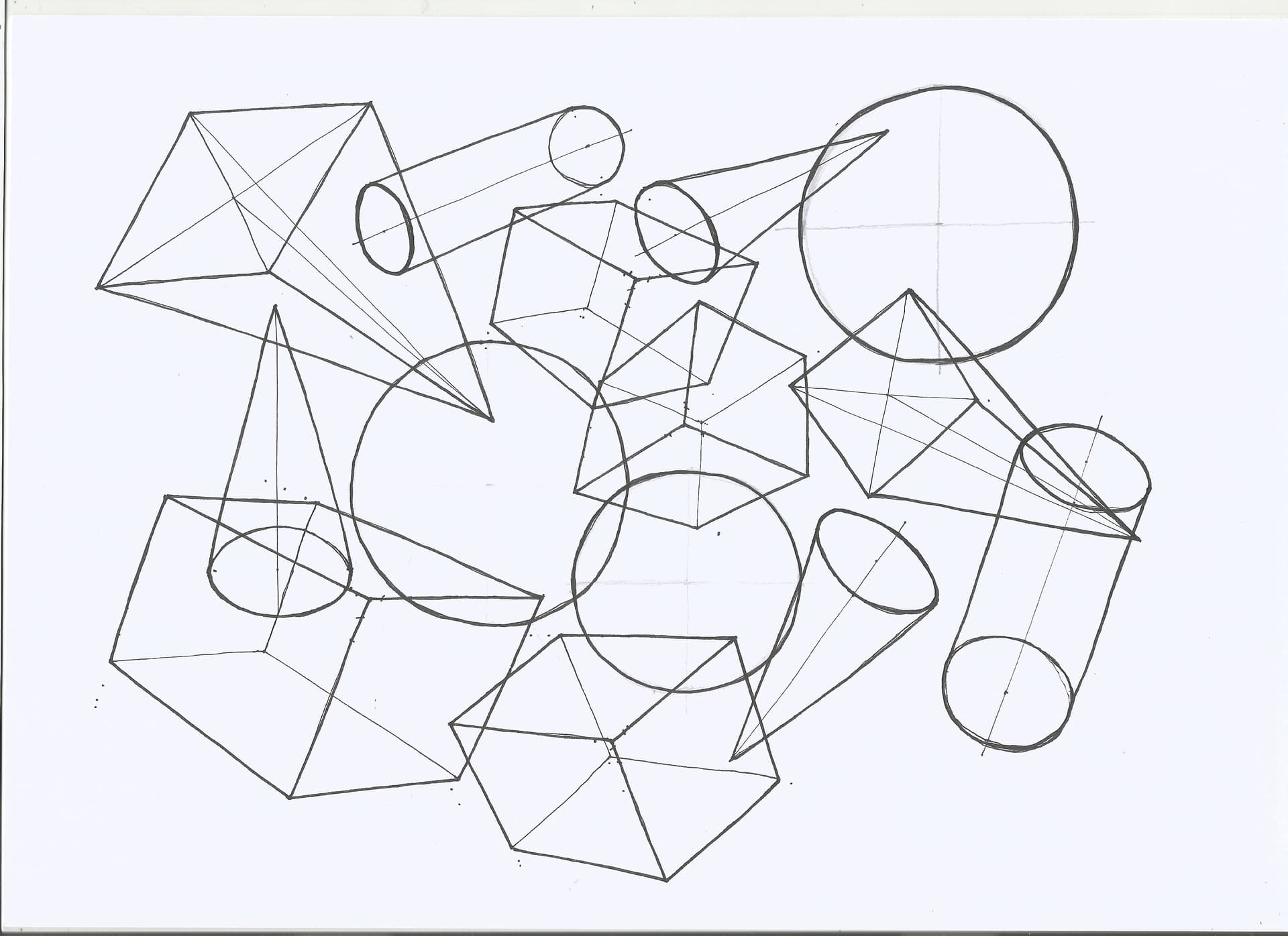
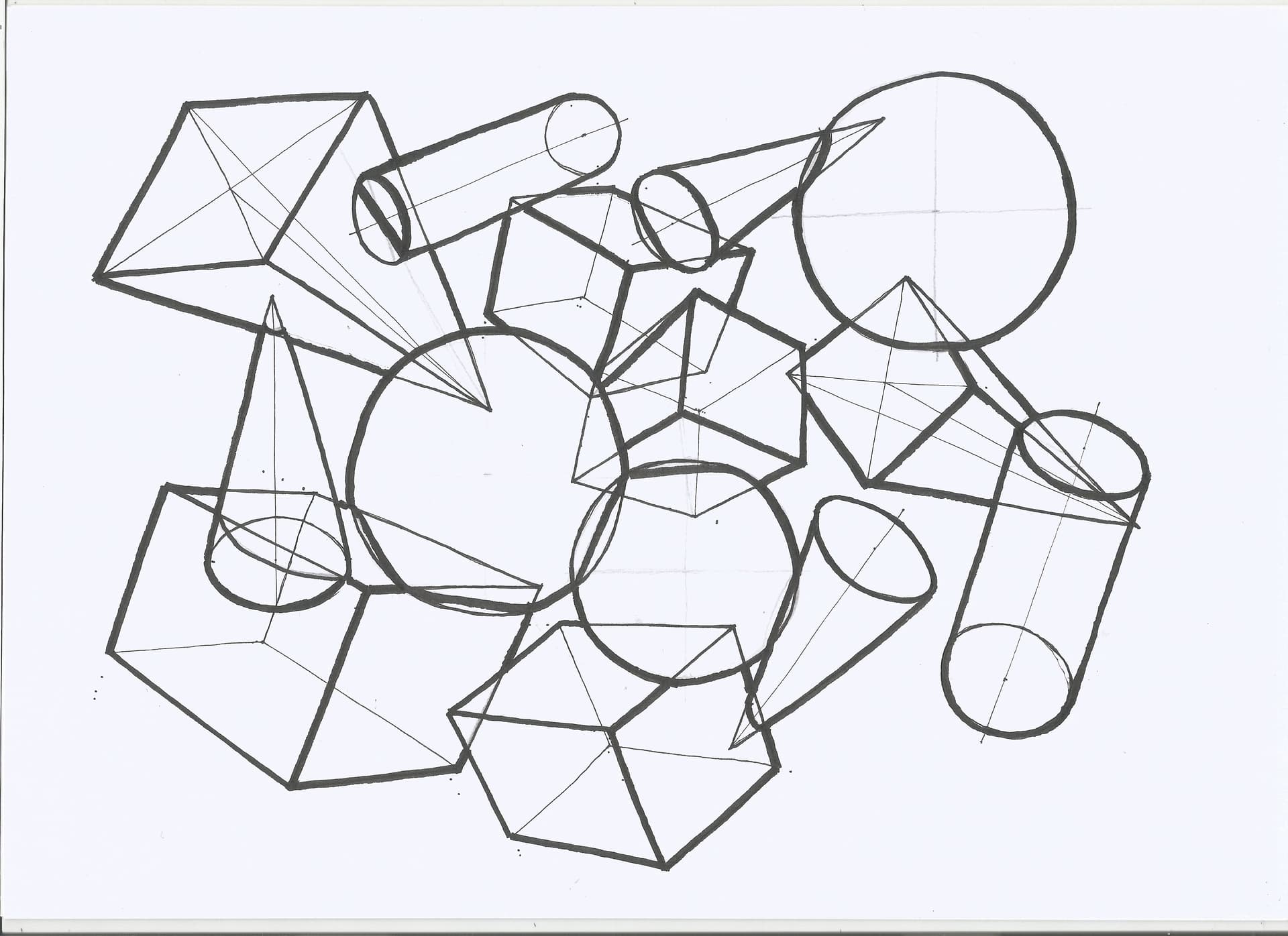
Form intersections:
before:
after:
before:
after:
before:
after:
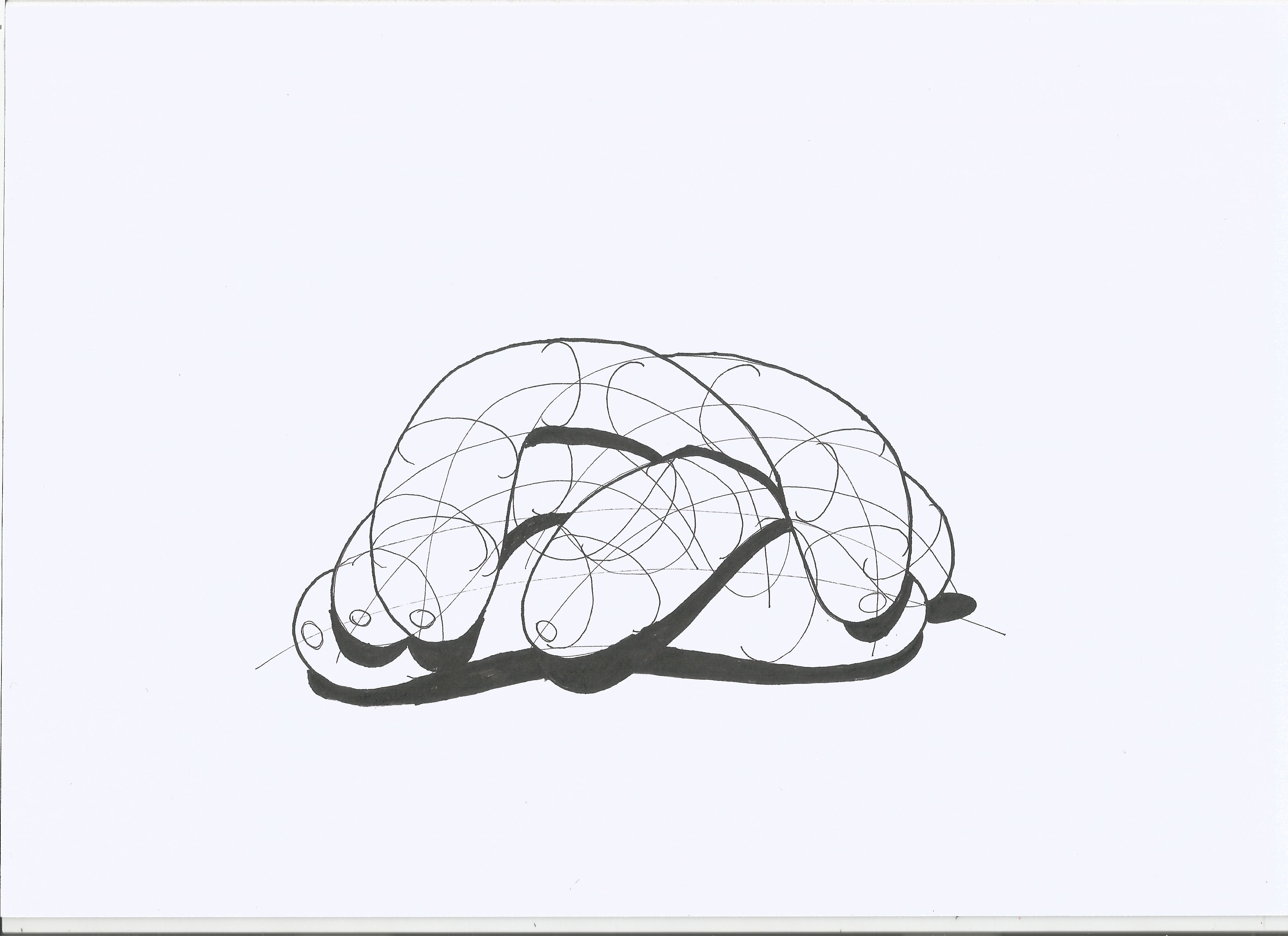
Organic intersections:
P.s. I have found very difficult the form intersections exercise so if i made any mistakes please let me know
3 Likes
That is nearly impossible to say without a 3 side view, like in a technical drawing. One must have at least the description of the challenge to get an idea about it being right or wrong.
Michelist
1 Like
The exercise consists in drawing cones, pyramides, boxes, cylinders, spheres all over the paper and then find the intersections.
It must be interesting/difficult to decide if an object is in front of or behind another object. I noticed the differences in your interpretation of the intersection lines.
Good luck with it all
1 Like
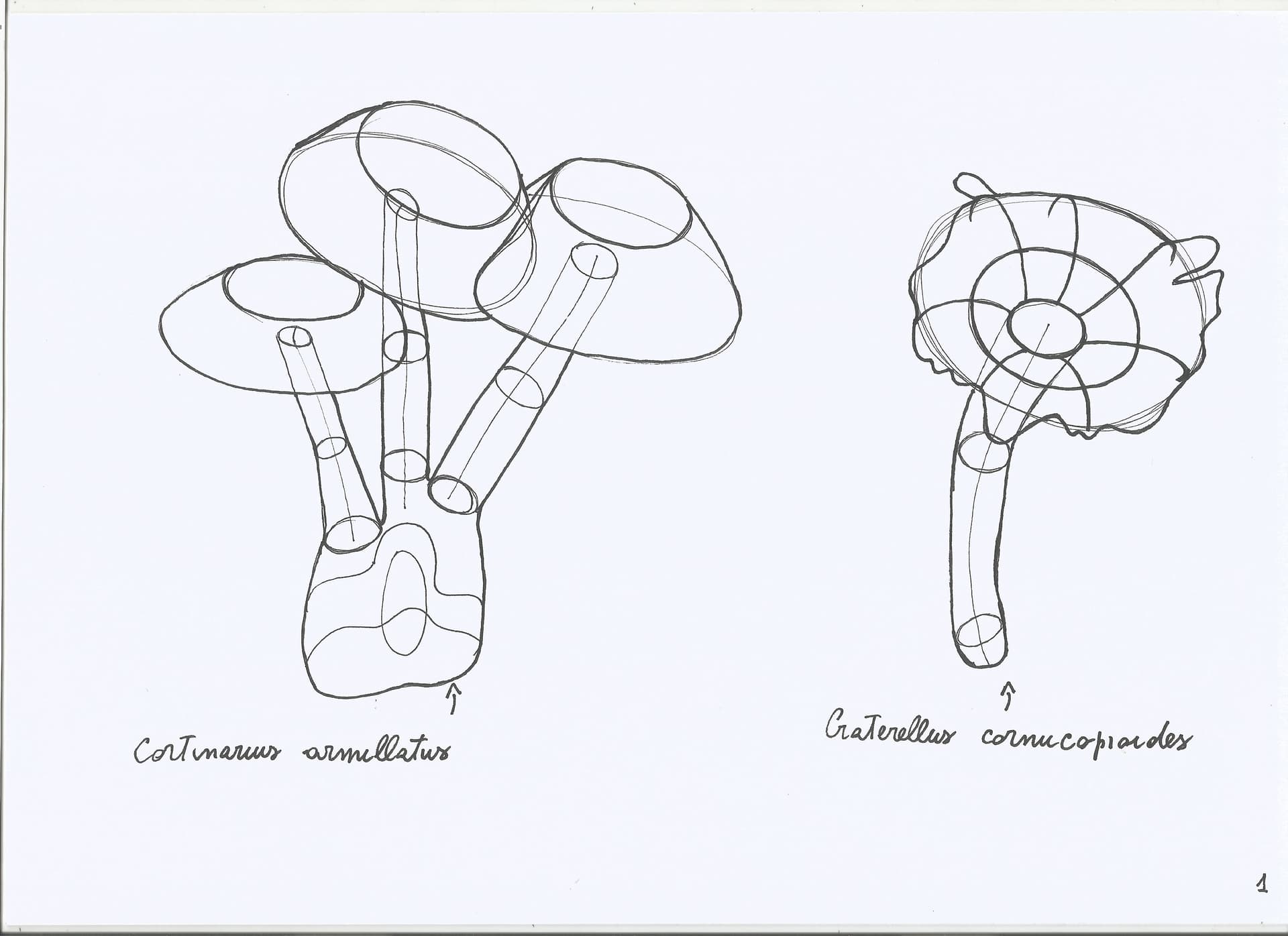
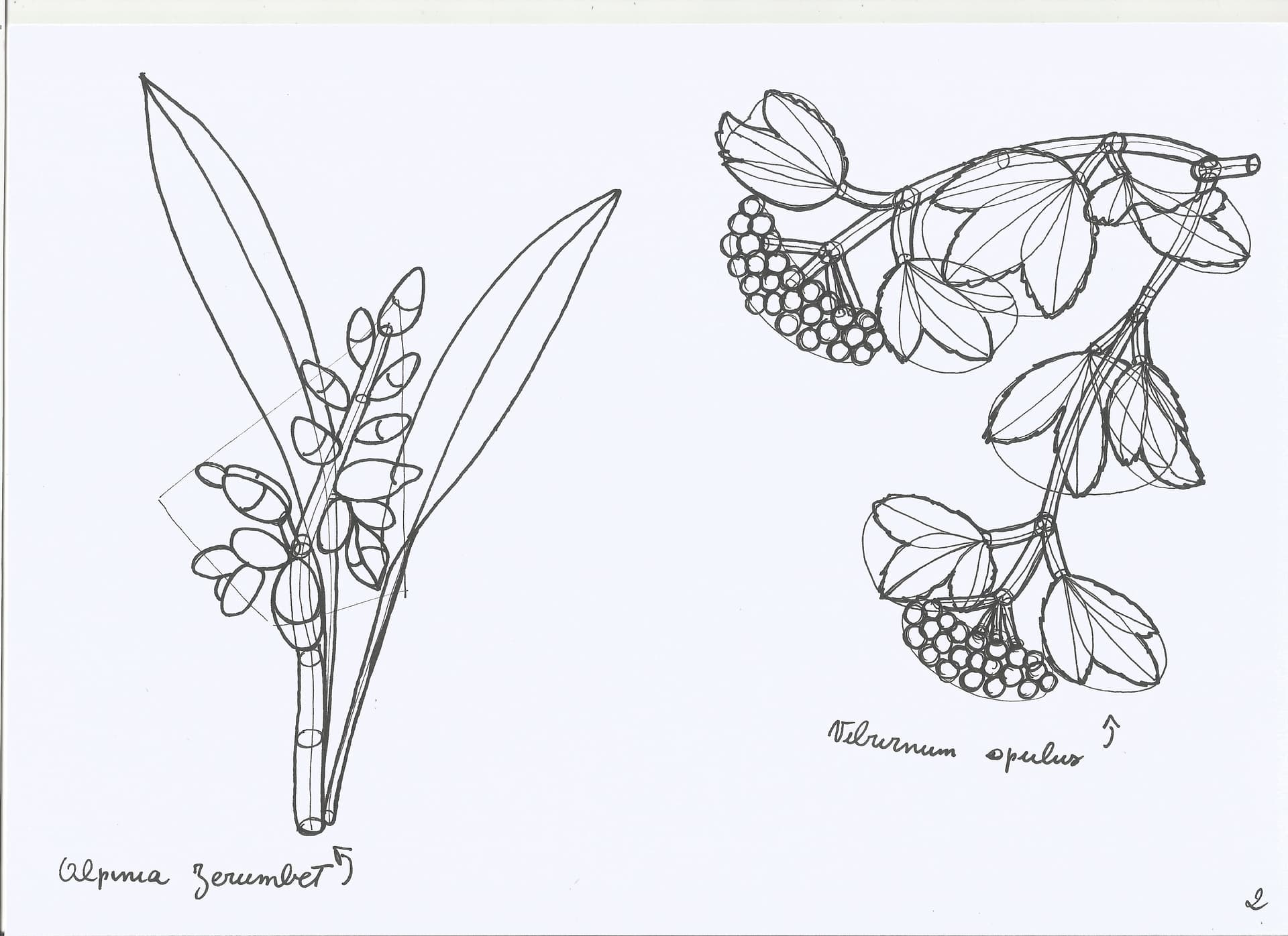
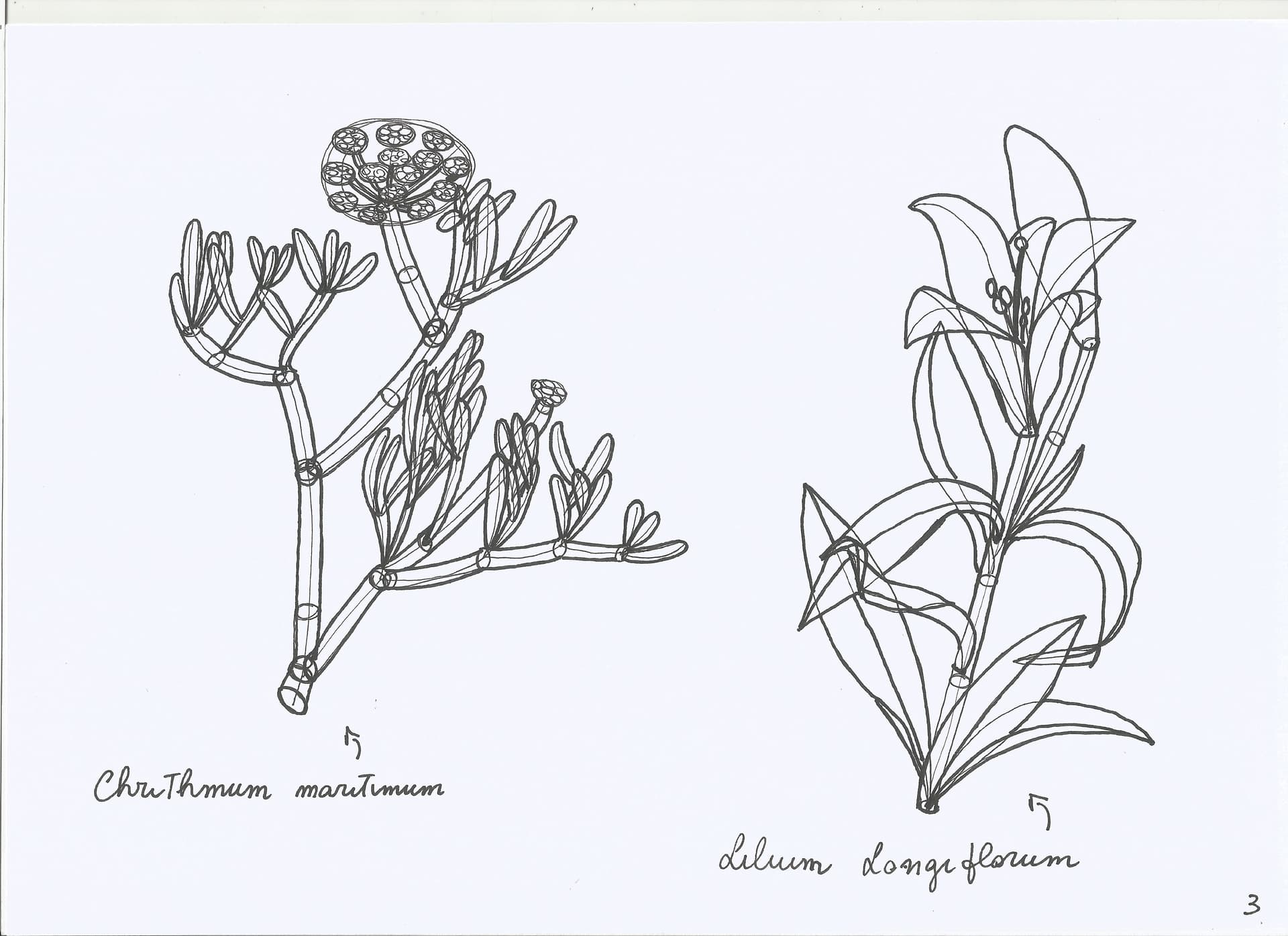
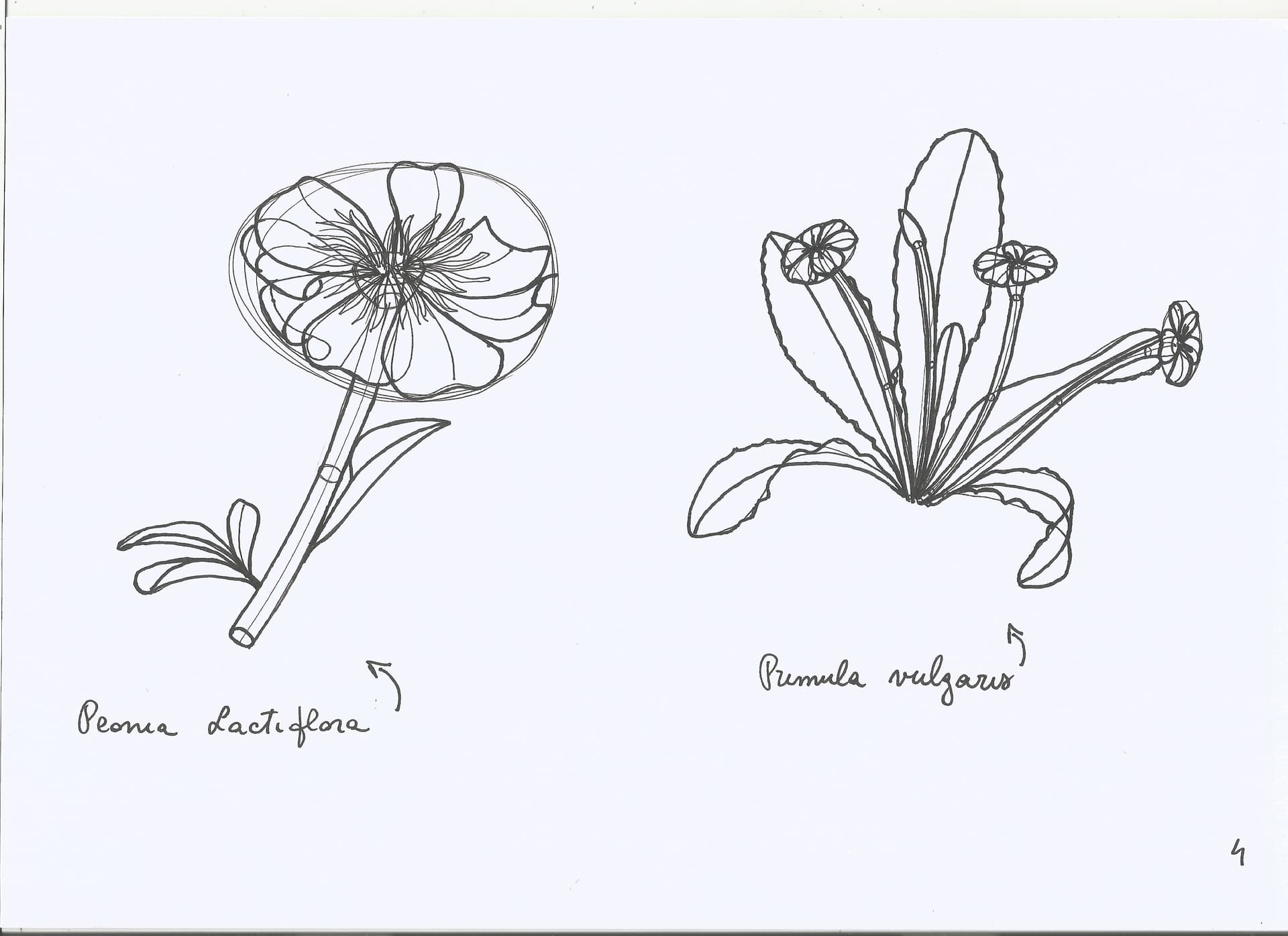
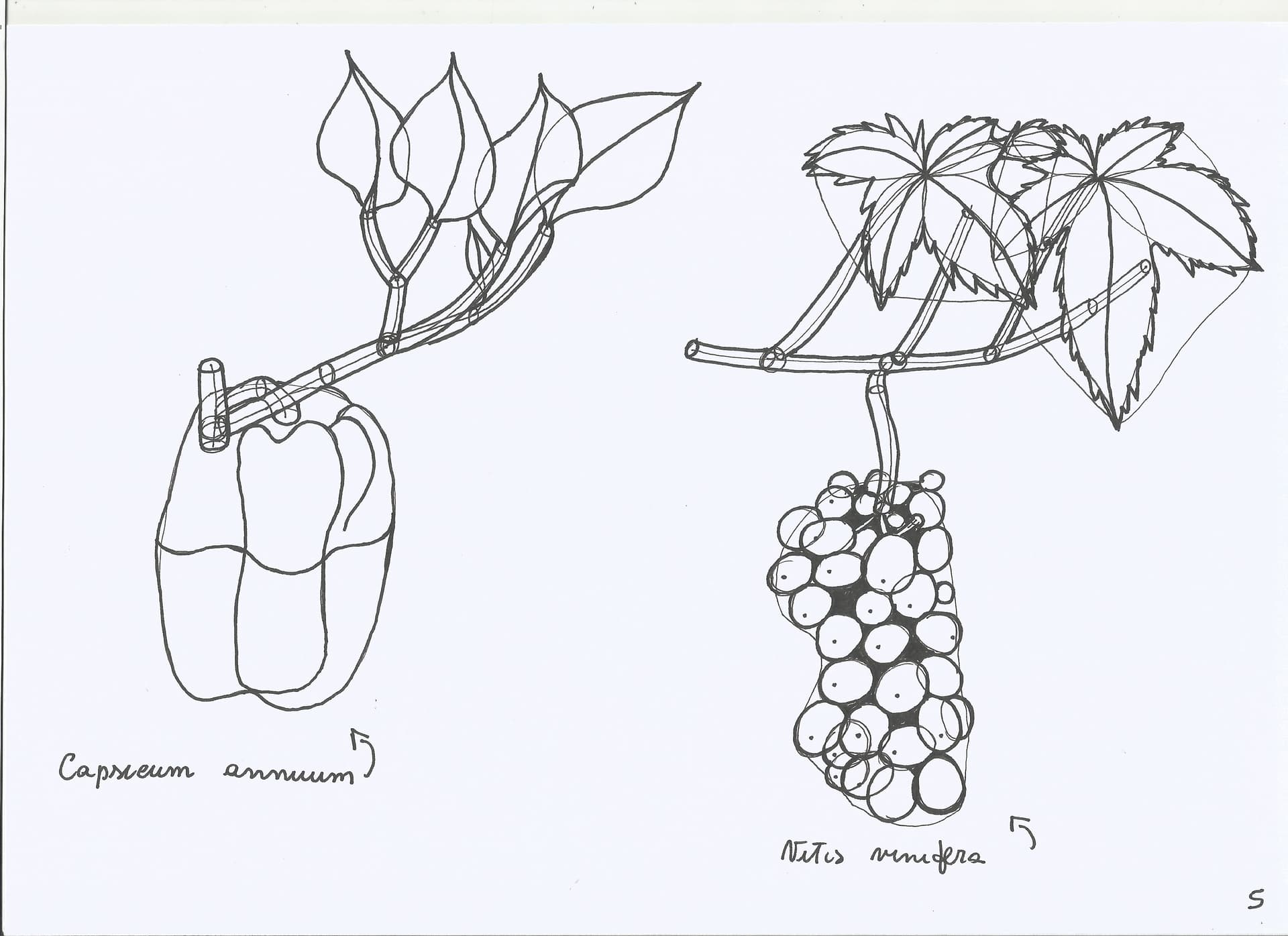
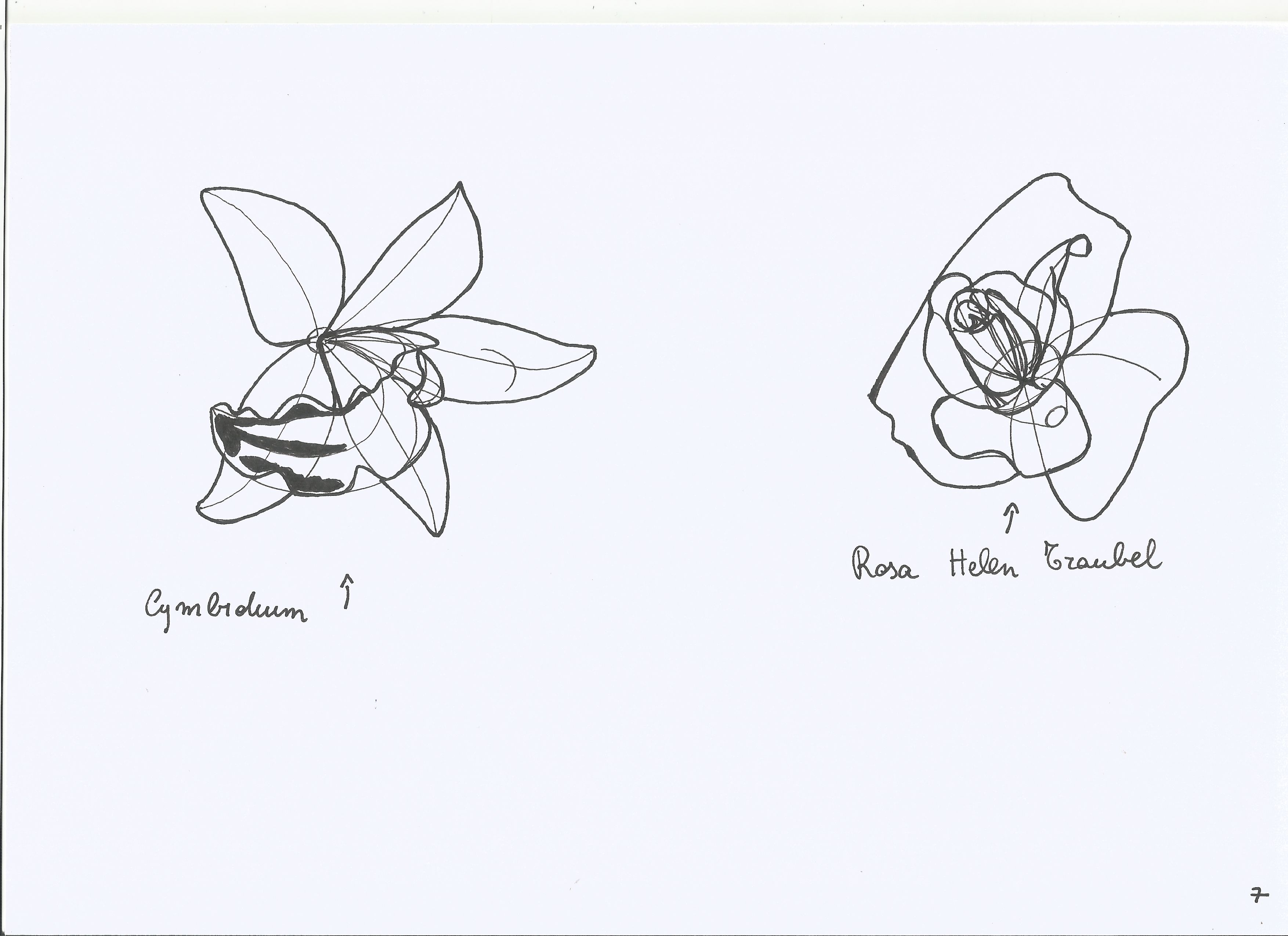
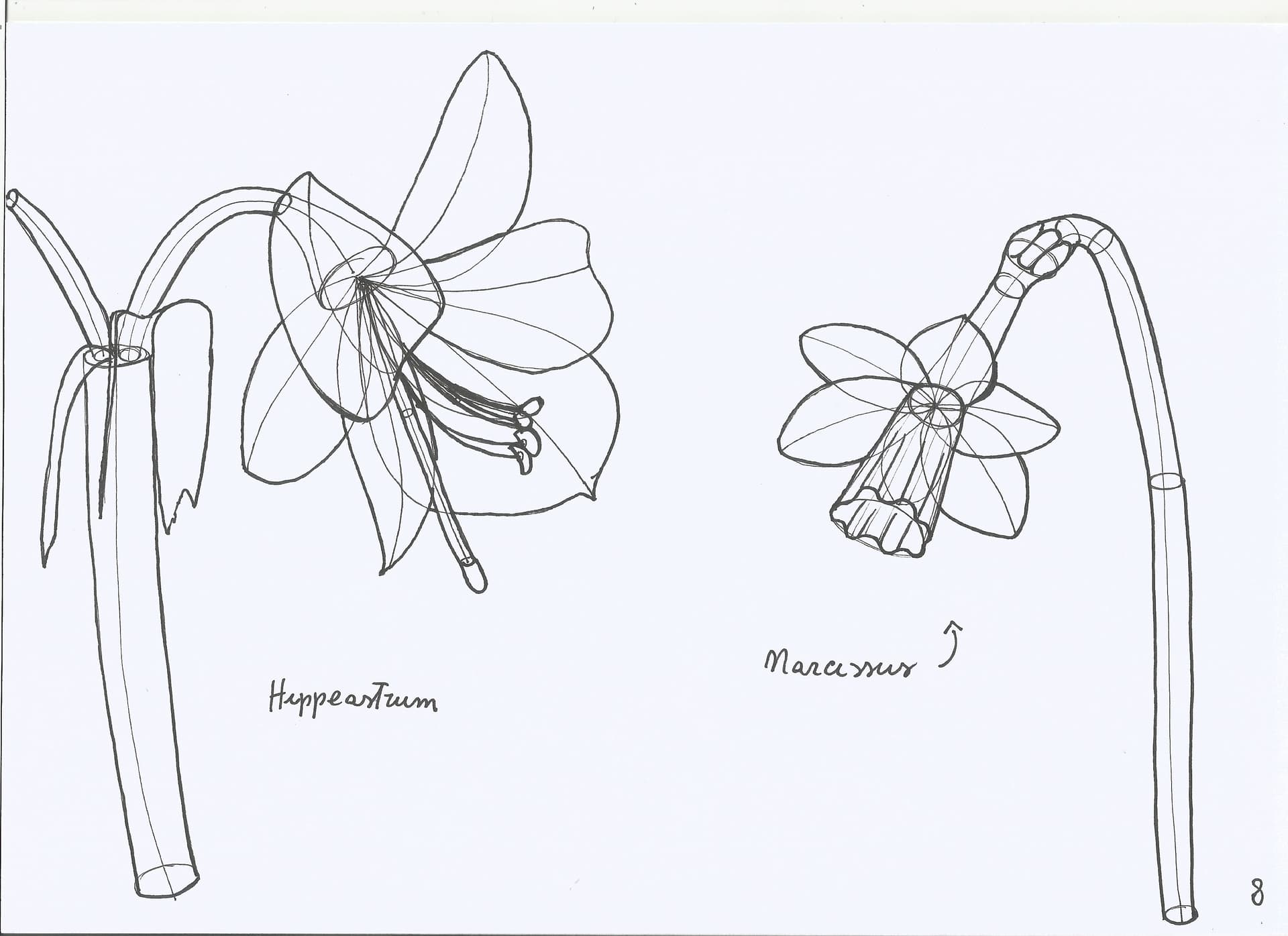
Here are the exercises from lesson 3 (applying construction to plants):
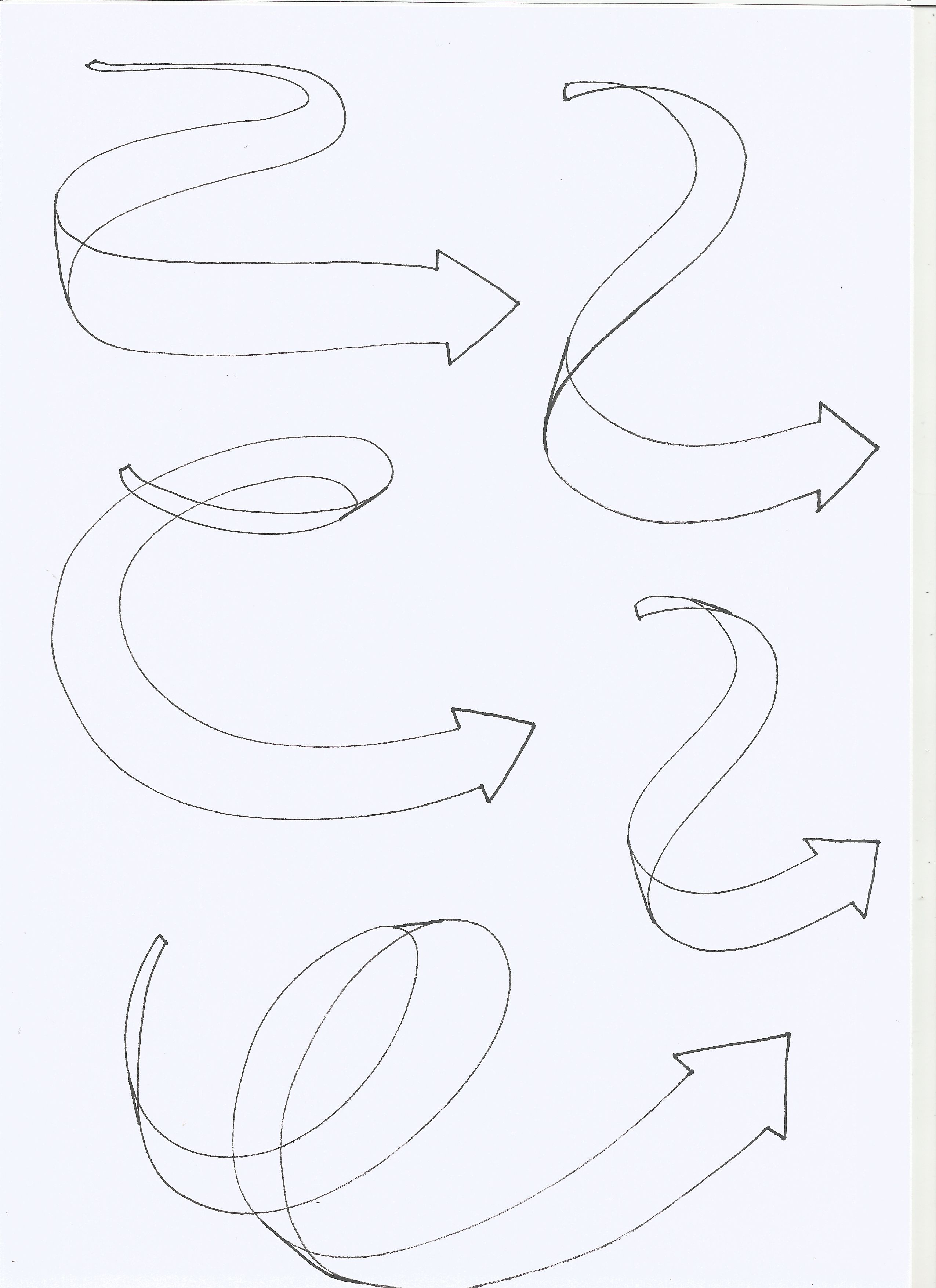
Organic arrows:
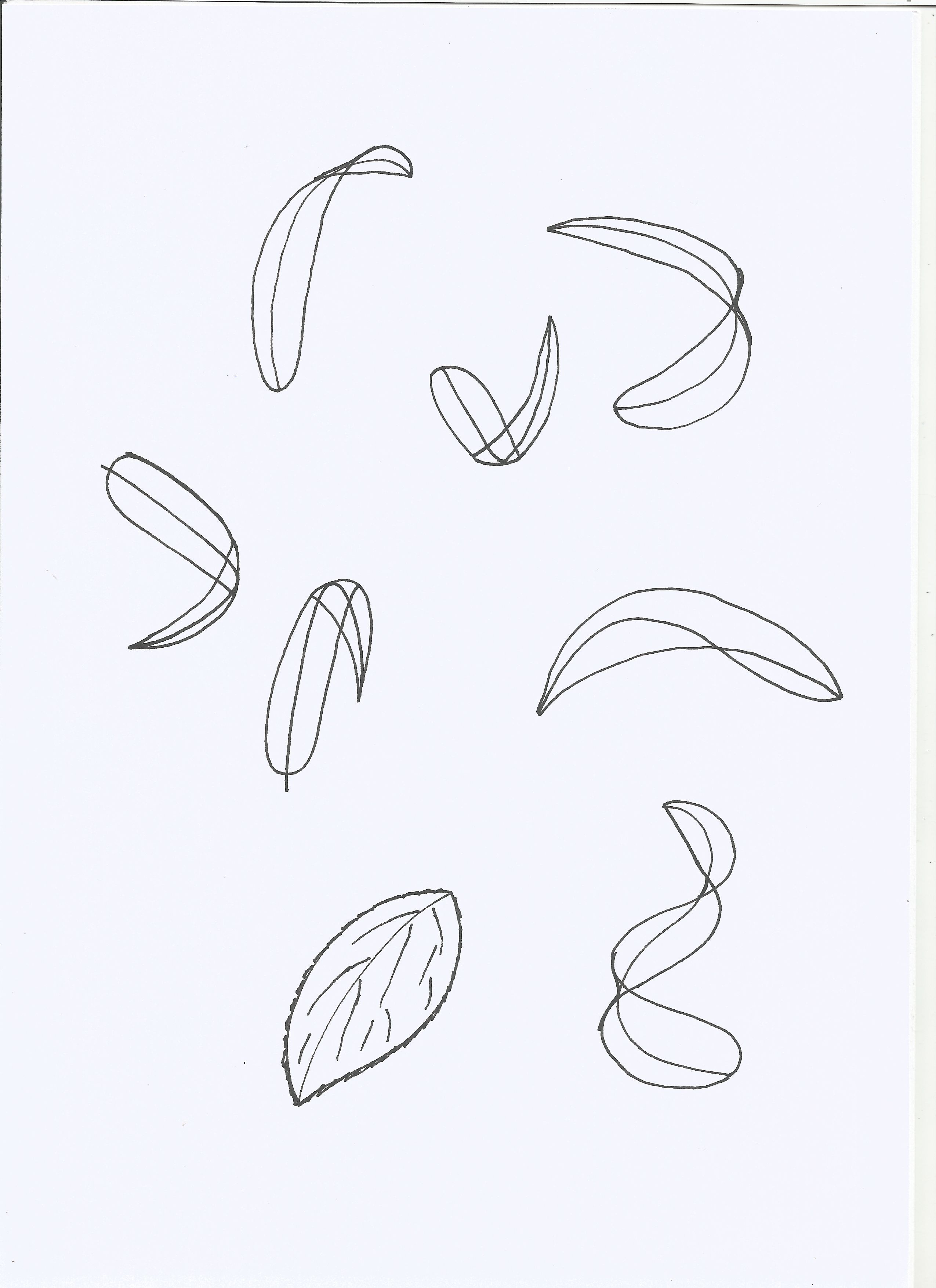
Leaves:
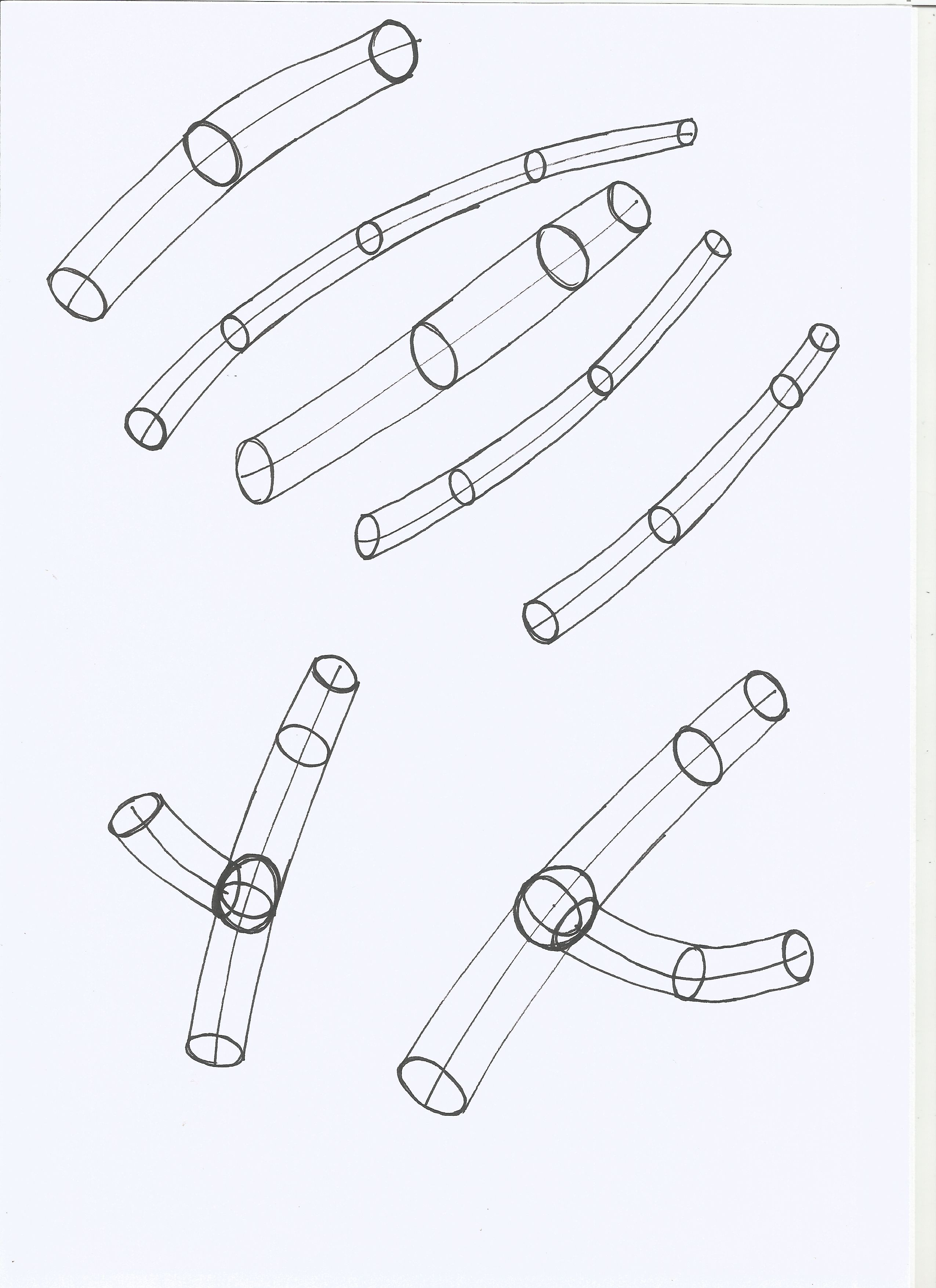
Branches:
Plant construction:
4 Likes
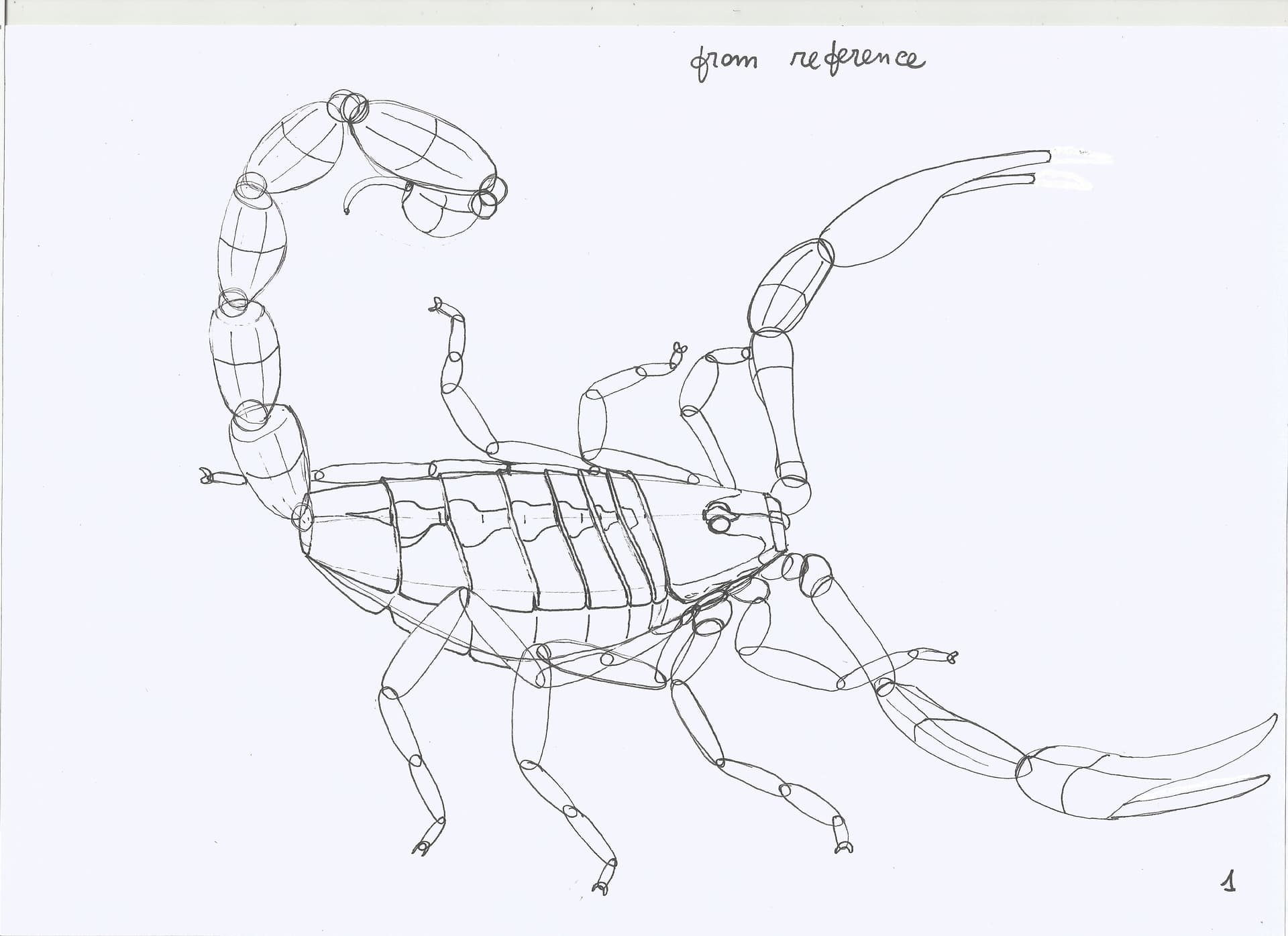
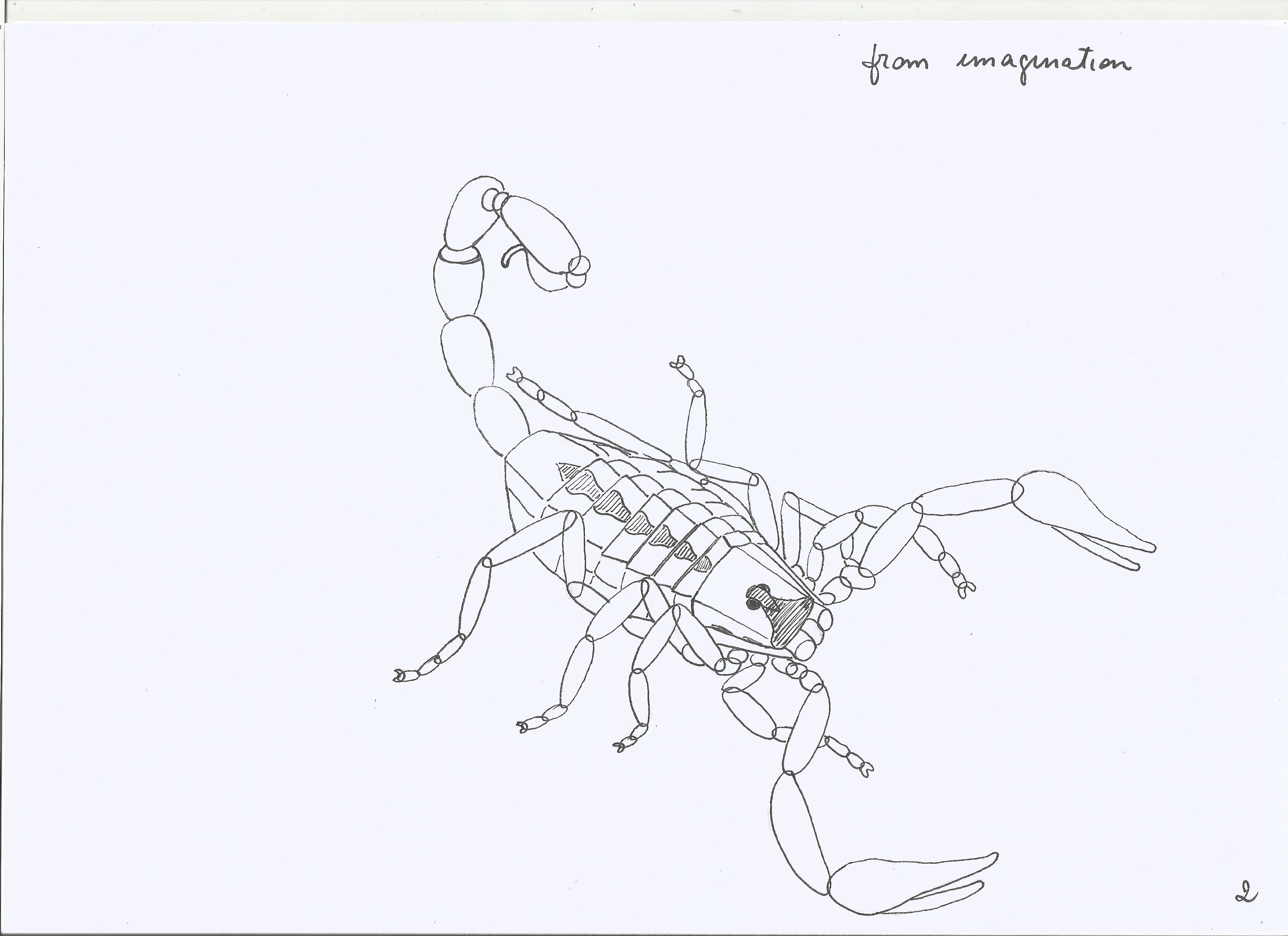
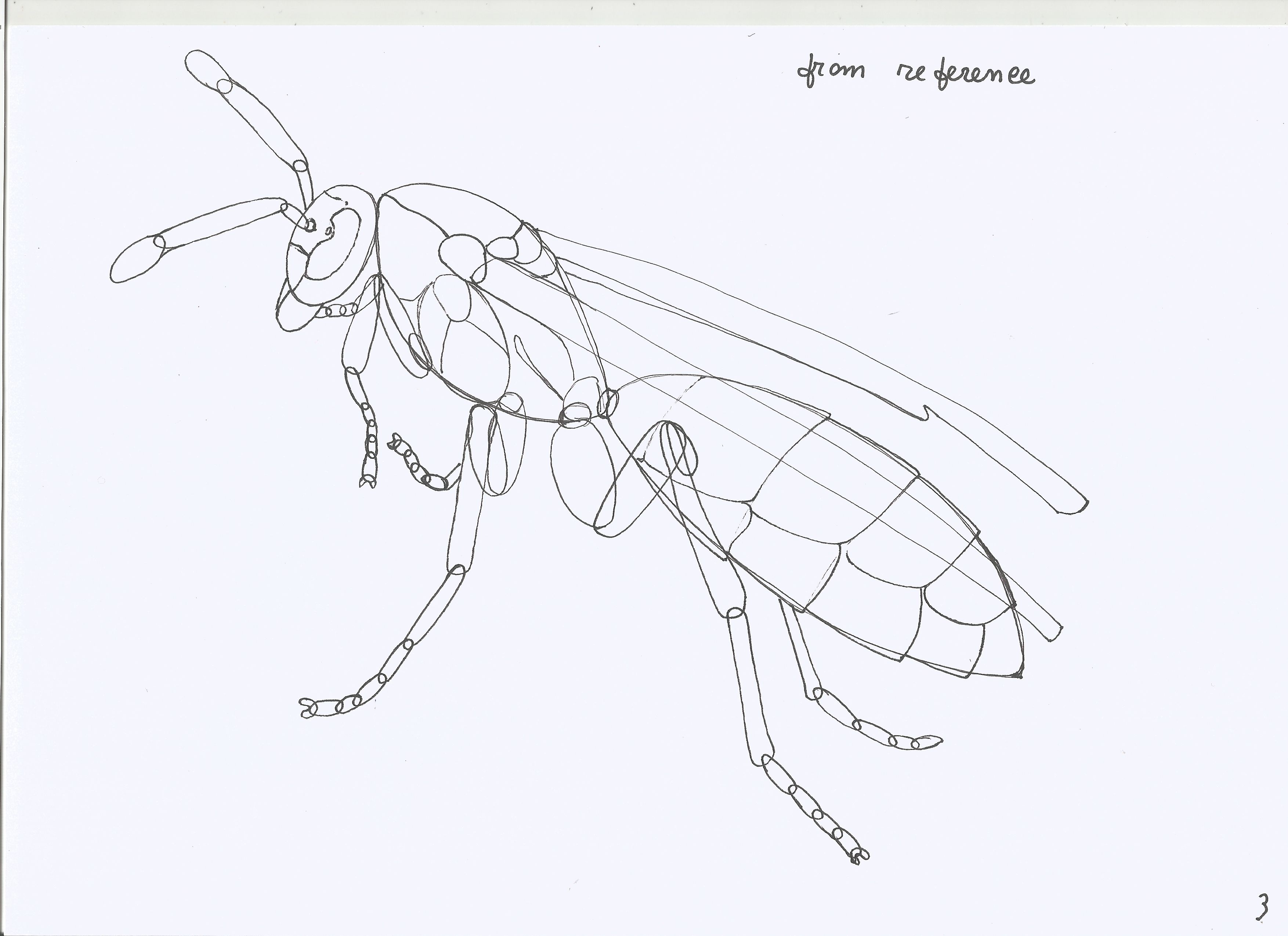
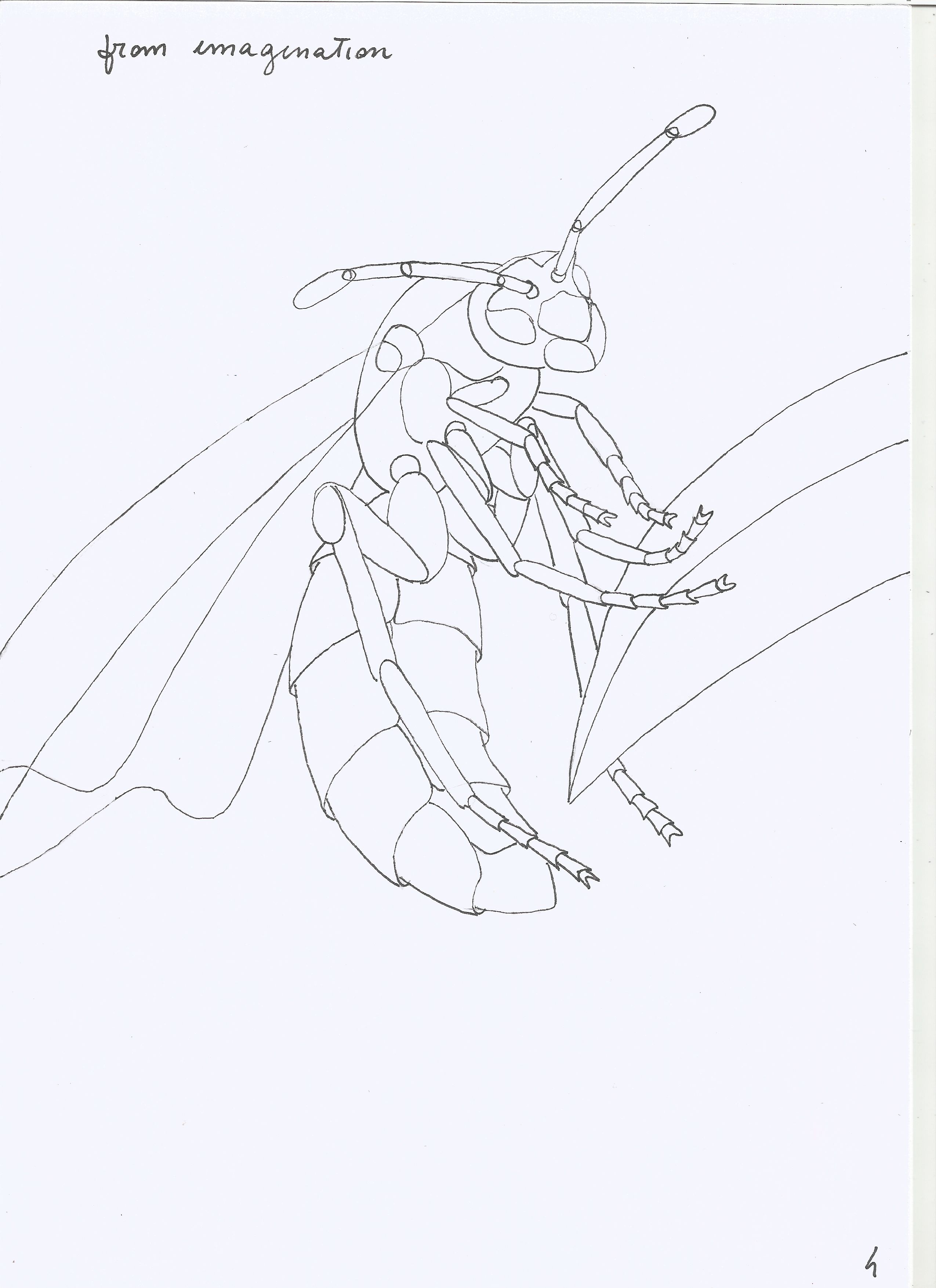
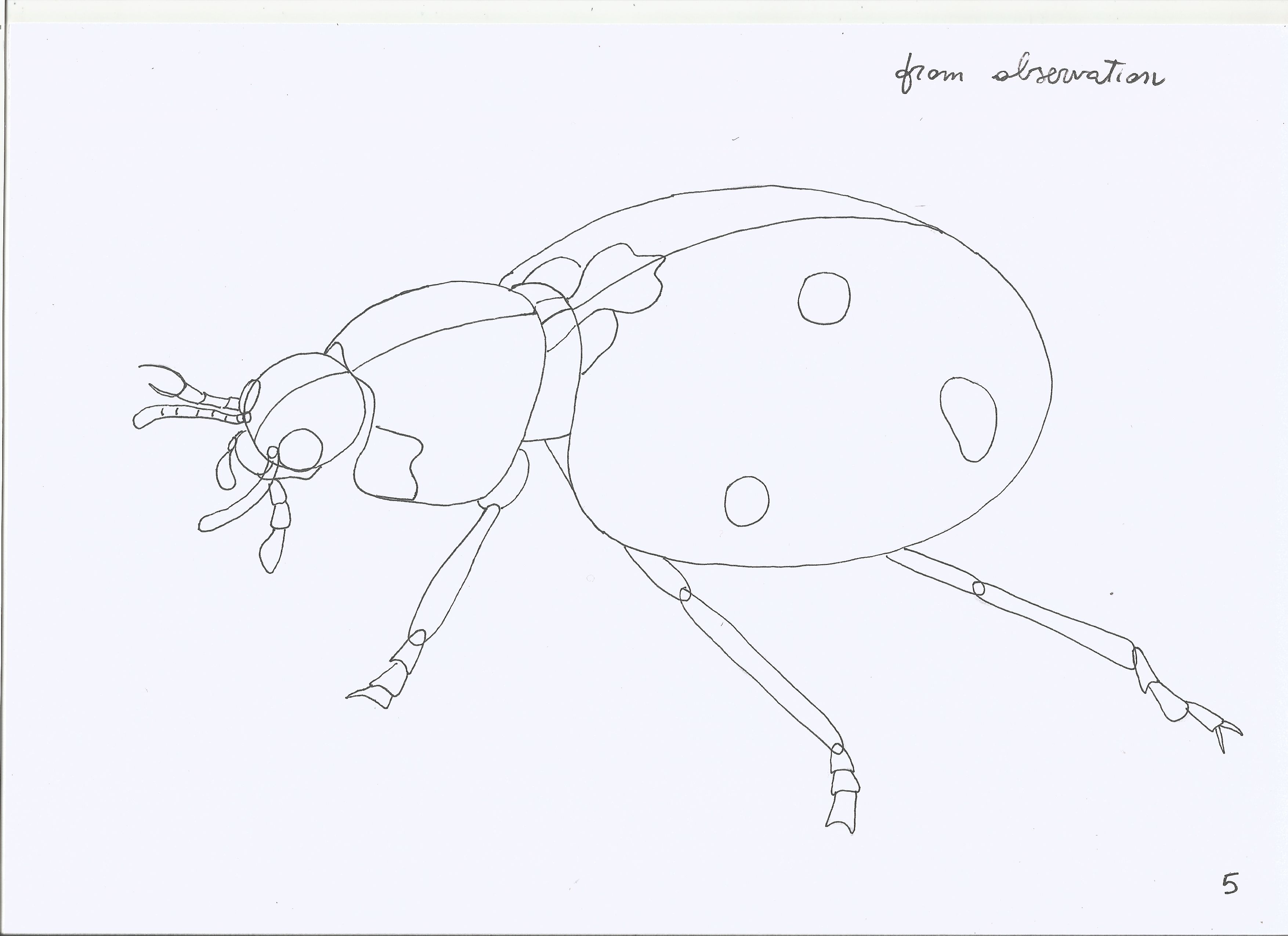
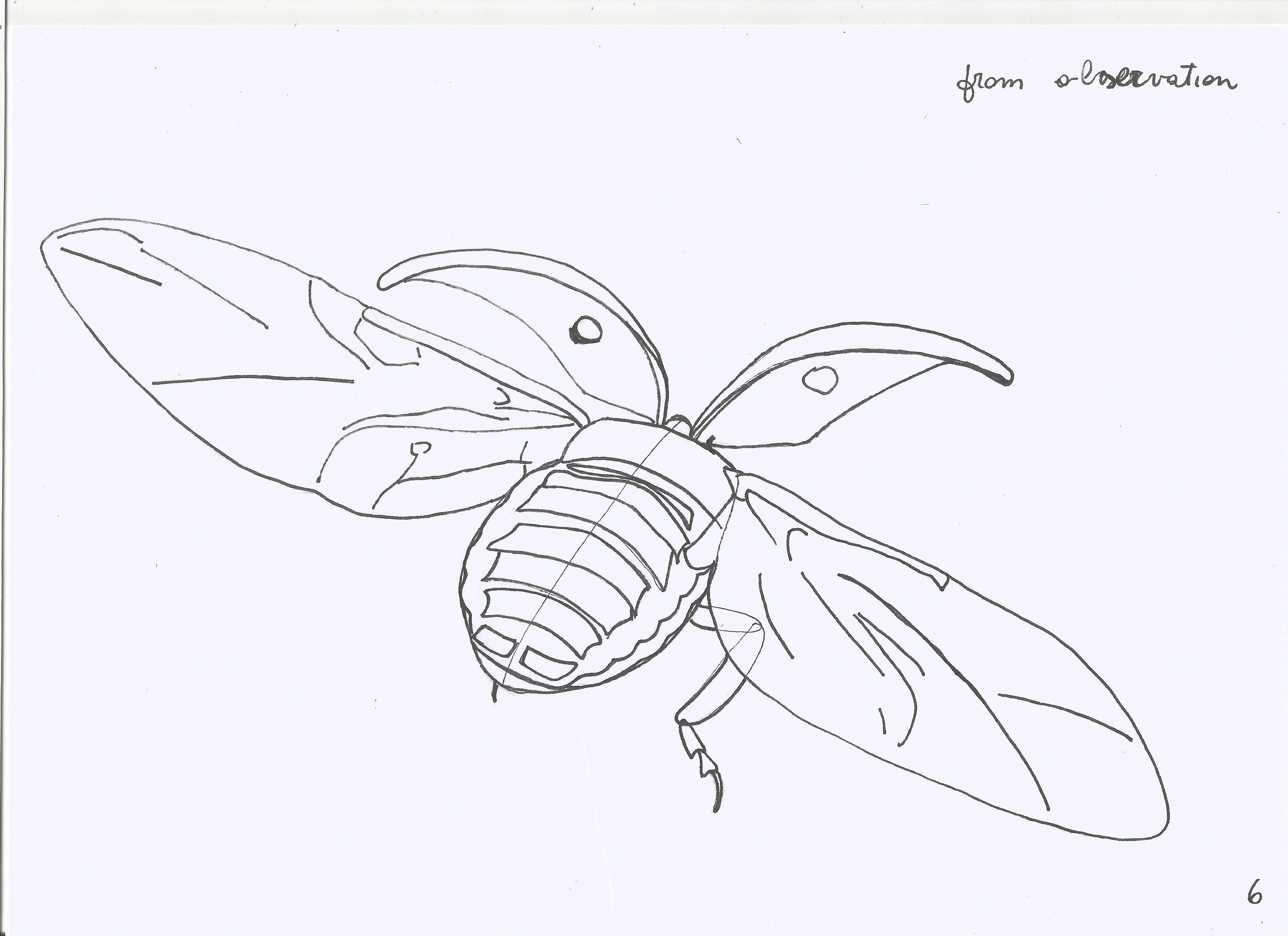
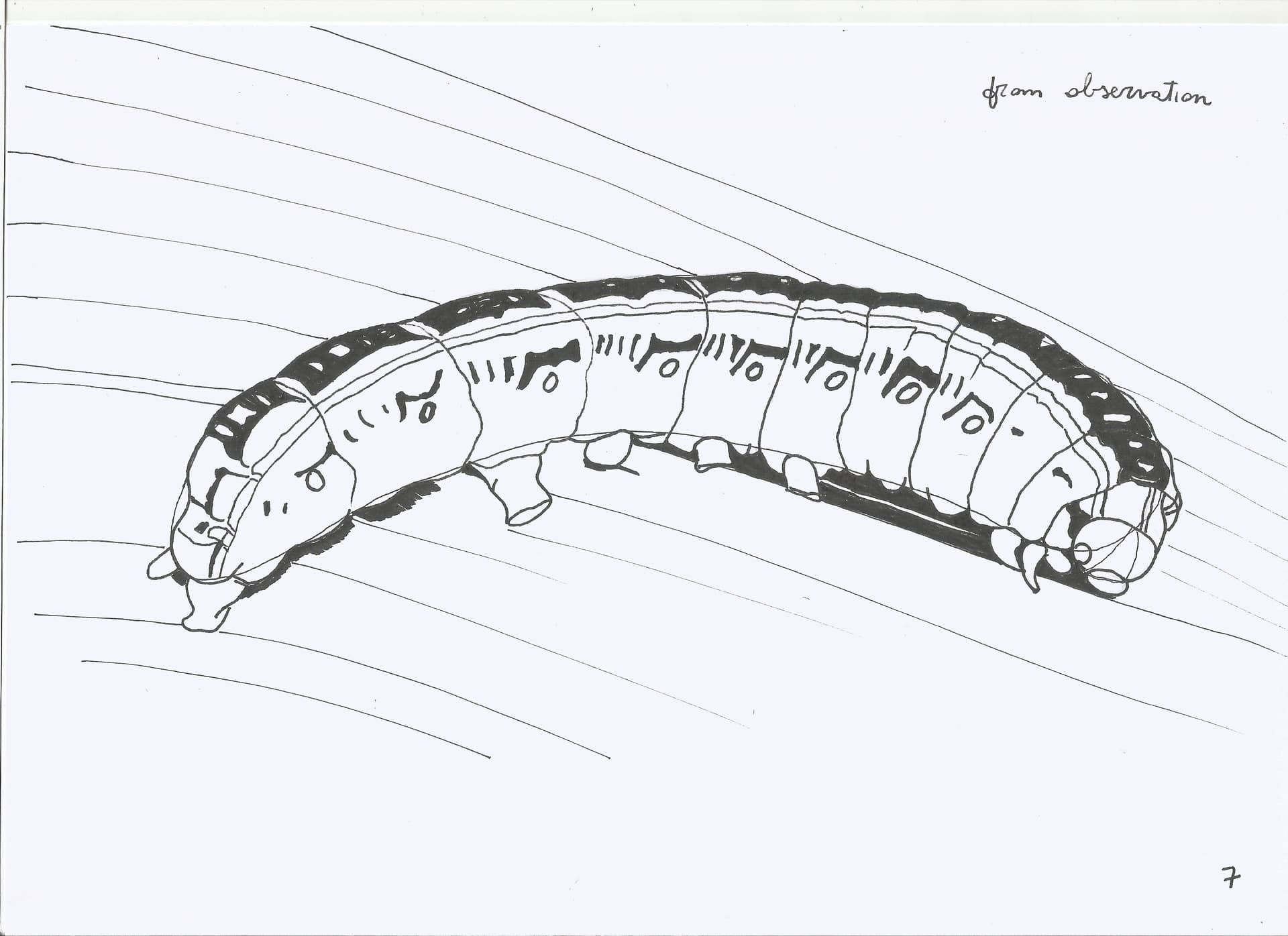
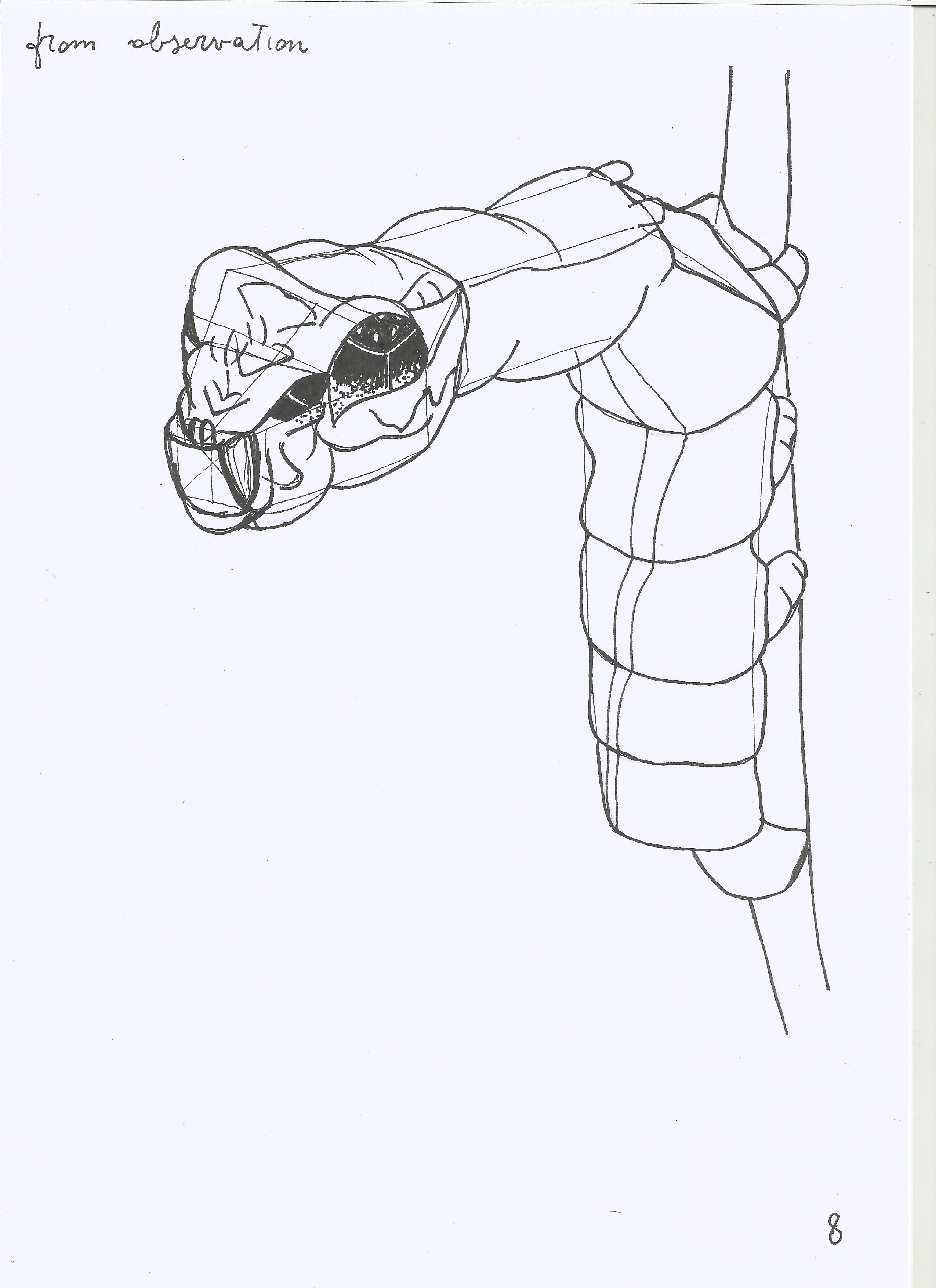
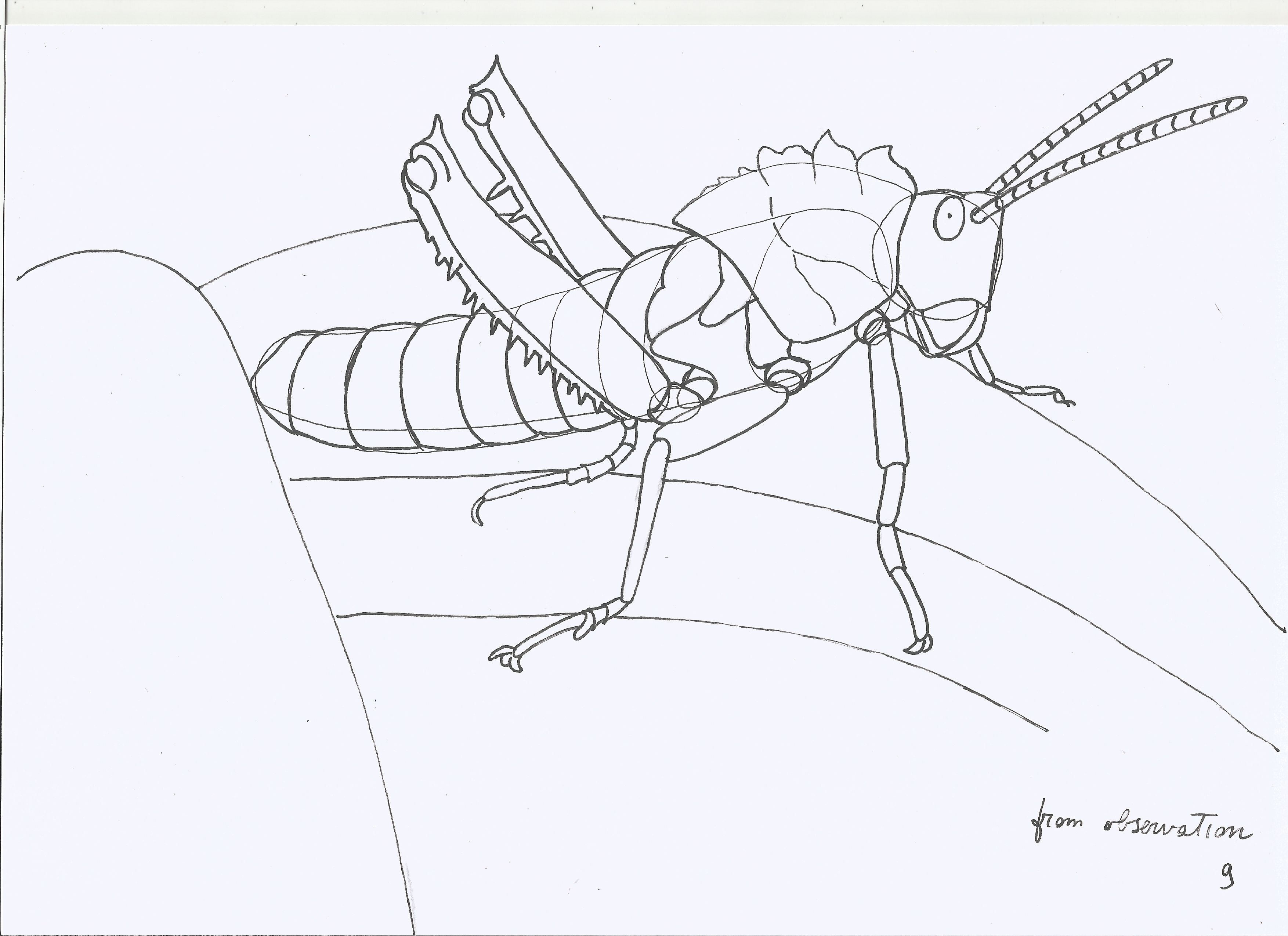
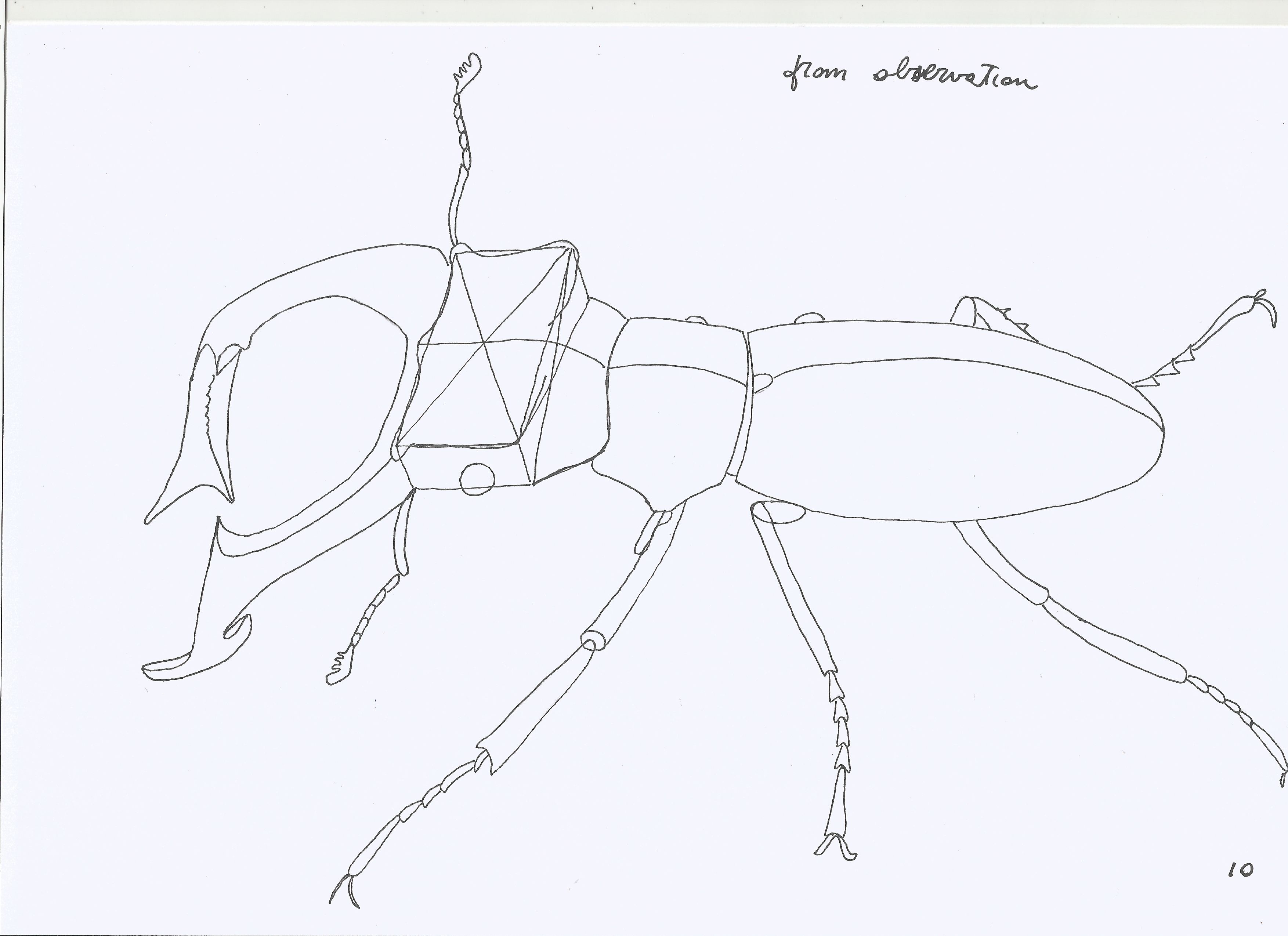
And here are the exercises for lesson 4: applying construction to insects and arachnids:
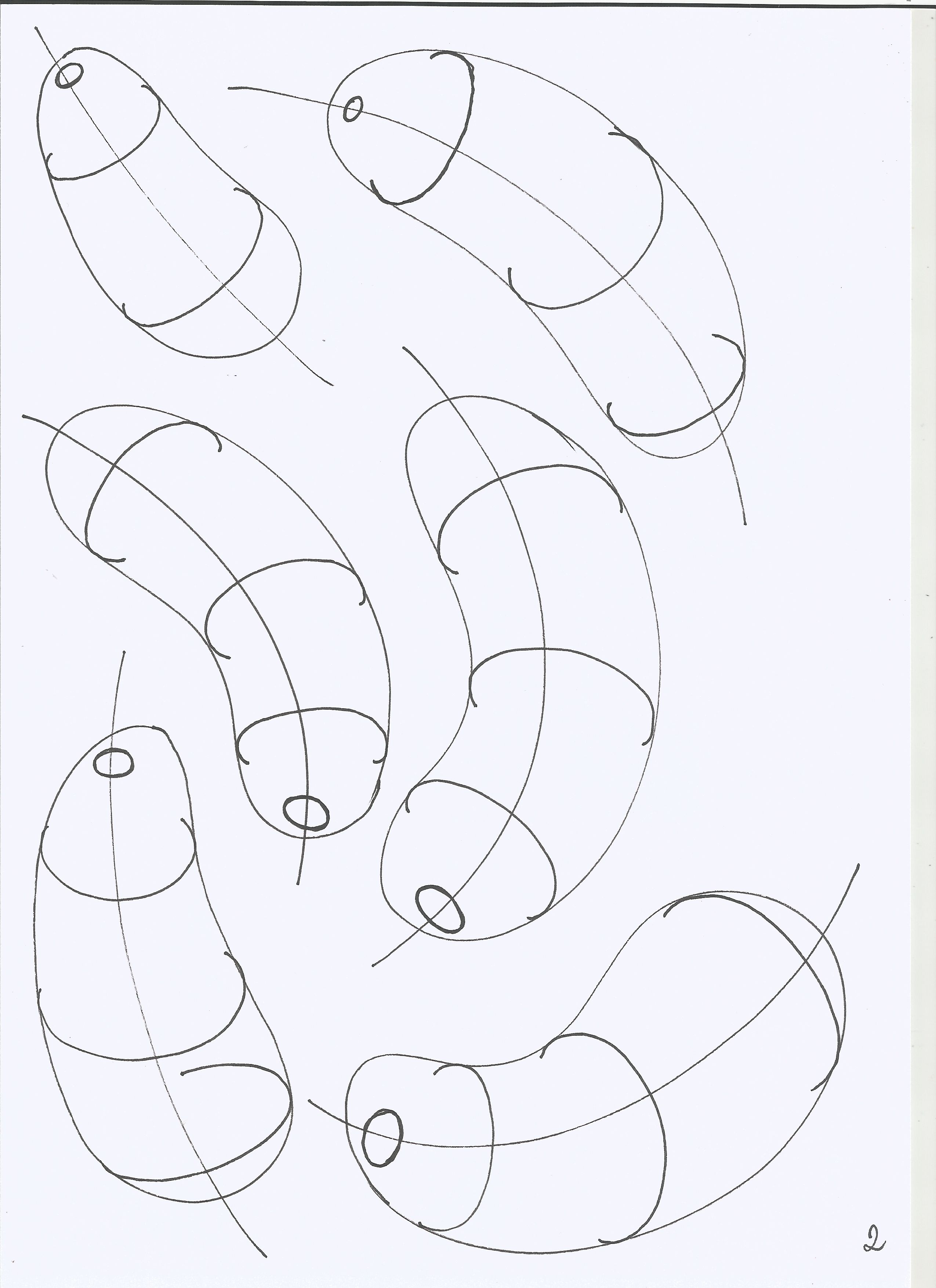
organic forms with contour curves:
and then the animals (for some I tried to draw them also from imagination)
5 Likes