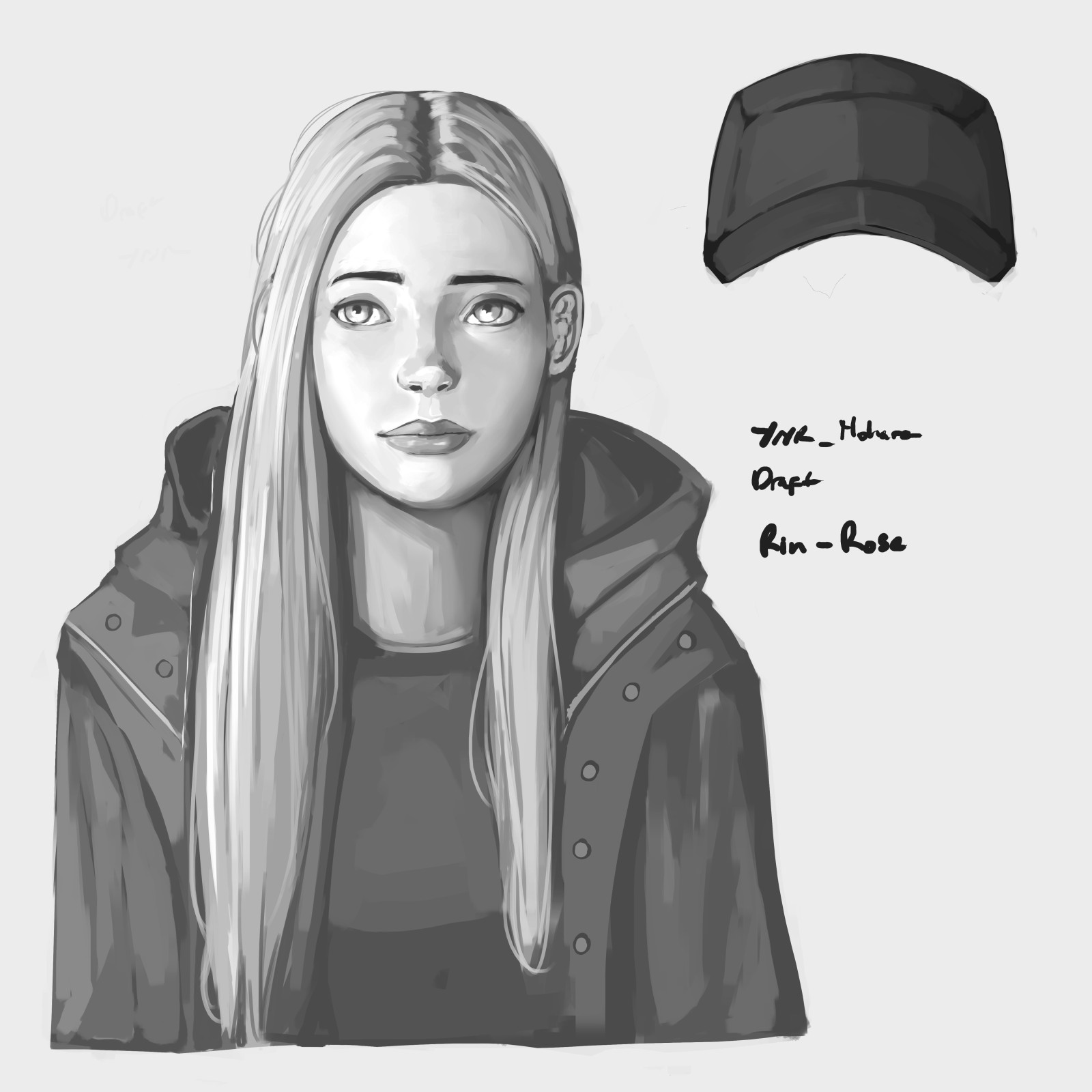
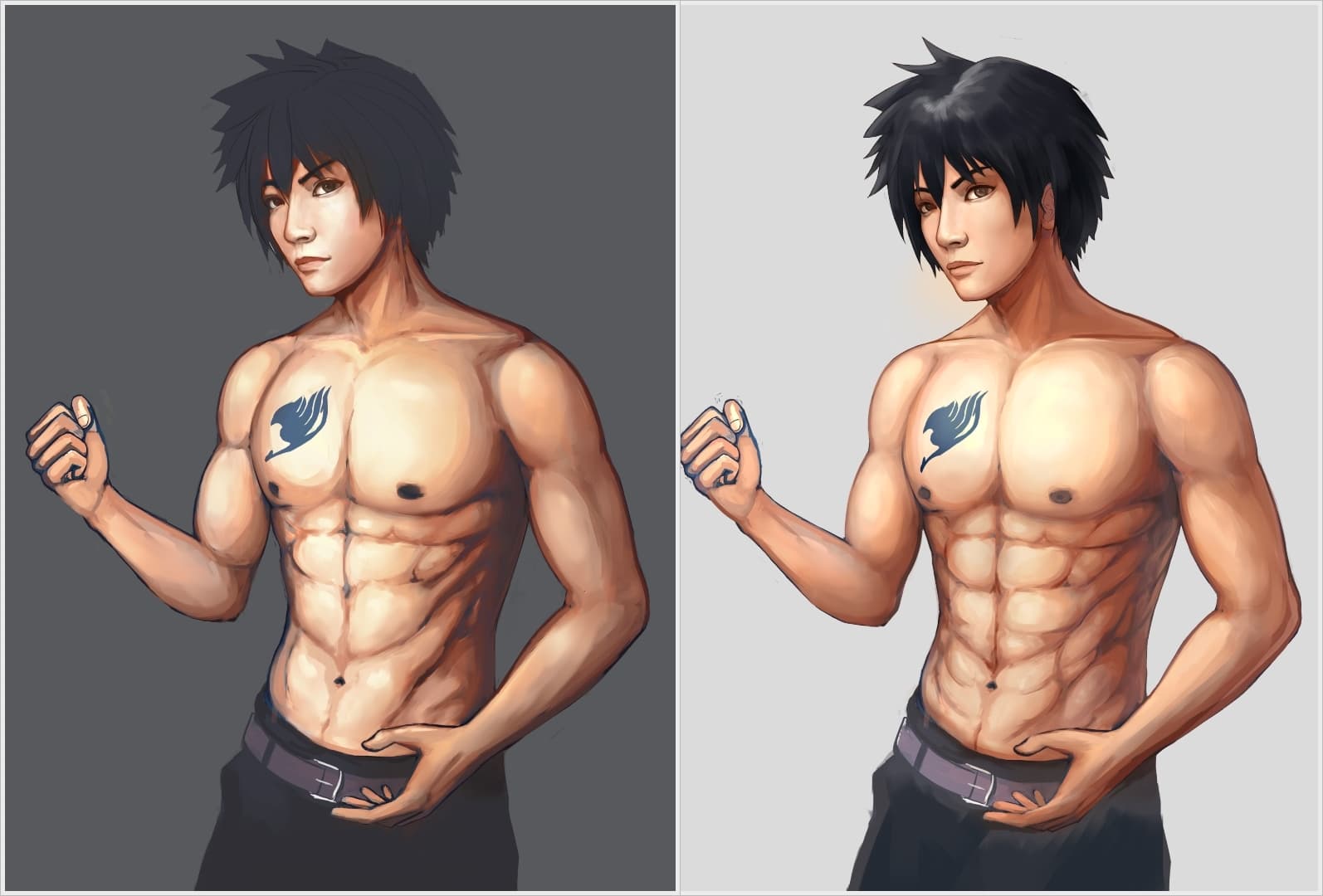
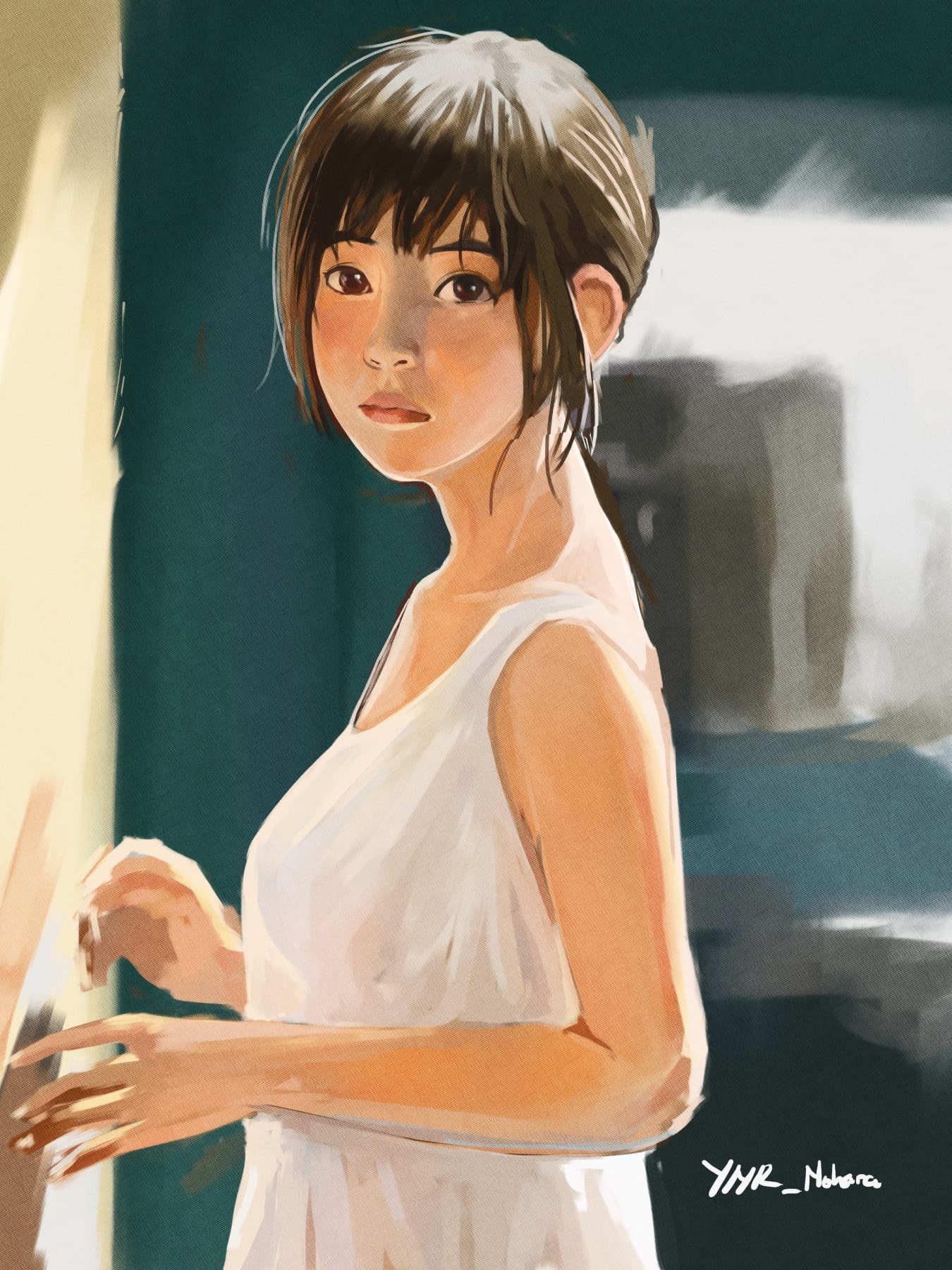
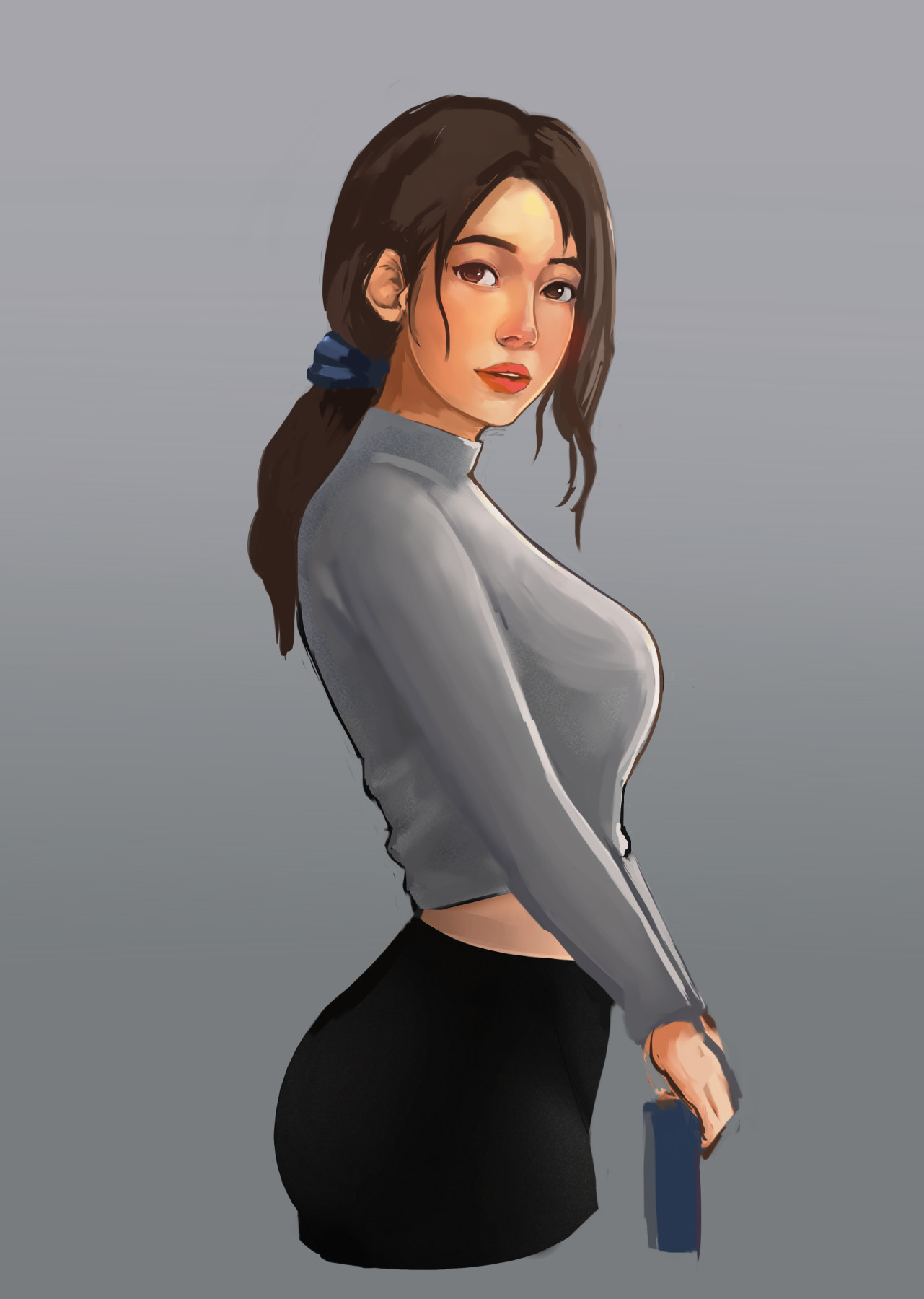
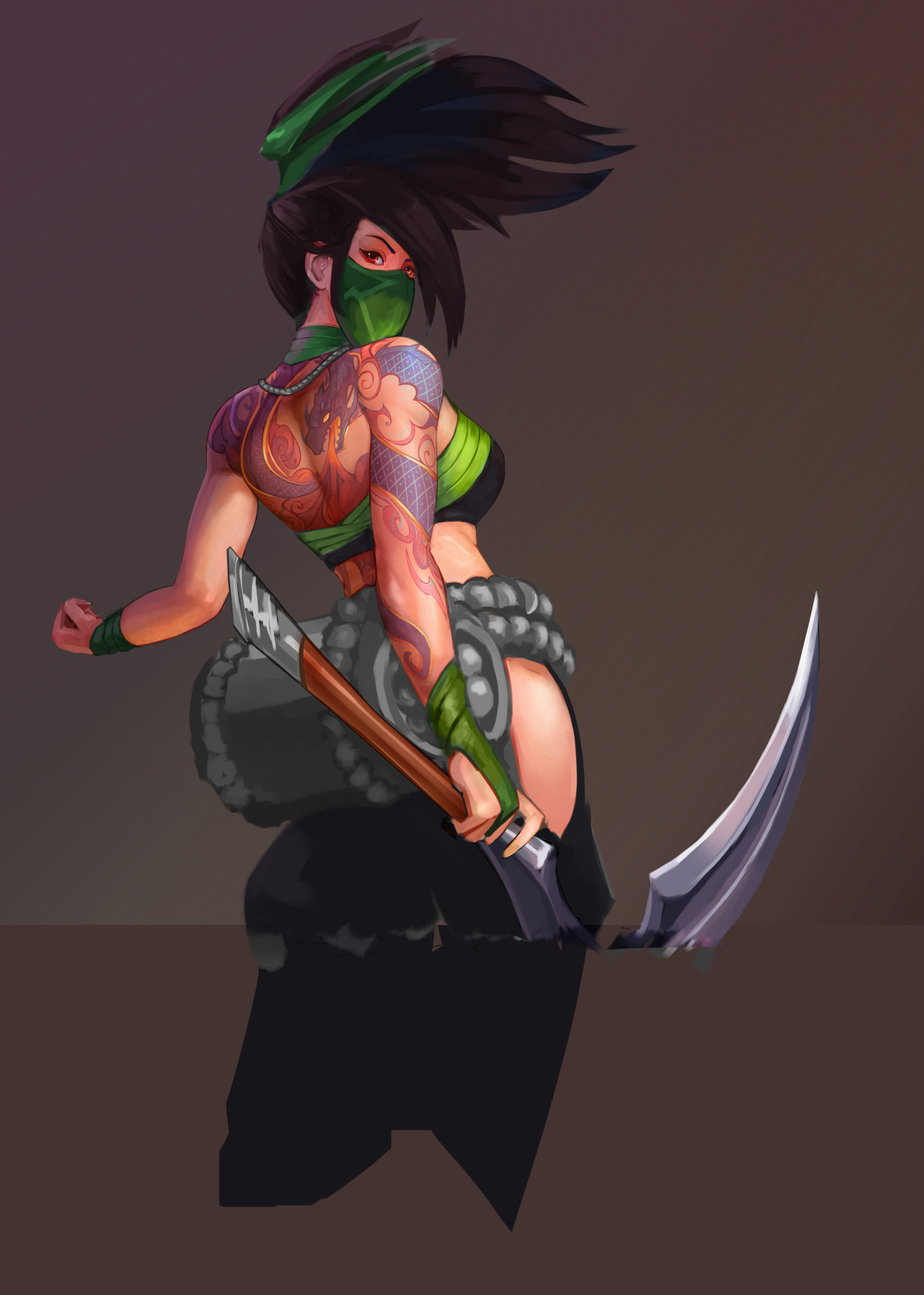
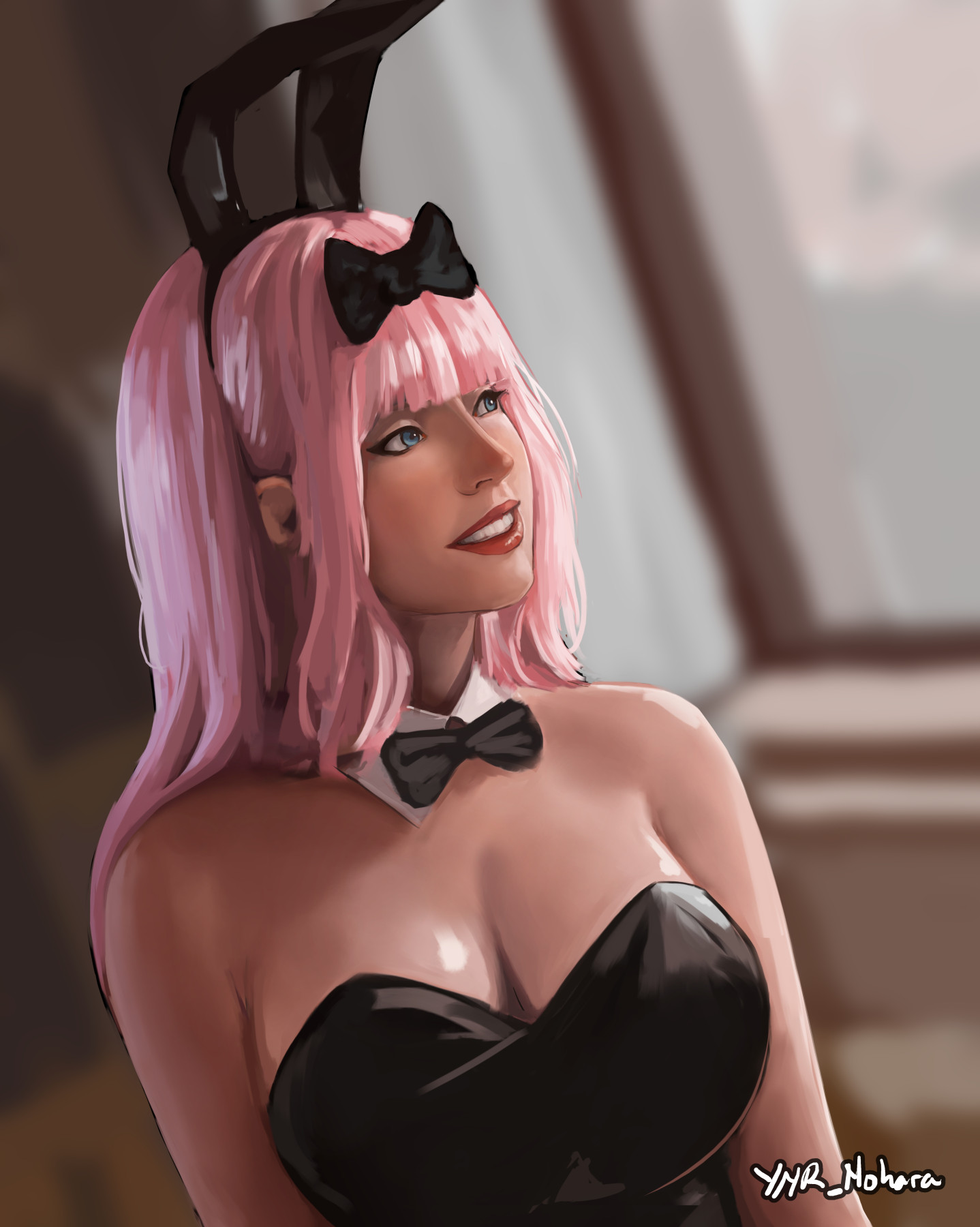
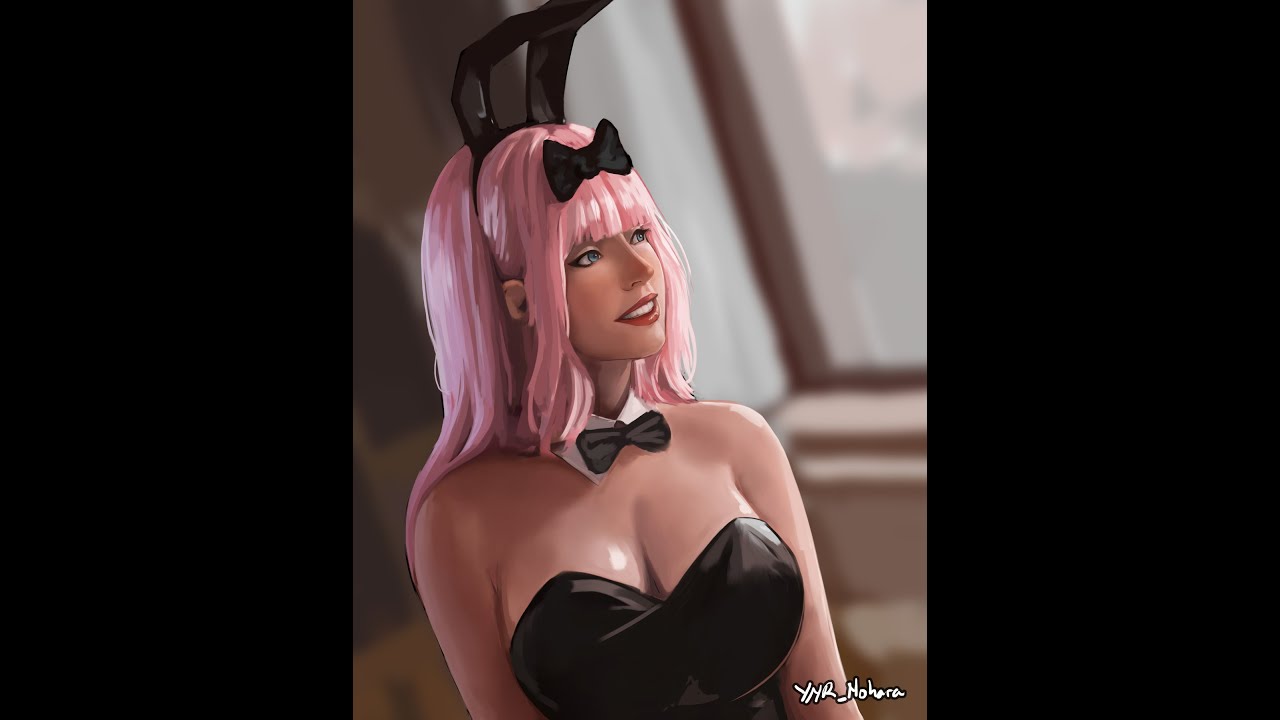
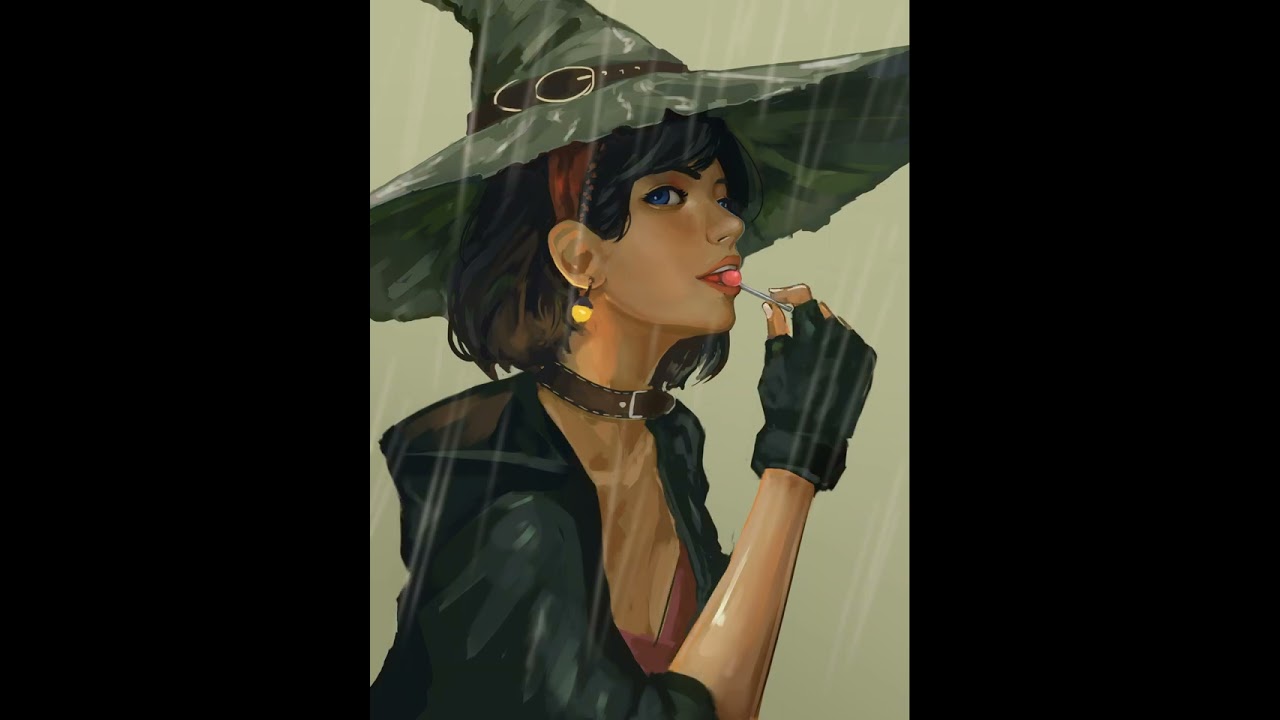
And this is where I usually get stressed because I insist to draw closer to realistic without me actually not knowing how to do it well. Can I finish it? idk, never have confidence to do realistic drawing and usually in the end I tone down the shading complexity just so I can finish it.
But I really love looking at complex painting with correct lighting and interesting color . I just don’t have the skill to impress myself yet. Maybe in the future I will.
Hi there, first I wanna say thanks to everyone that stop by to check out my random drawings, and also to those whom leave nice comment, I really really appreciate it, they are morale boost for an artist like me, thank you!
@Ashley_Johnson I am very reluctant to teach others because I am self taught and pretty much has no structure in the study I’ve done, so even though I can teach my self how to draw based on myriad of loose info scattered on internet, I’ve done the bulk of my study through trial and error… and I really really do not recommend people to go on the same path as me, it is morale breaking. What I can do is point people to some notable individual and some old book that helps me compound the scattered knowledge into somewhat graspable info for beginner artist.
What I did, based on my “I have no idea what I am doing” to “Yea I know some things” :
Learn Spatial awareness / Imagining 3D in a 2D space / ability to rotate basic shapes in your mind/ learn how to use horizon line and basic perspective. I recommend Andrew Loomis Books, and Glenn Vilppu’s Books. Usually if you ask other artist they will tell you to draw boxes in perspective in one big space.
Learn either drawing Figure or drawing face or Both at the same time. Face is focused on advance shape, figure is focused more on dynamic lines. I recommend to watch Proko’s old playlist on both of this topic, then you want to re-read Loomis book, because that is where proko pull the knowledge, he said it himself. Also I can’t stress enough that you need to draw every facial features like nose, eyes, ears, etc for face; and limbs, hands, fingers, joints, you name it for figures in multiple perspective.
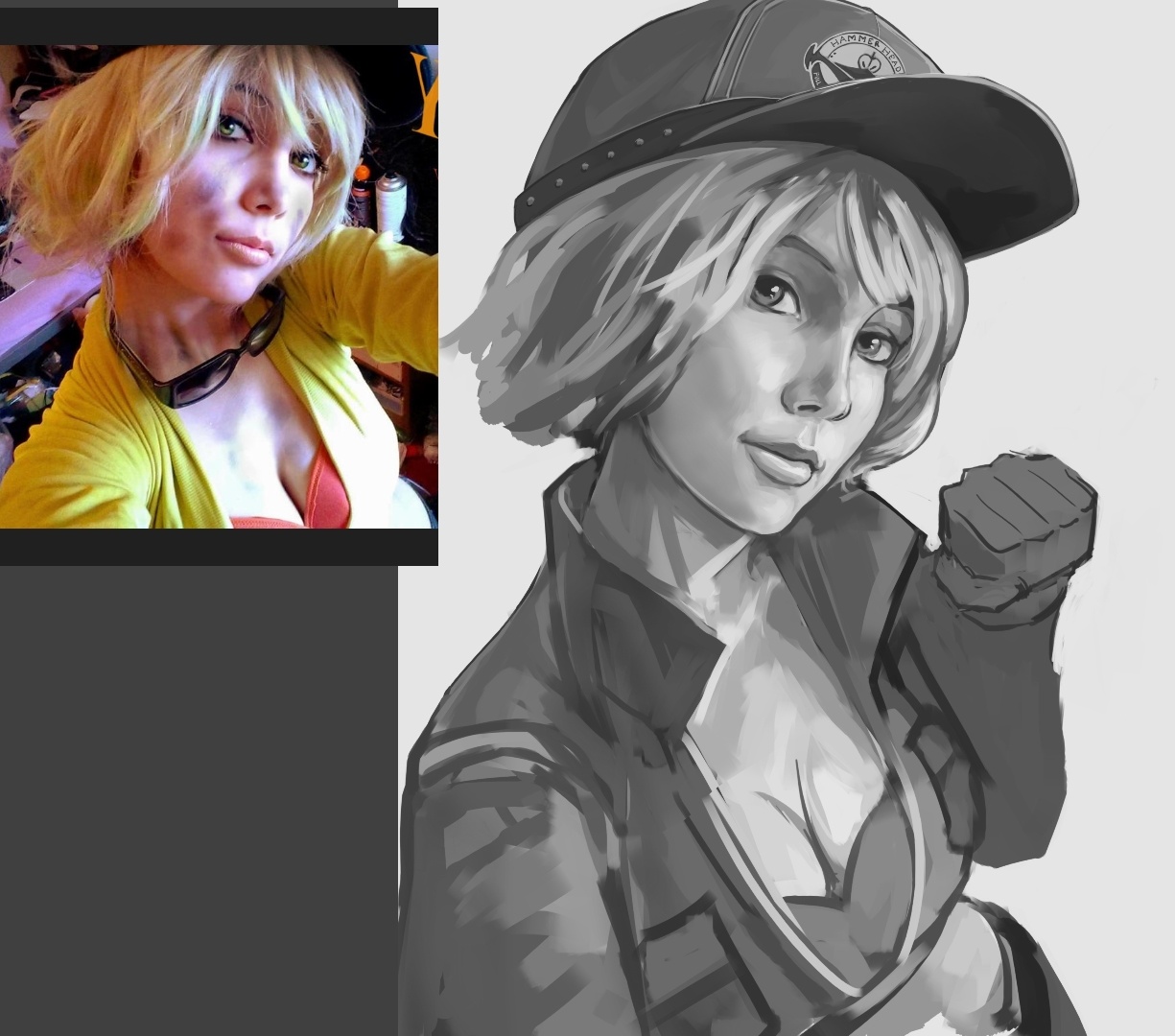
Learn basic greyscale shading this also means you need to learn about how lights work. I pretty much cried a lot at this stage, but other than watching a lot of tuts and read a bunch of articles, I think the best way is to draw from photos. Proko explained how a good reference should look. I forget which video, but basically not too dark that the gradation isn’t visible, not to bright that everything looks flat. You know you grasp the concept of shading when you are making conscious decision of pushing and pulling “the planes” by increasing and decreasing the value.
Color… I am at this stage. I join online competition whenever I can, never won… and everytime I saw the winning piece I always say “how the heck the can come up with such color”. There’s color theory, teach the basics like which color compliment which other color, combination that do not hurts viewer eyes. You should learn this, but I think it is also important to learn from other artist artwork.
Learning tools. You should be fine learning the basics with default tools. I myself didn’t touch Krita advance feature until recently (2-3 years after I first use it), but once you are ready for the advance stuff, check out some youtube tuts on the tools you’re using, consult the online manual and ask in the forum if you couldn’t find the info you’re looking for. For Krita I recommend checking David Revoy videos.
Hope this helps, sorry that I can’t teach you… I am trying hard to get commissions so I can actually get a proper course myself. Sorry for my English, I am not a native speaker.
Trying to get out my comfort zone and start… well start trying to design my own illustration. Custom lighting scheme is one hell of a headache to shade. I tried keeping the character design simpler for now, just in case I find the overall difficulty too hard.
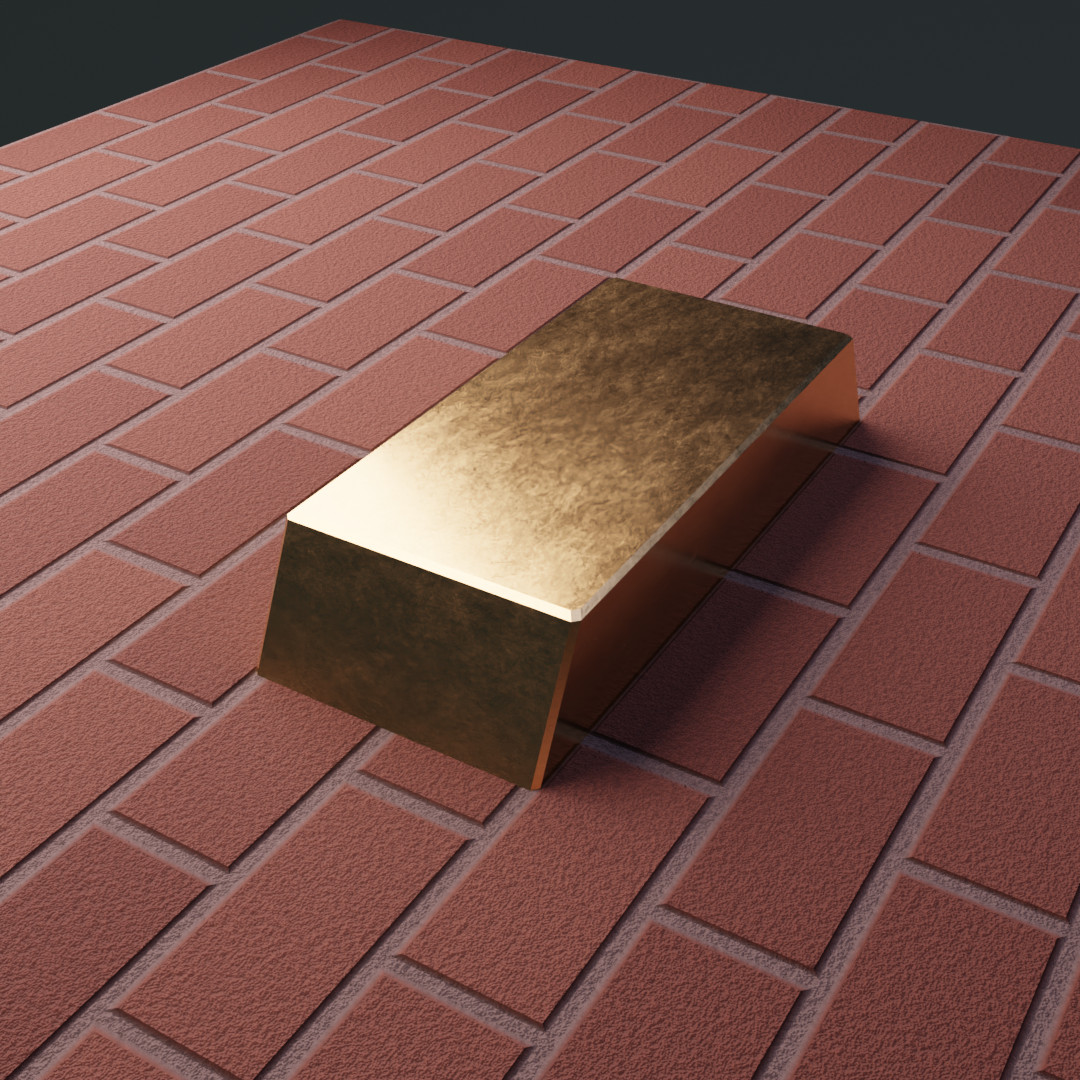
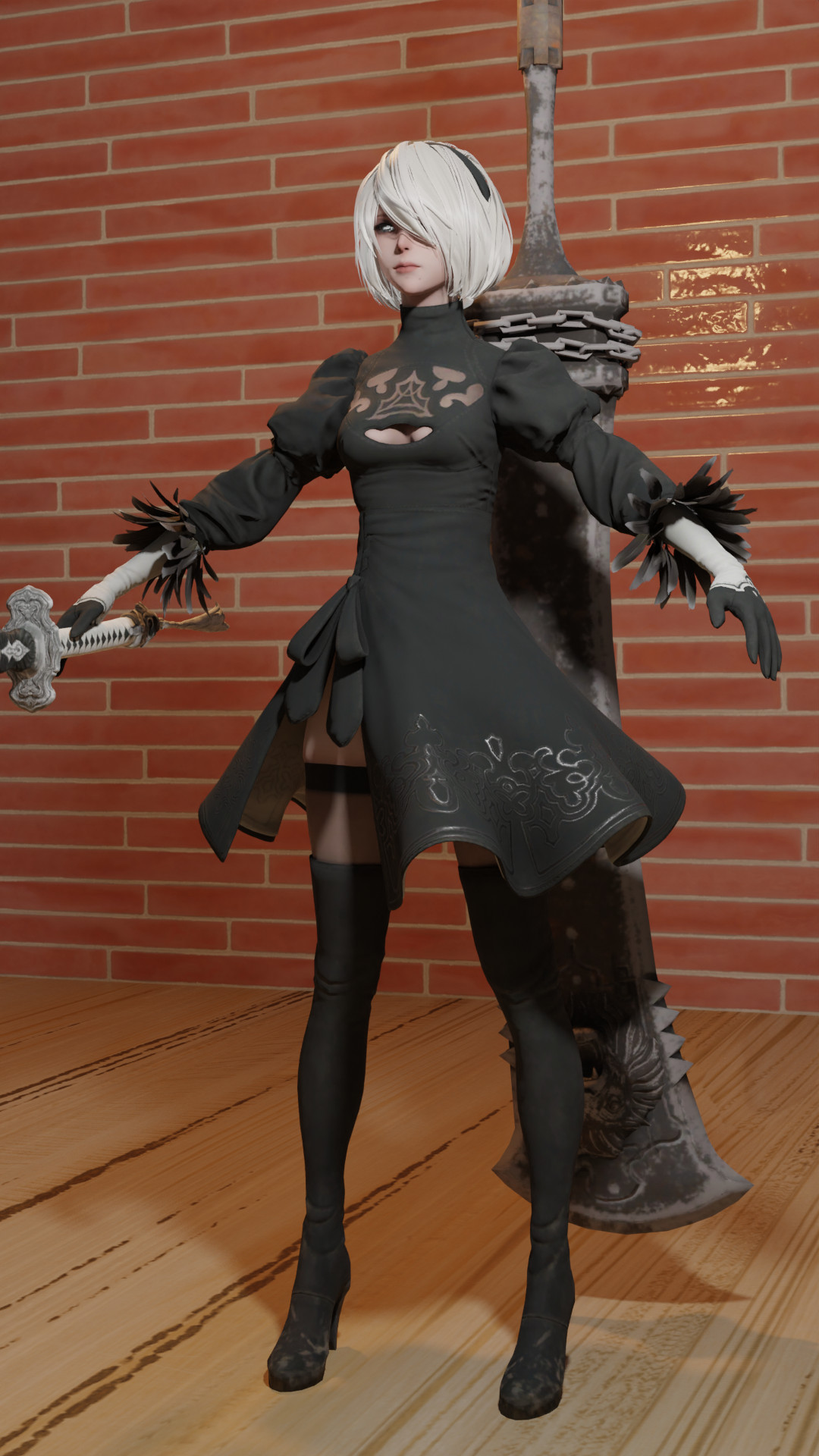
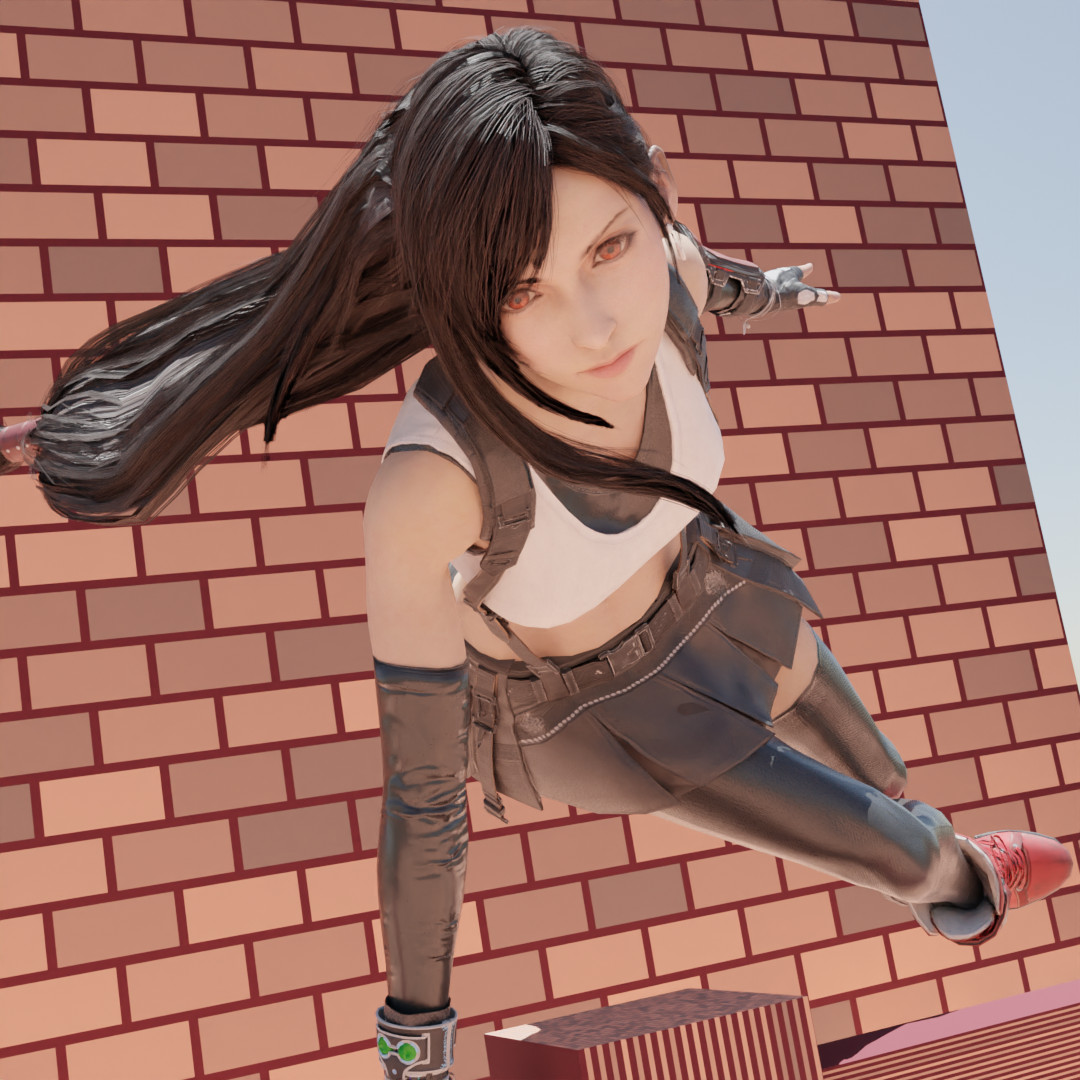
my actual practice these 2 weeks are these. I am convinced that I need to train my eyes see the behaviour of light, and since I have some medical condition that make it hard for me to go outside, I go for what I think is the second best option, 3D model.
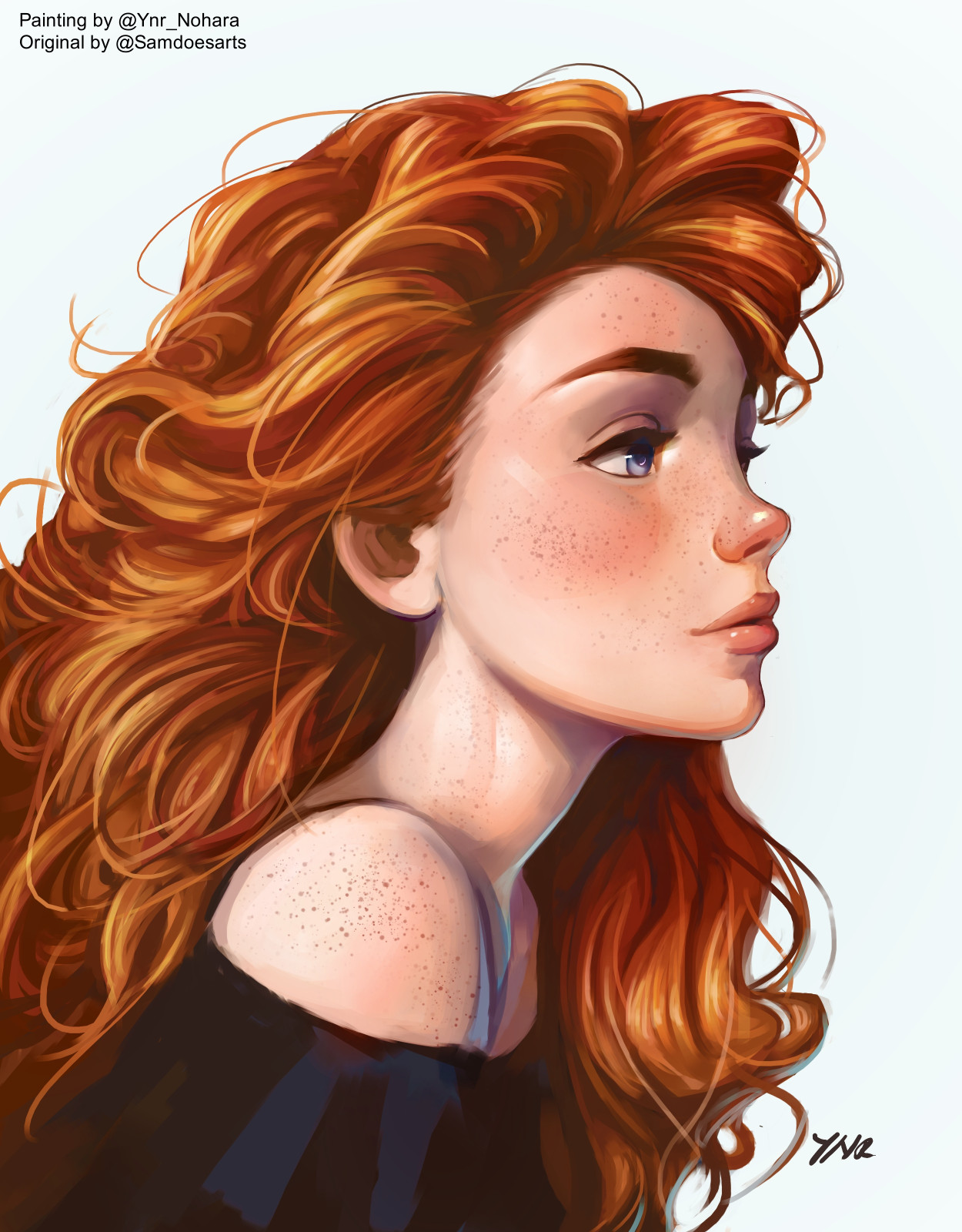
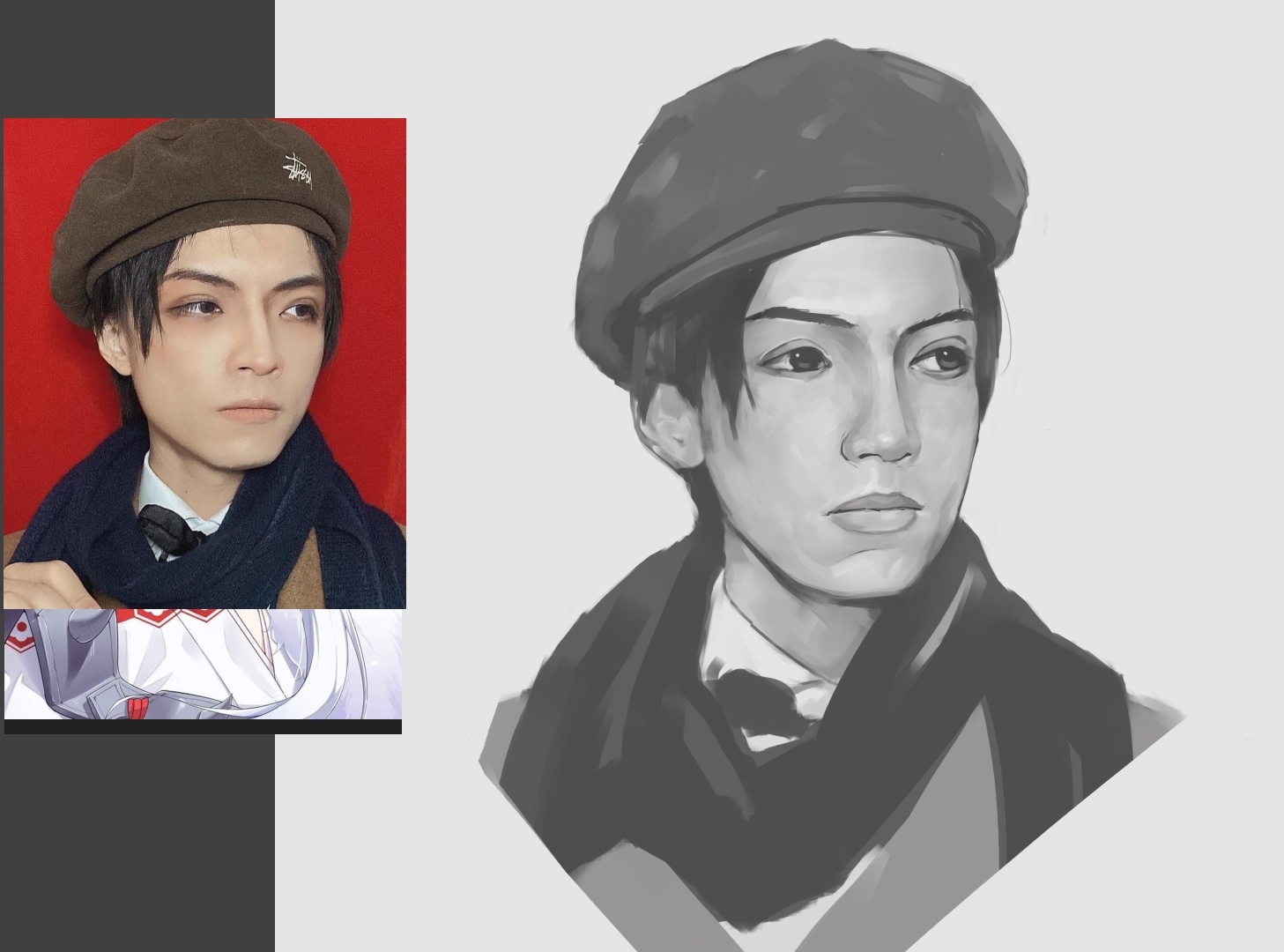
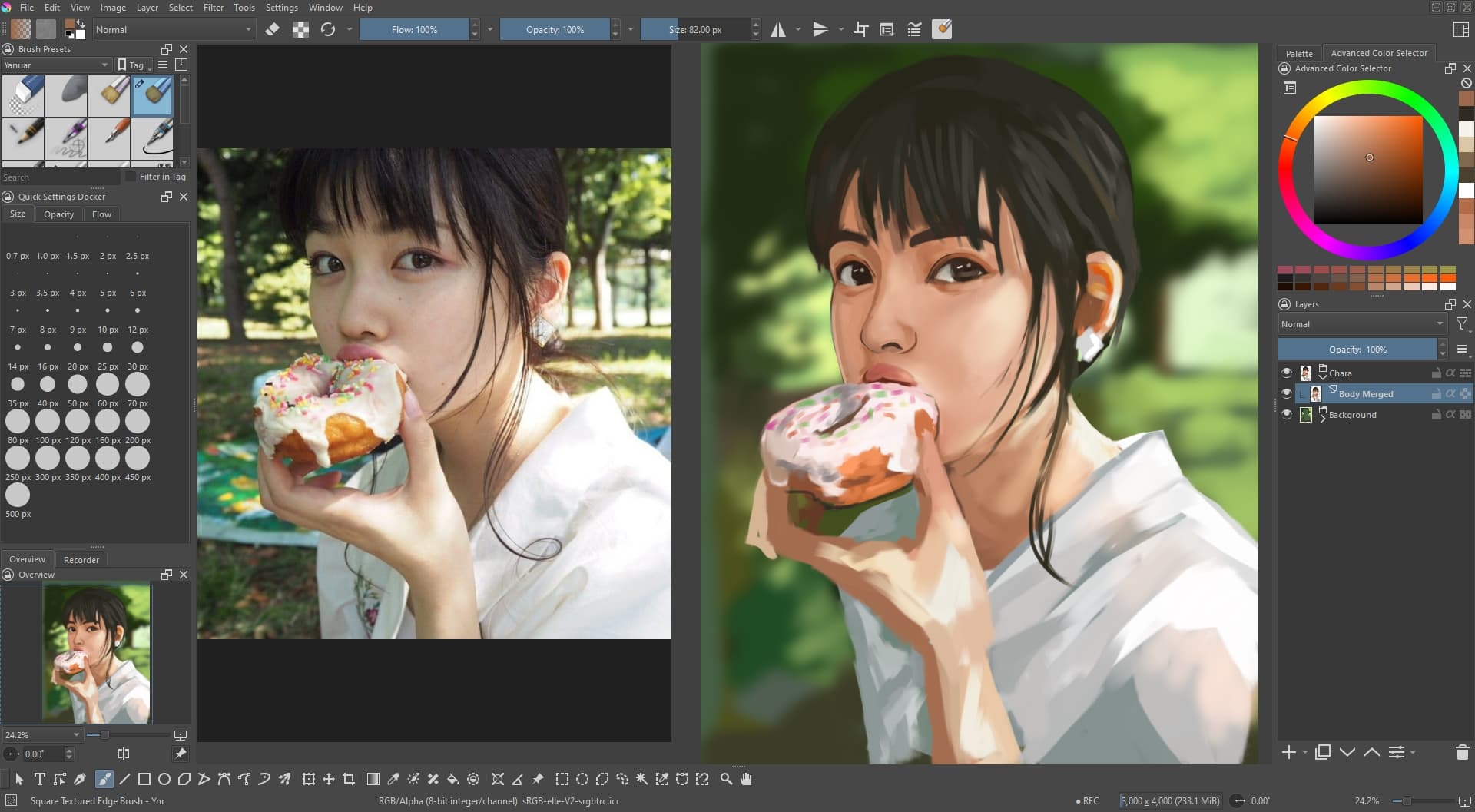
Getting faster at reading value and color, 1 hour 20 minutes of quick paint. If you want to train your eyes to quickly pick the major value and color that build the basic shapes of an object, trying doing reading practice (repainting a picture) without color picking. Do the color picking at the end to check and compare the result with the ref.
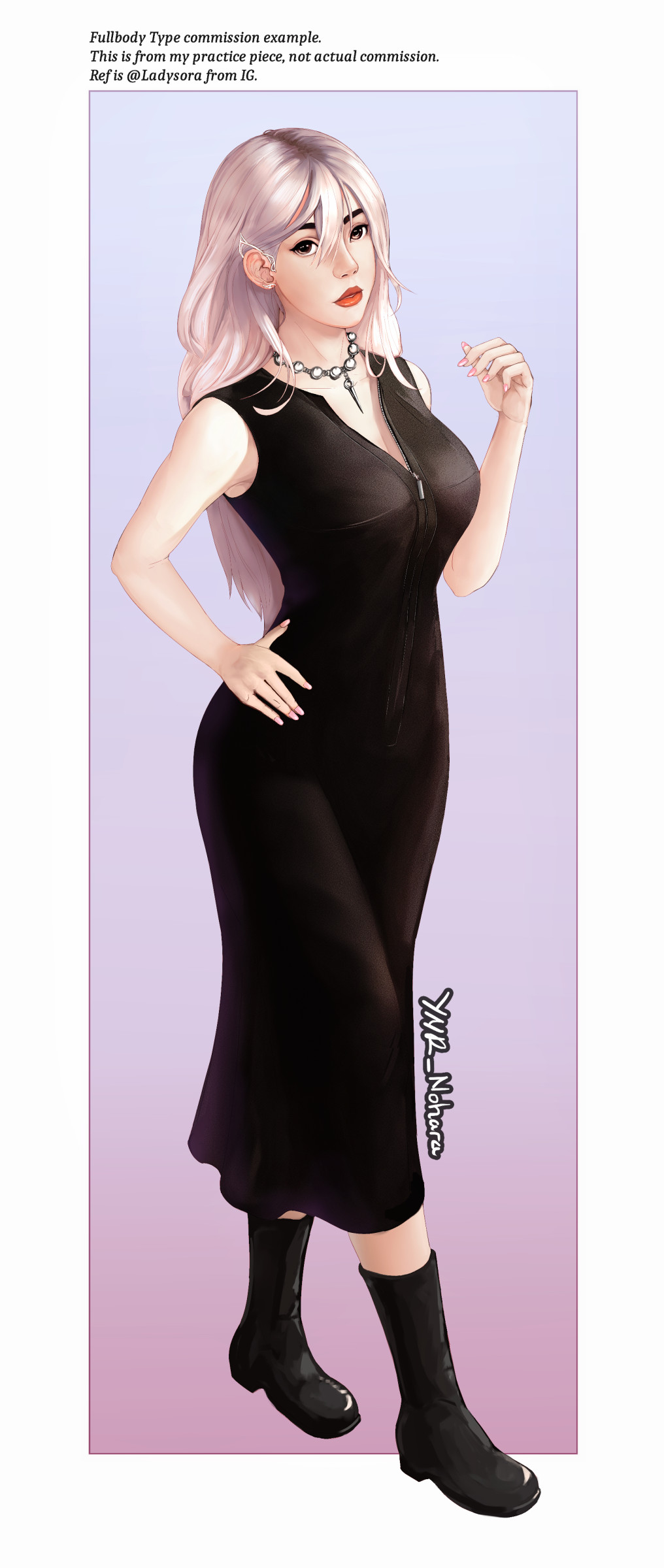
Haven’t post here in a while, got many work that is not related to drawing. Anyway here is my recent practice piece. I’m gonna try making some more for commission example while testing bunch of technique like always.
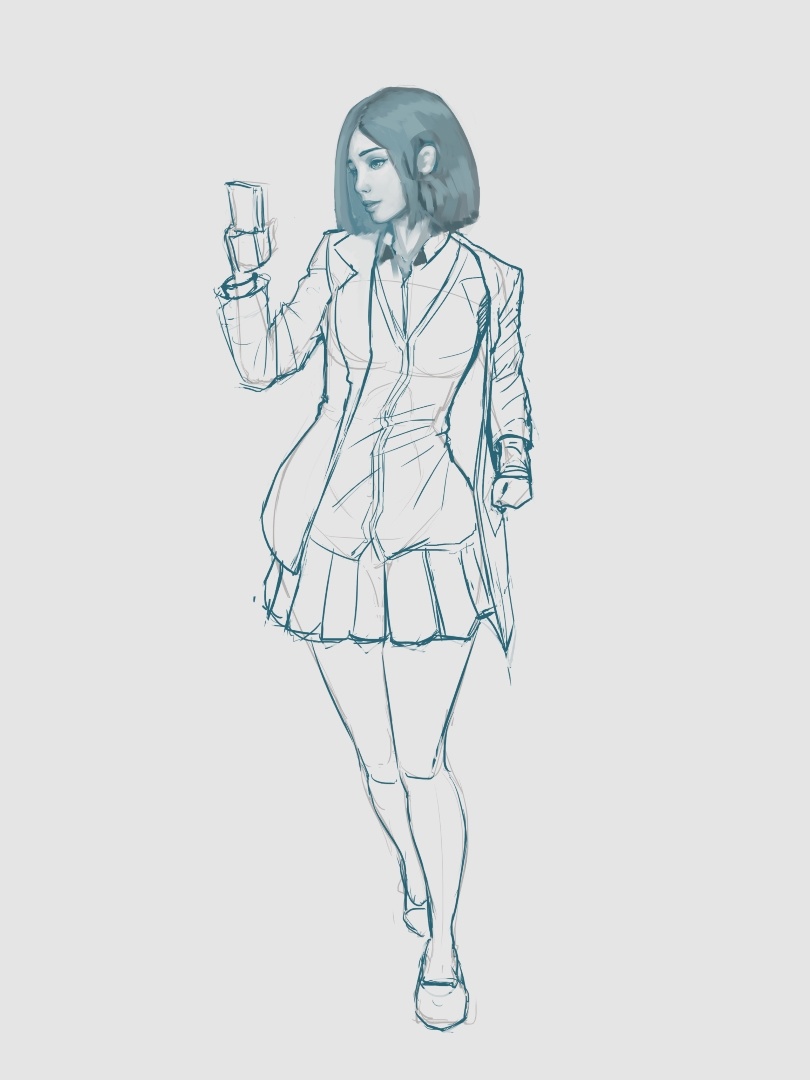
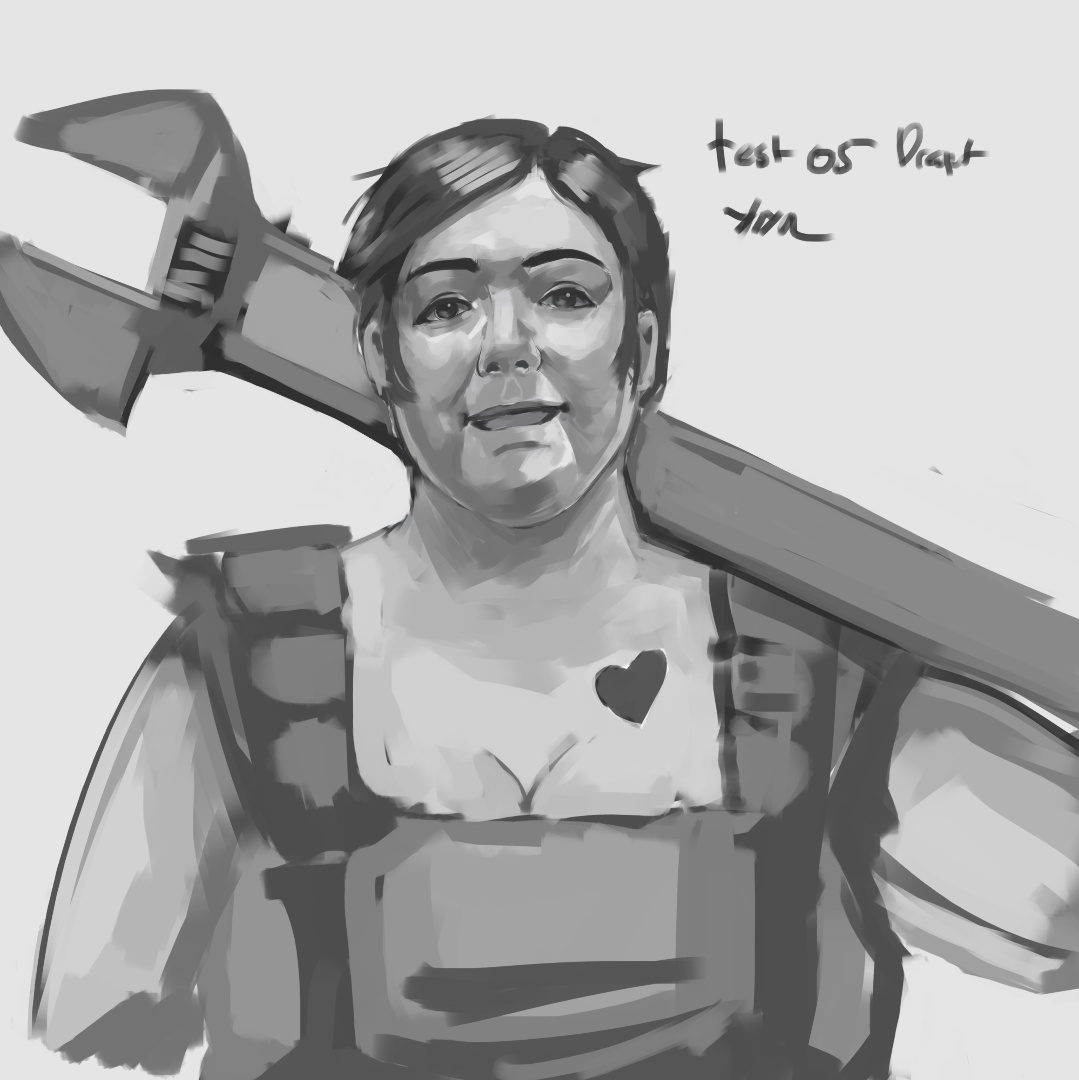
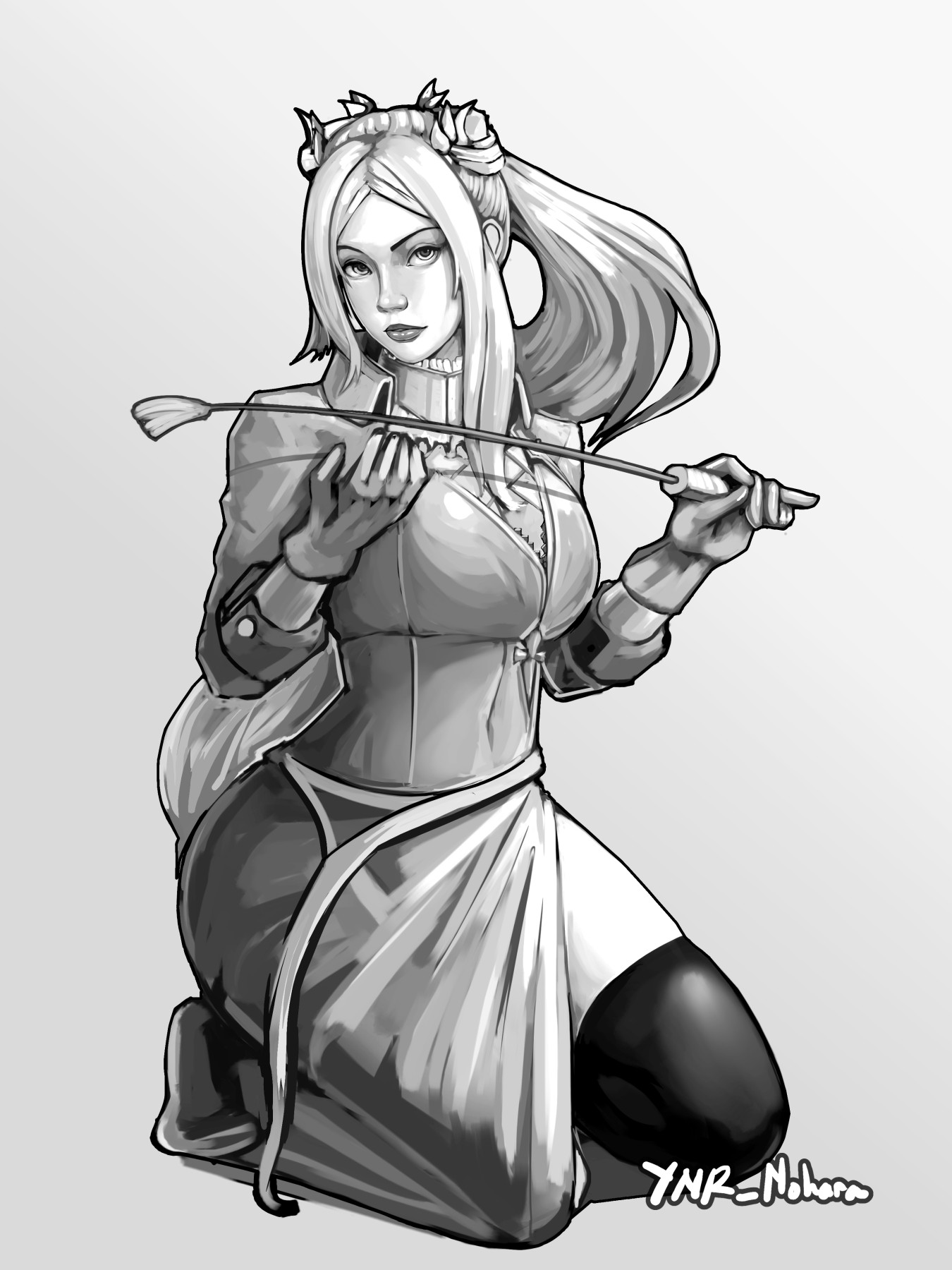
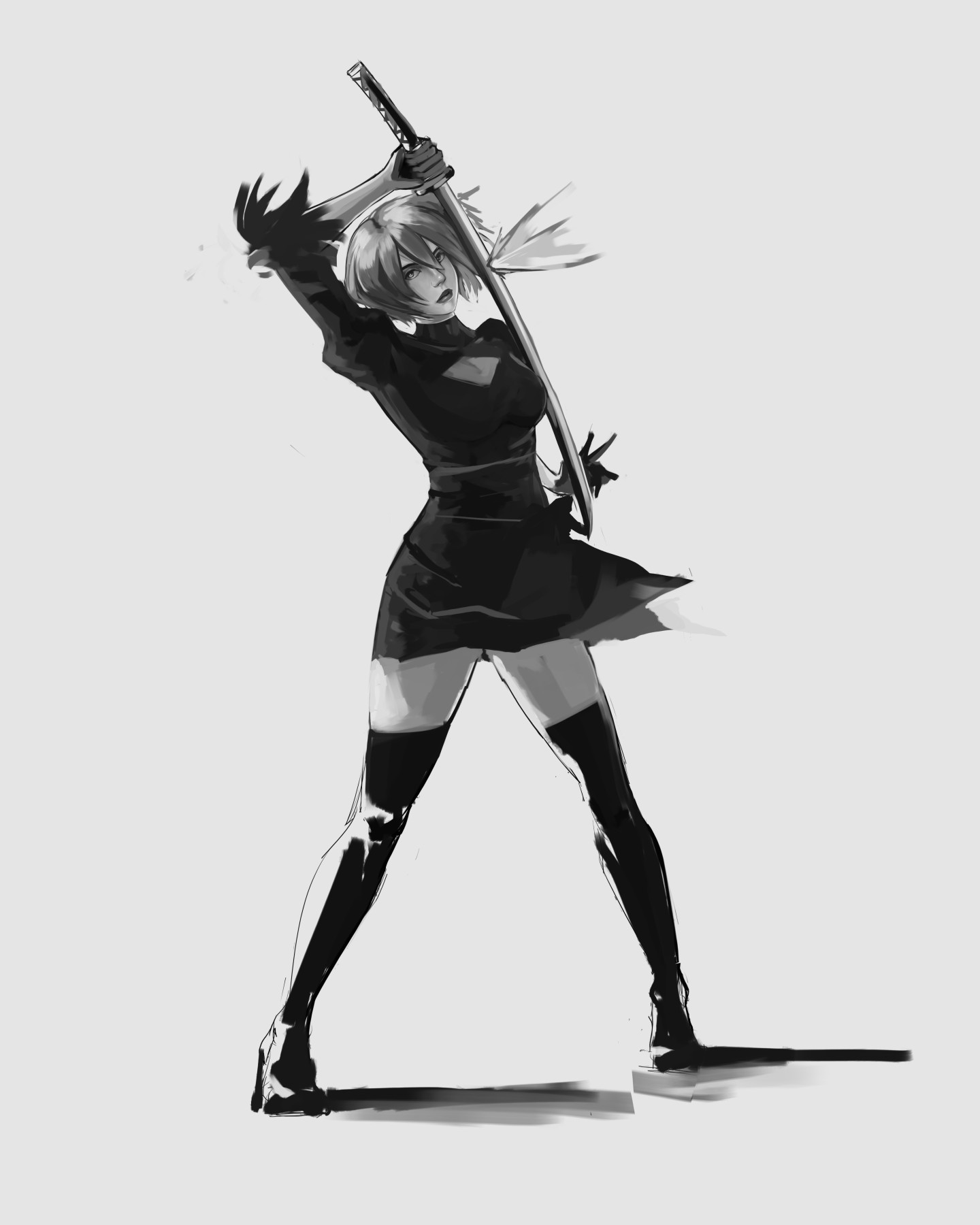
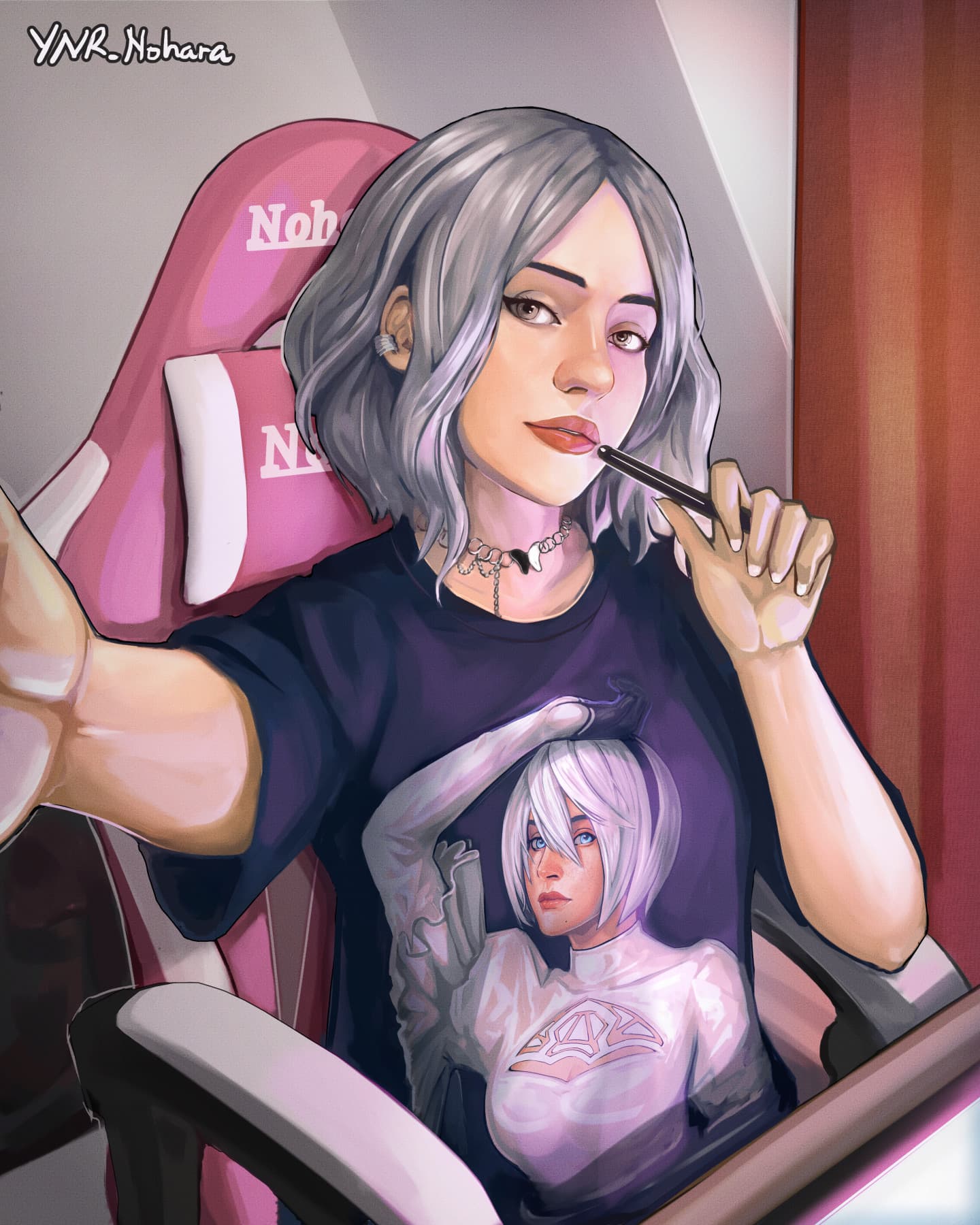
From recent practice, 5 hours sketch of YoRHa Commander, while listening to some vtuber apex competition.
I am at the point that I can somehow spot proportion mistakes, I think other than hands, my observation skill is decent enough. Also recently I tried to draw landscape, and I can copy existing picture just fine, but the moment I tried to put an extra object, the lighting do not match at all. Mine always looks weak (small value range)… anyway probably I will post some landscape painting in the future, but after it is okay-ish, or else there’s too many things to critique and I will learn nothing at all if I have to learn everything.
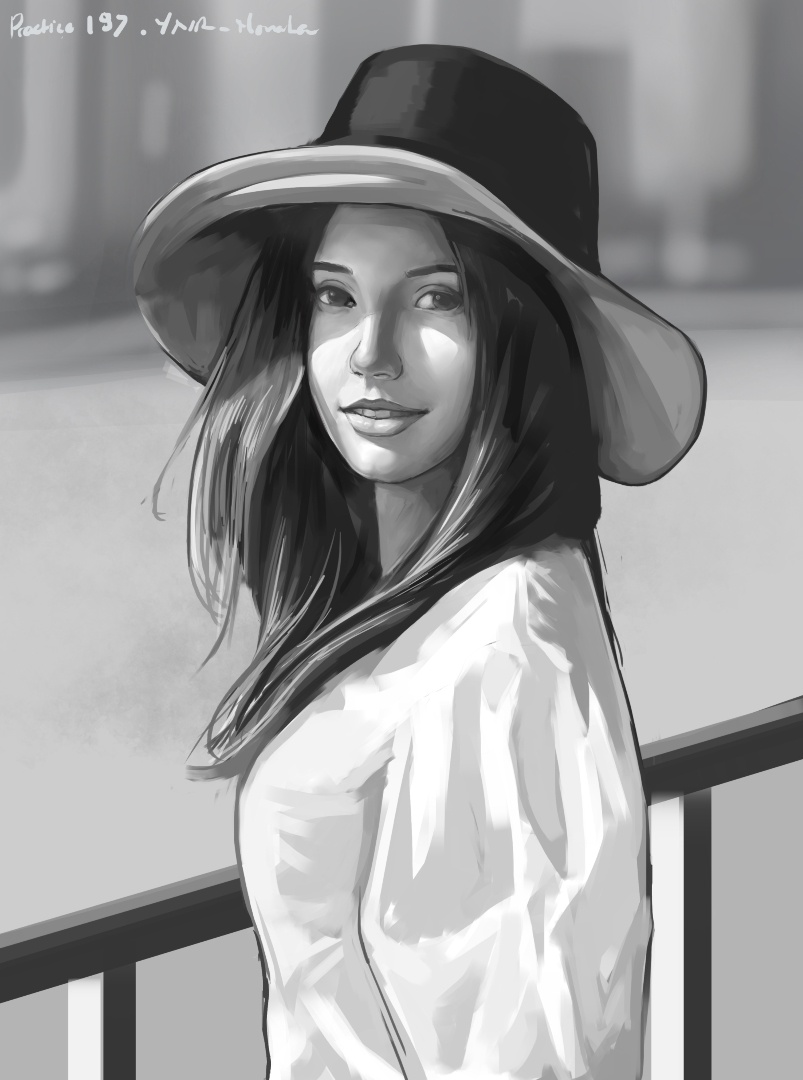
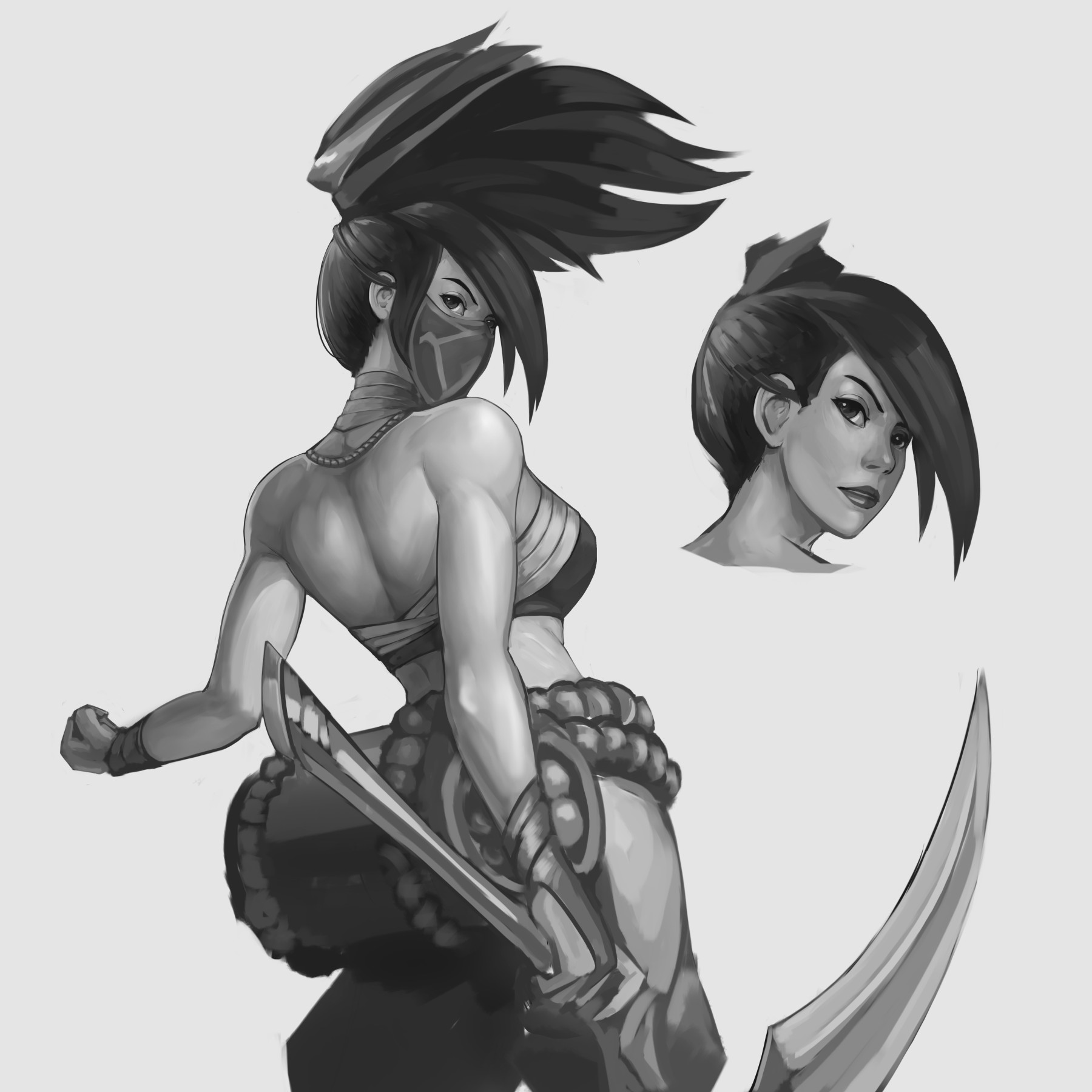
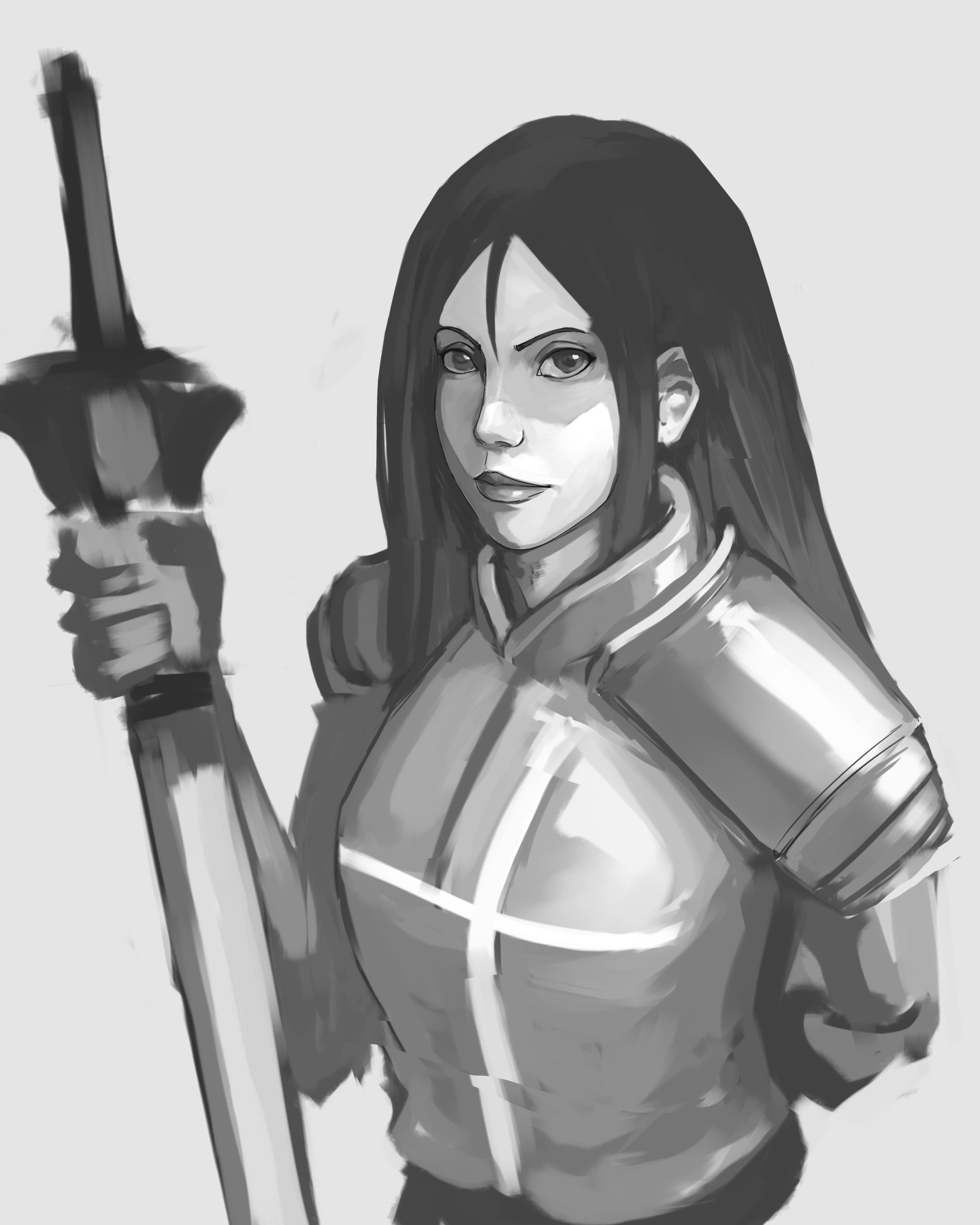
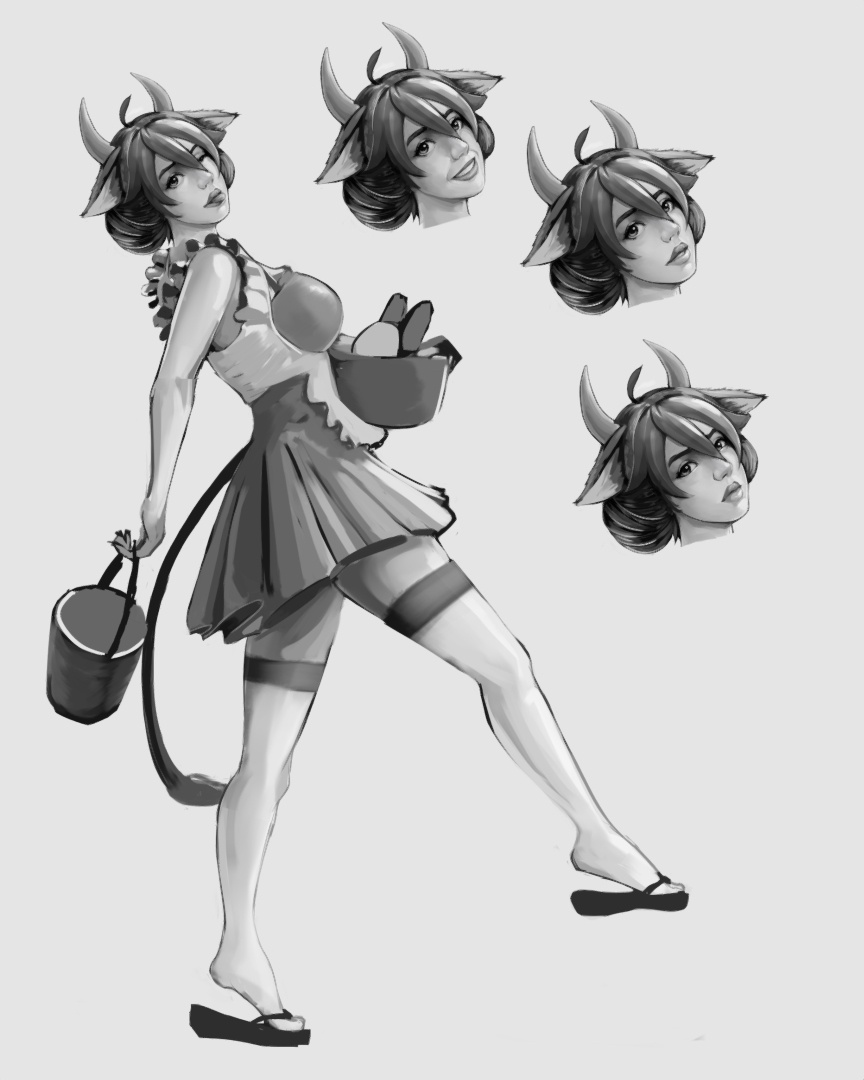
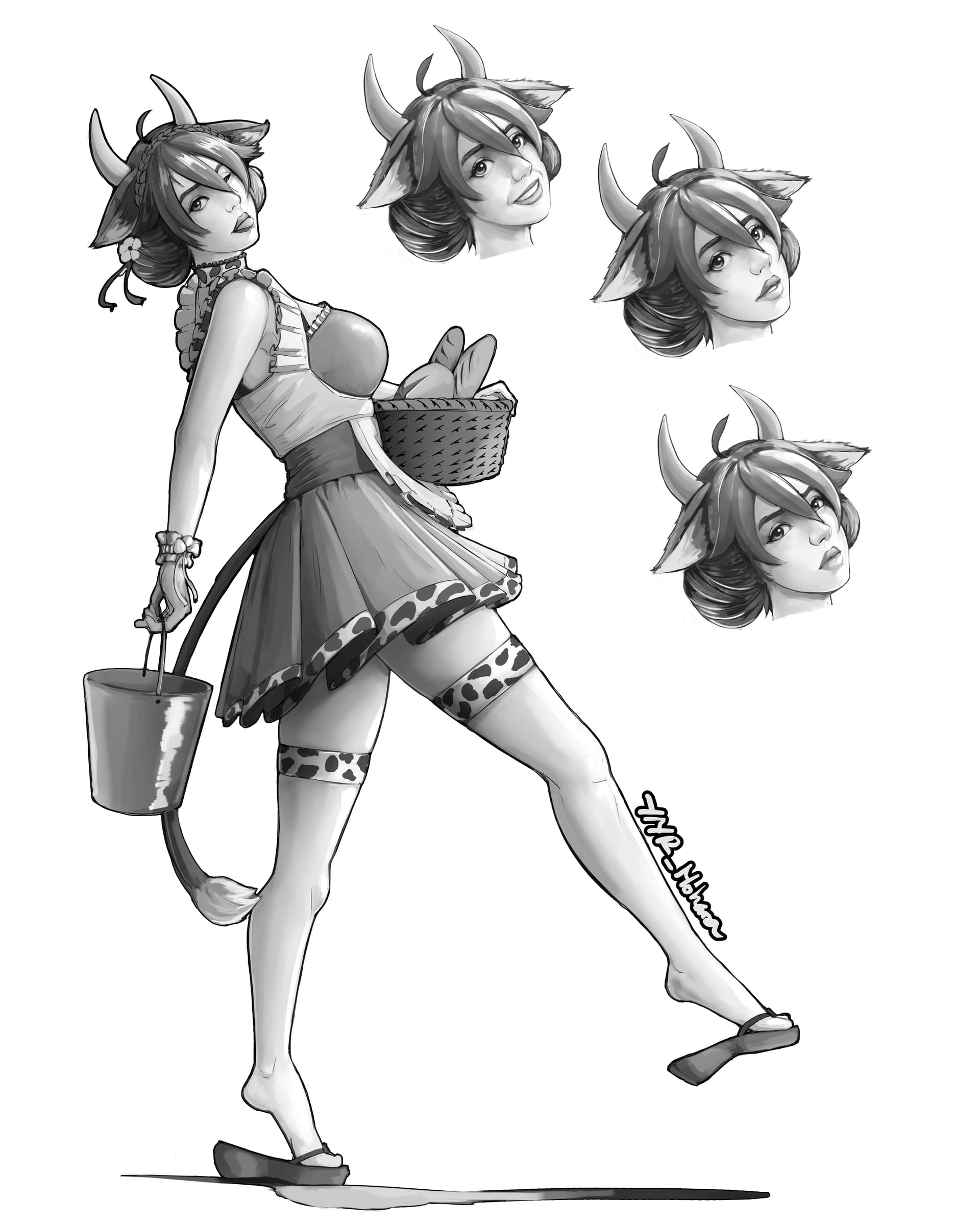
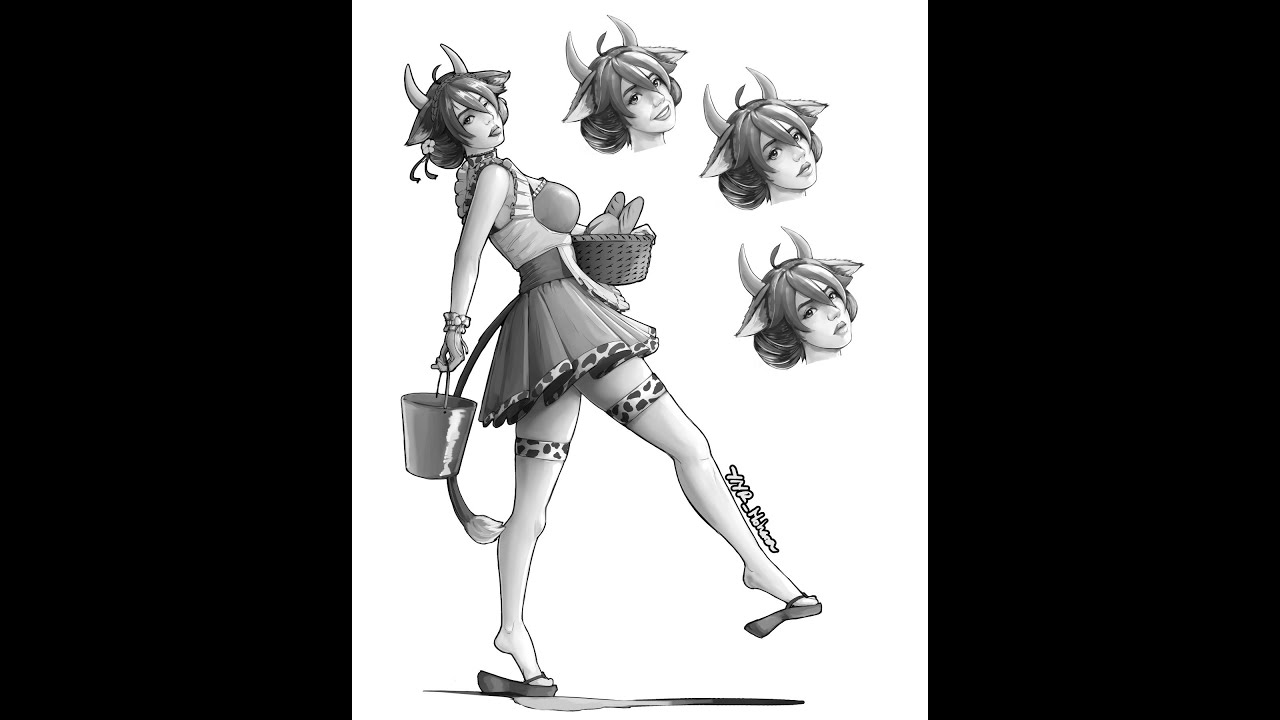
Finished greyscale piece and its timelapse. I am just gonna put this in my sketchbook, since this is more of process test than intended as an artwork. Well I think all of my piece here are study drawings .
So this is done in 5 hours. I’d say if I spent another 3 hours I can really clean it up but if I build this from scratch without main ref that I follow, those 8 hours would only result in me finishing the draft of the painting . Also I recently watch Peter Han’s stream, I think I really need to watch more pro stream it’s great to hear about their mindset when trying to solve drawing problem.
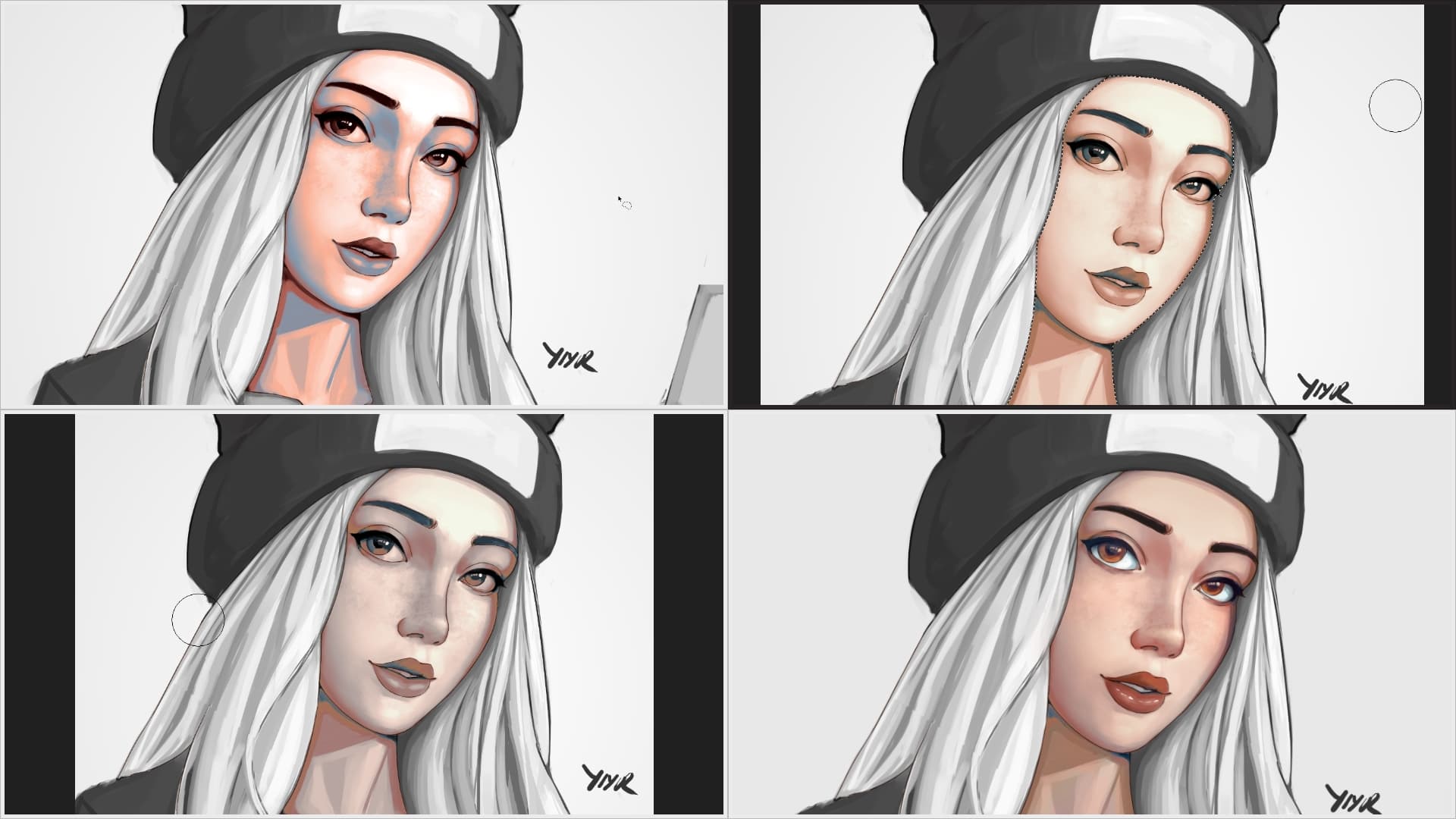
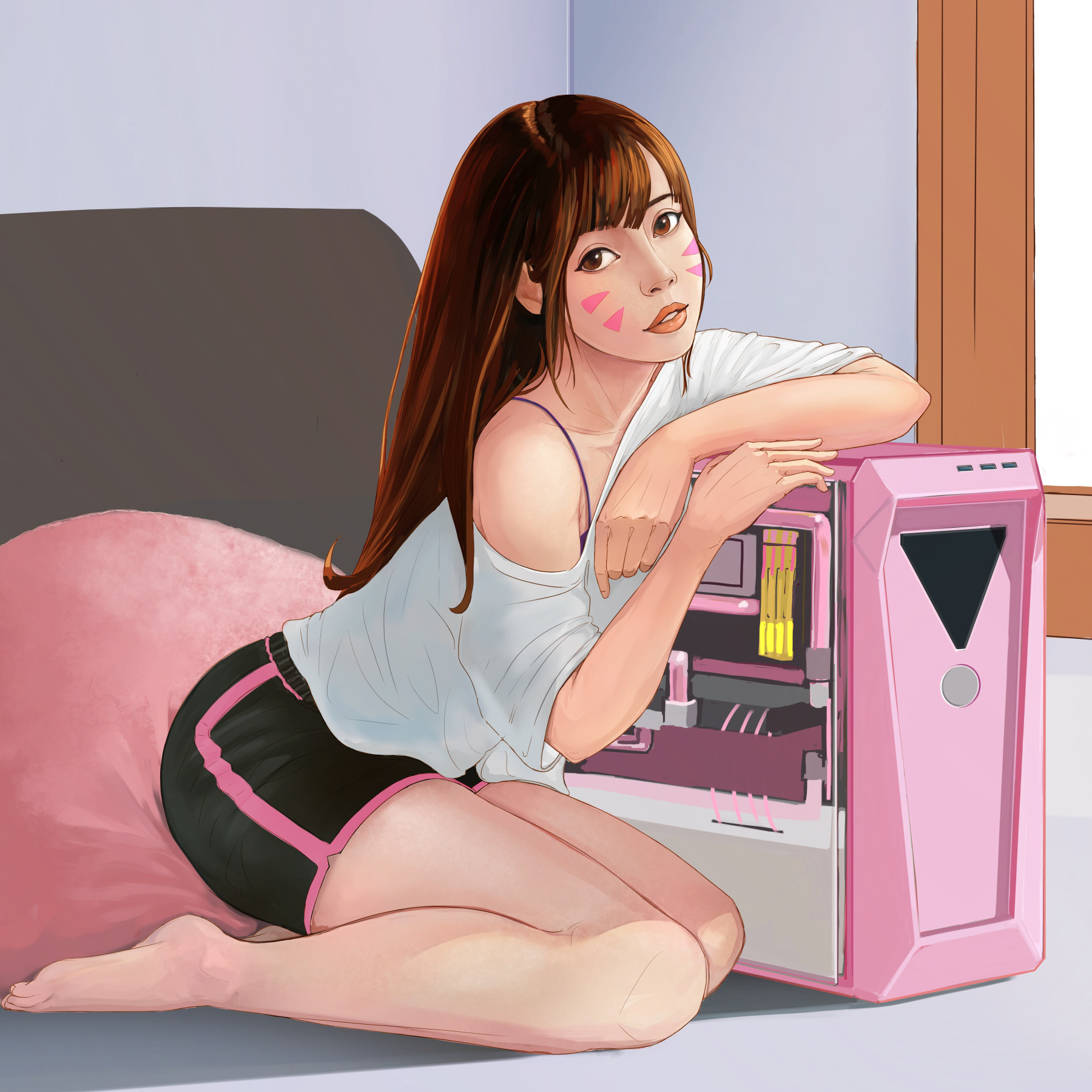
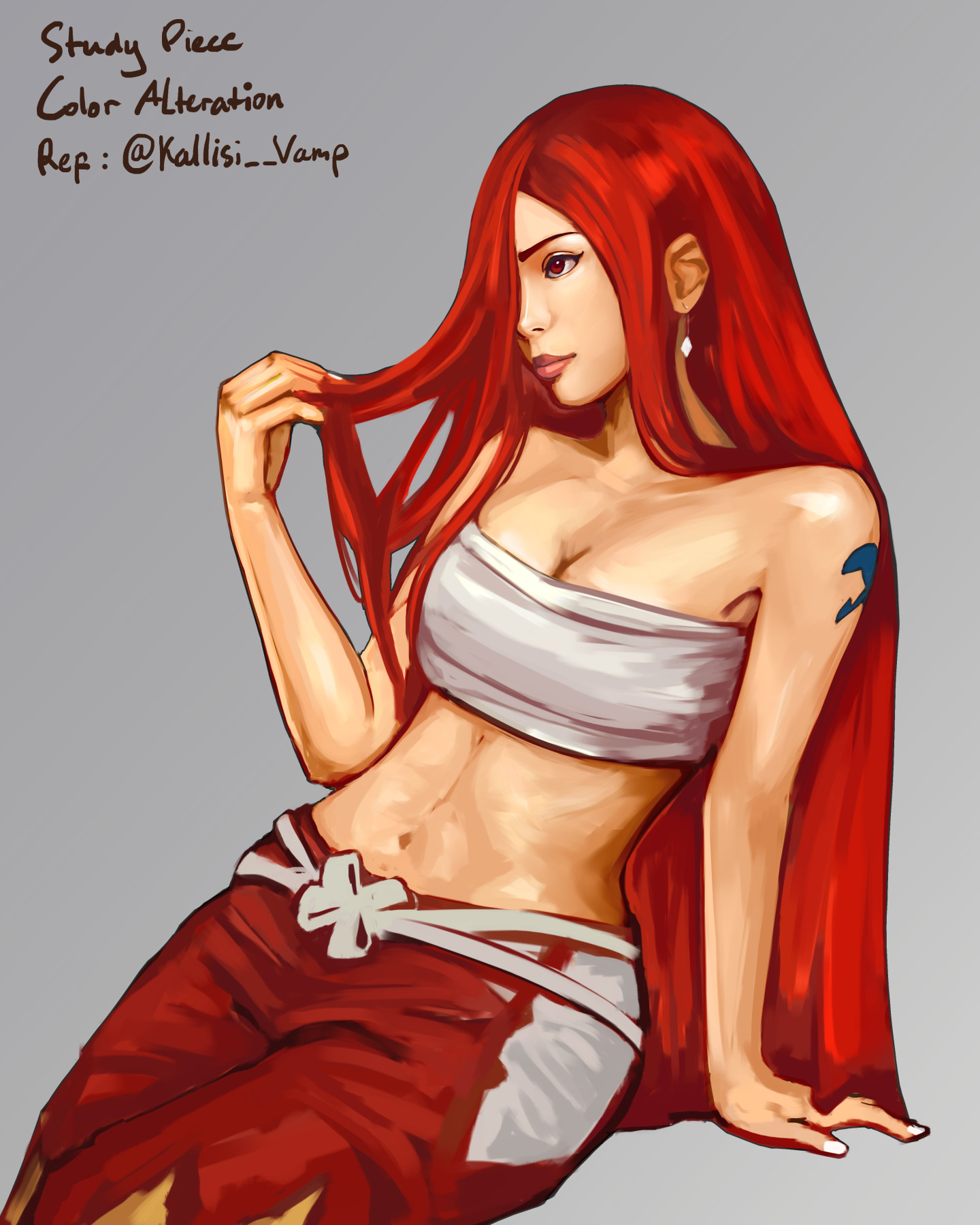
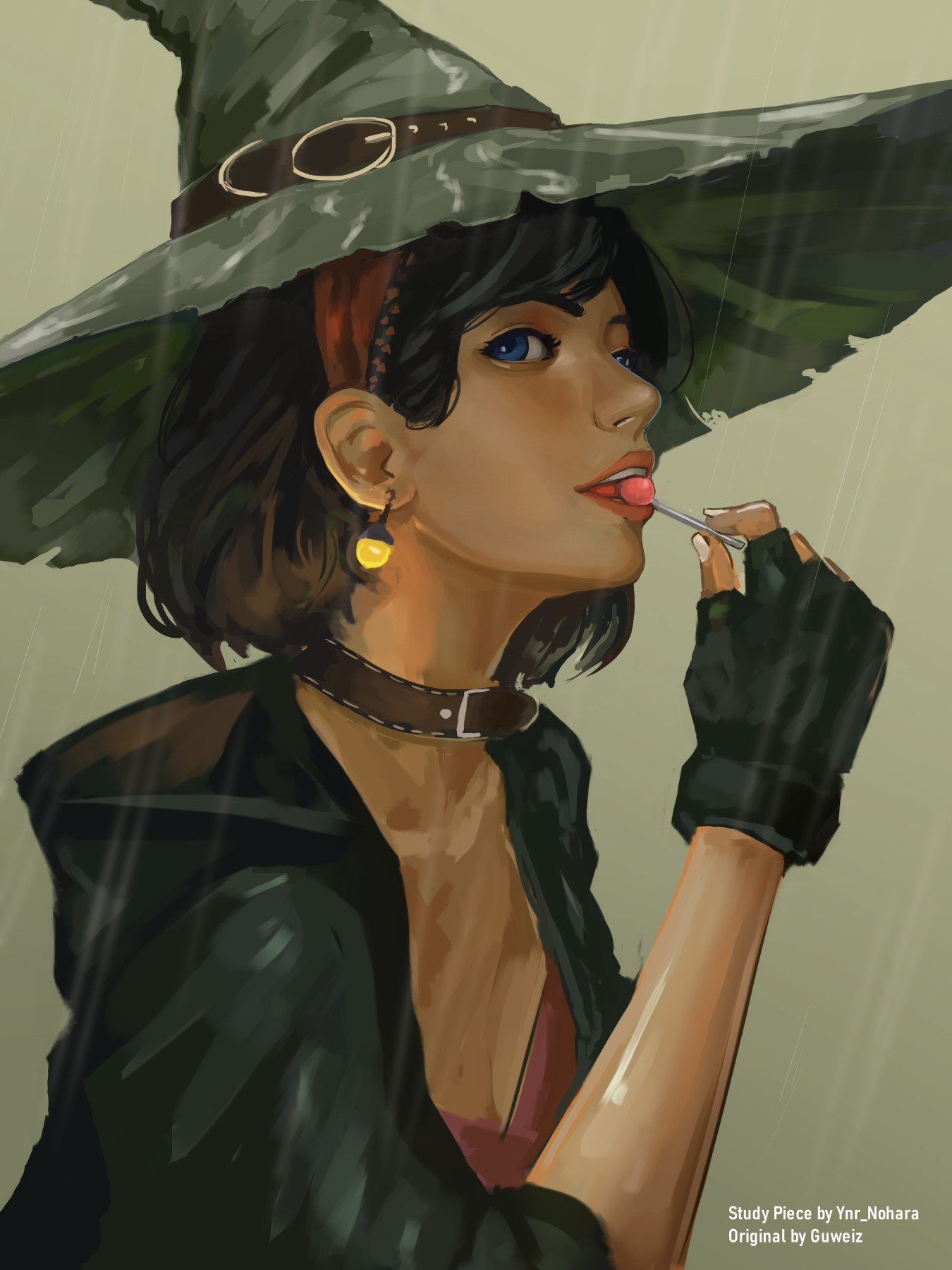
Color study, Original by Guweiz. Found a higher res copy of Guweiz artwork on reddit, it is big enough to see the brush stroke. So I decide to do color study with it.

 . I just don’t have the skill to impress myself yet. Maybe in the future I will.